Science
Discover facts about science. Small discoveries that change the way you see familiar things.
Science
Quantum computers are not just faster versions of your laptop; they are more like fragile alien instruments that barely agree to work in our universe.
Quantum computers are not just faster versions of your laptop; they are more like fragile alien instruments that barely agree to work in our universe. A qubit…
Discover more
Ground under your feet is slowly rafting you toward a future where continents will crash together again, raising new mountains over the buried bones of current cities.
Ground under your feet is slowly rafting you toward a future where continents will crash together again, raising new mountains over the buried bones of…
Discover more
Earth’s climate isn’t a smooth thermostat you can nudge up and down; it’s a system full of traps and cliffs, and we’re walking toward several at once.
Earth’s climate isn’t a smooth thermostat you can nudge up and down; it’s a system full of traps and cliffs, and we’re walking toward several at once. Think…
Discover more
Artificial intelligence is not just writing essays; it is helping invent substances that have never existed before.
Artificial intelligence is not just writing essays; it is helping invent substances that have never existed before. A model can sift through possible atomic…
Discover more
Quantum experiments can hide a pattern inside apparently random dots.
Quantum experiments can hide a pattern inside apparently random dots. In quantum-eraser experiments, a detector's full record does not simply show an…
Discover more
A telescope sitting a million miles from Earth is quietly breaking the story of how the universe built itself.
A telescope sitting a million miles from Earth is quietly breaking the story of how the universe built itself. Webb collects light that has traveled across…
Discover more STACKY FOR IPHONE
A bigger world.
One discovery
at a time.
Keep discovering with Stacky. Interesting facts in an app that is always within reach.

Entangled particles beat the limits of ordinary coincidence.
Entangled particles beat the limits of ordinary coincidence. Experiments find correlations stronger than particles carrying separate, prewritten answers could…
Discover more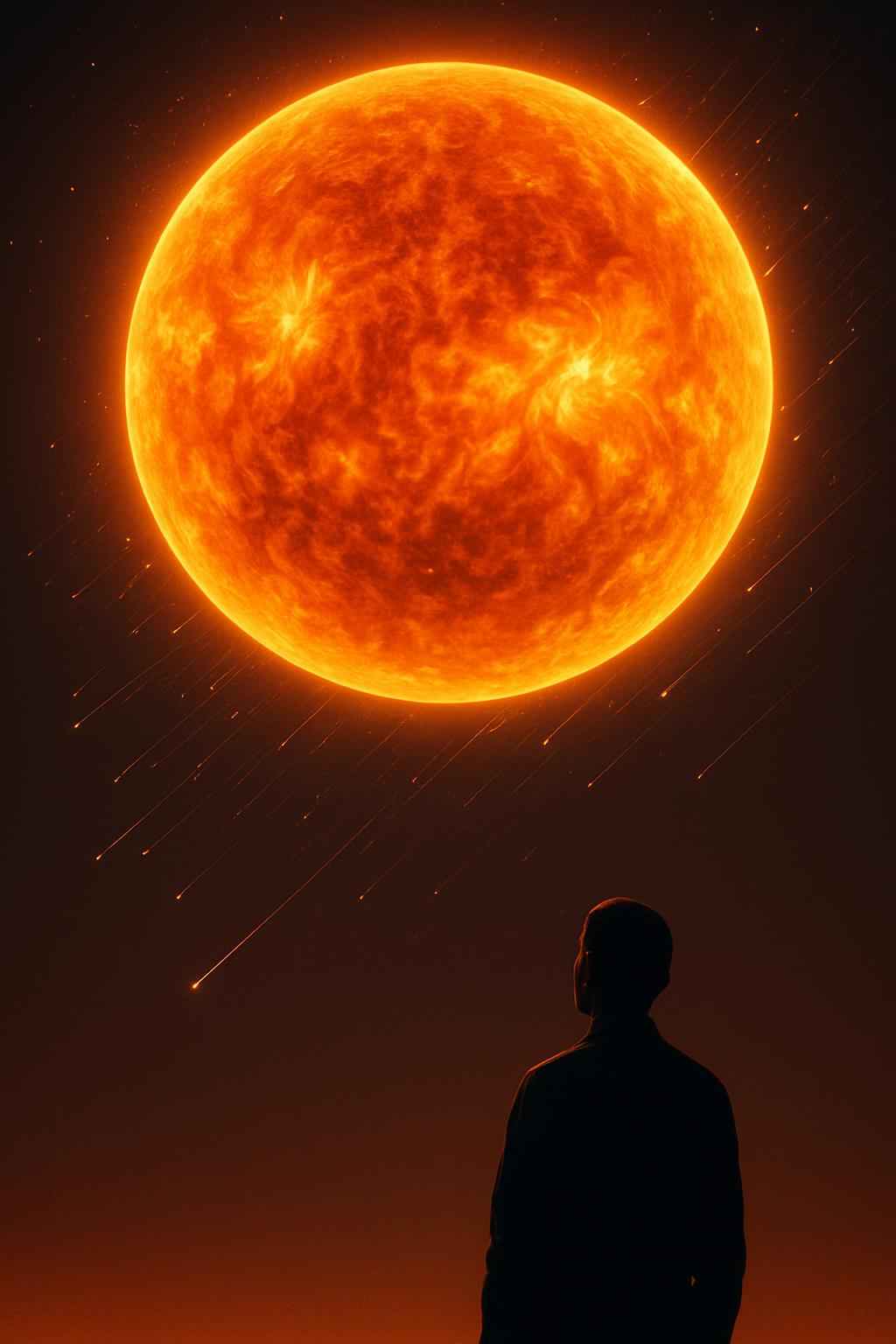
Every second, the Sun converts 600 million tons of hydrogen into light—some photons older than your grandparents before they escape its core.
Every second, the Sun converts 600 million tons of hydrogen into light—some photons older than your grandparents before they escape its core. Light keeps…
Discover more
Imagine a particle so anti-famous it only interacts through gravity—dark matter, the ghost scaffold holding galaxies together.
Imagine a particle so anti-famous it only interacts through gravity—dark matter, the ghost scaffold holding galaxies together. Its gravity helps explain how…
Discover more
Somewhere beyond our telescopes, a rogue planet drifts without a sun, warmed only by leftover creation heat.
Somewhere beyond our telescopes, a rogue planet drifts without a sun, warmed only by leftover creation heat. A planet can be too dim to spot, but its gravity…
Discover more
Neurons fire in billions of tiny storms, yet one question now electrifies researchers: can curiosity itself reshape the brain’s architecture?
Neurons fire in billions of tiny storms, yet one question now electrifies researchers: can curiosity itself reshape the brain’s architecture? Recent imaging…
Discover more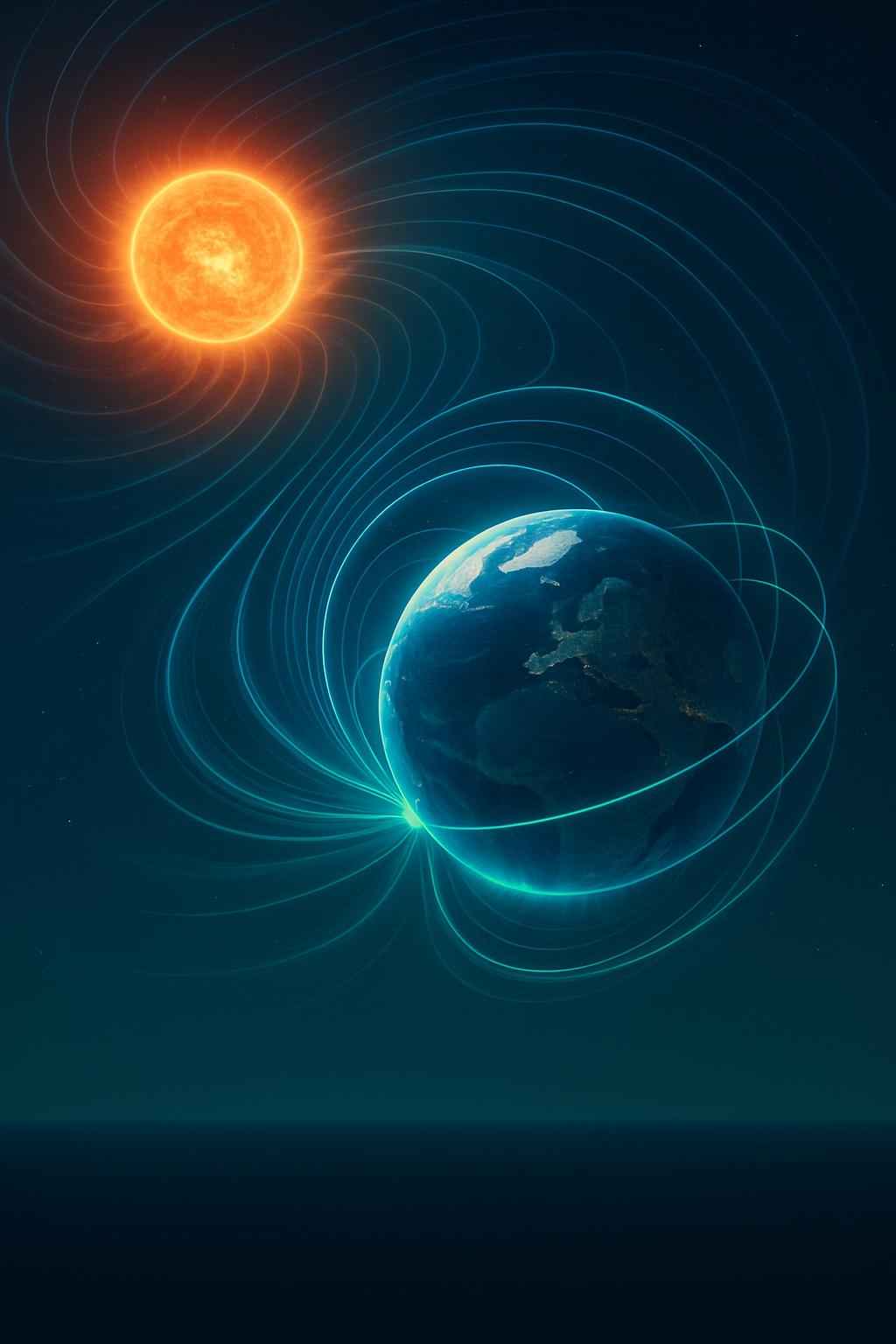
Every minute, Earth’s magnetic field ripples as charged particles from the Sun slam into it—creating auroras we barely glimpse.
Every minute, Earth’s magnetic field ripples as charged particles from the Sun slam into it—creating auroras we barely glimpse. The ripples travel through…
Discover more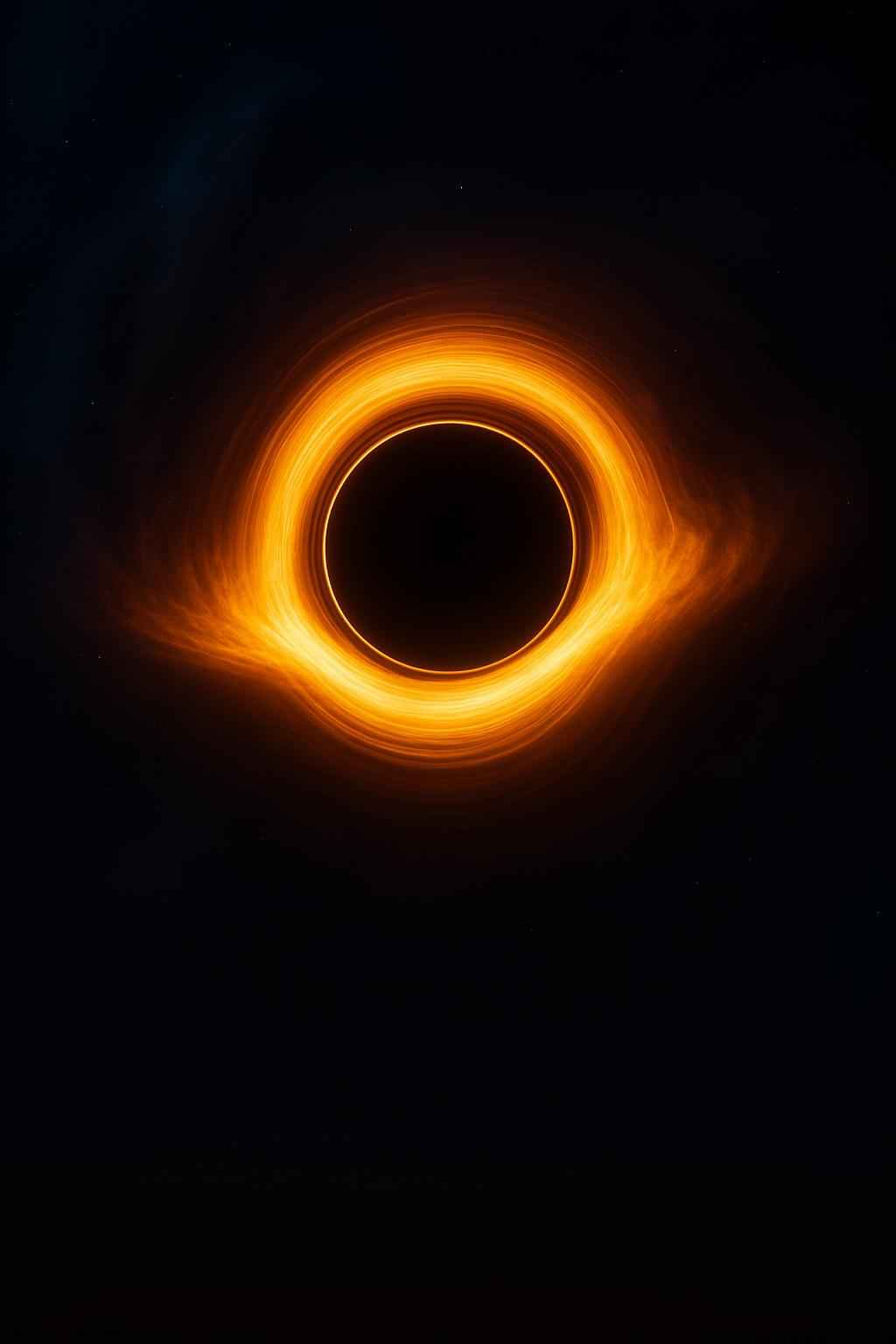
Imagine a sphere of darkness so dense that time loops around it — not in theory but in orbit, a black hole devouring its own reflection.
Imagine a sphere of darkness so dense that time loops around it — not in theory but in orbit, a black hole devouring its own reflection. A black hole can bend…
Discover more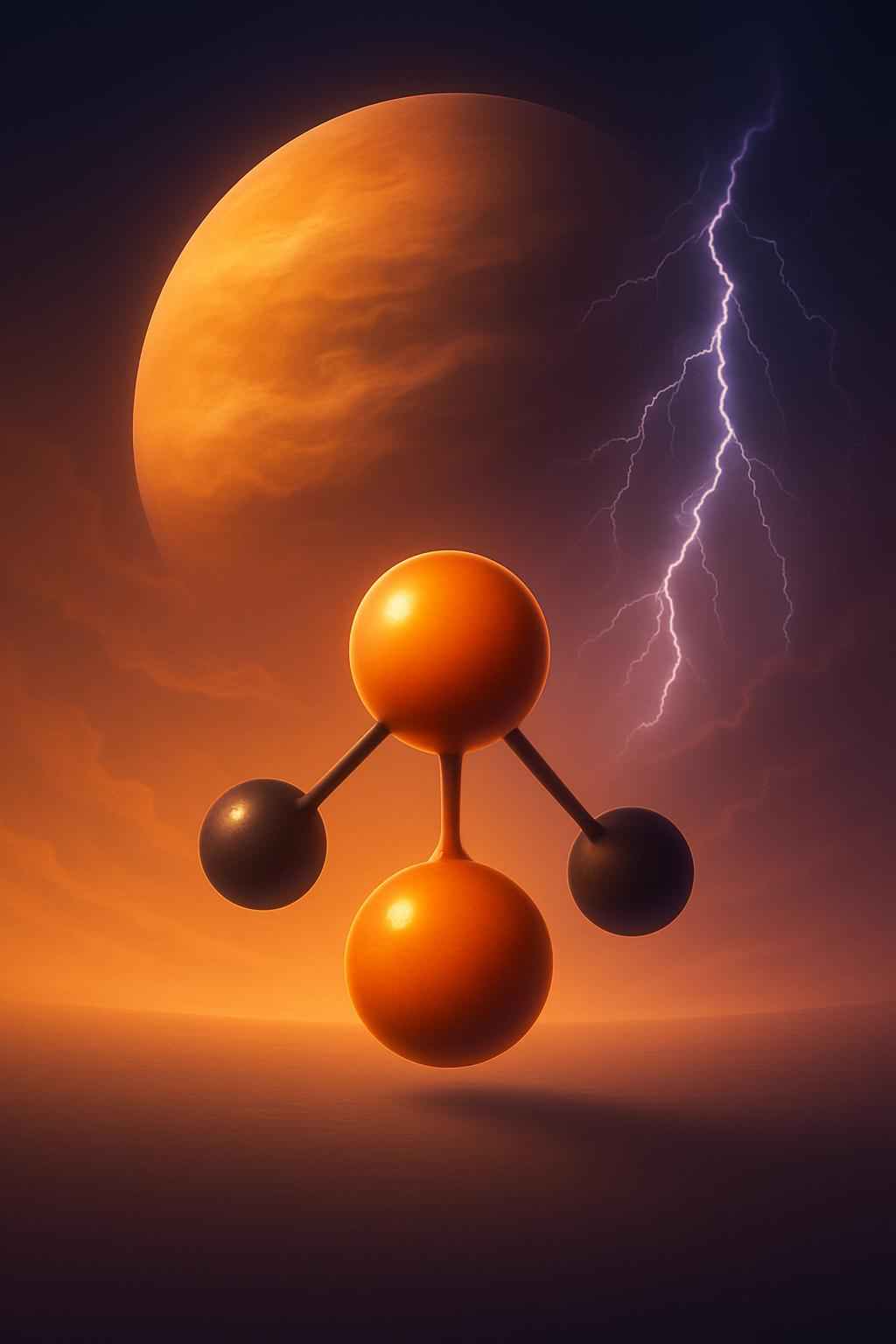
Imagine a molecule called phosphine — a pungent gas our planet knows mainly from decaying matter.
Imagine a molecule called phosphine — a pungent gas our planet knows mainly from decaying matter. The exciting question is what made the signal, not just what…
Discover more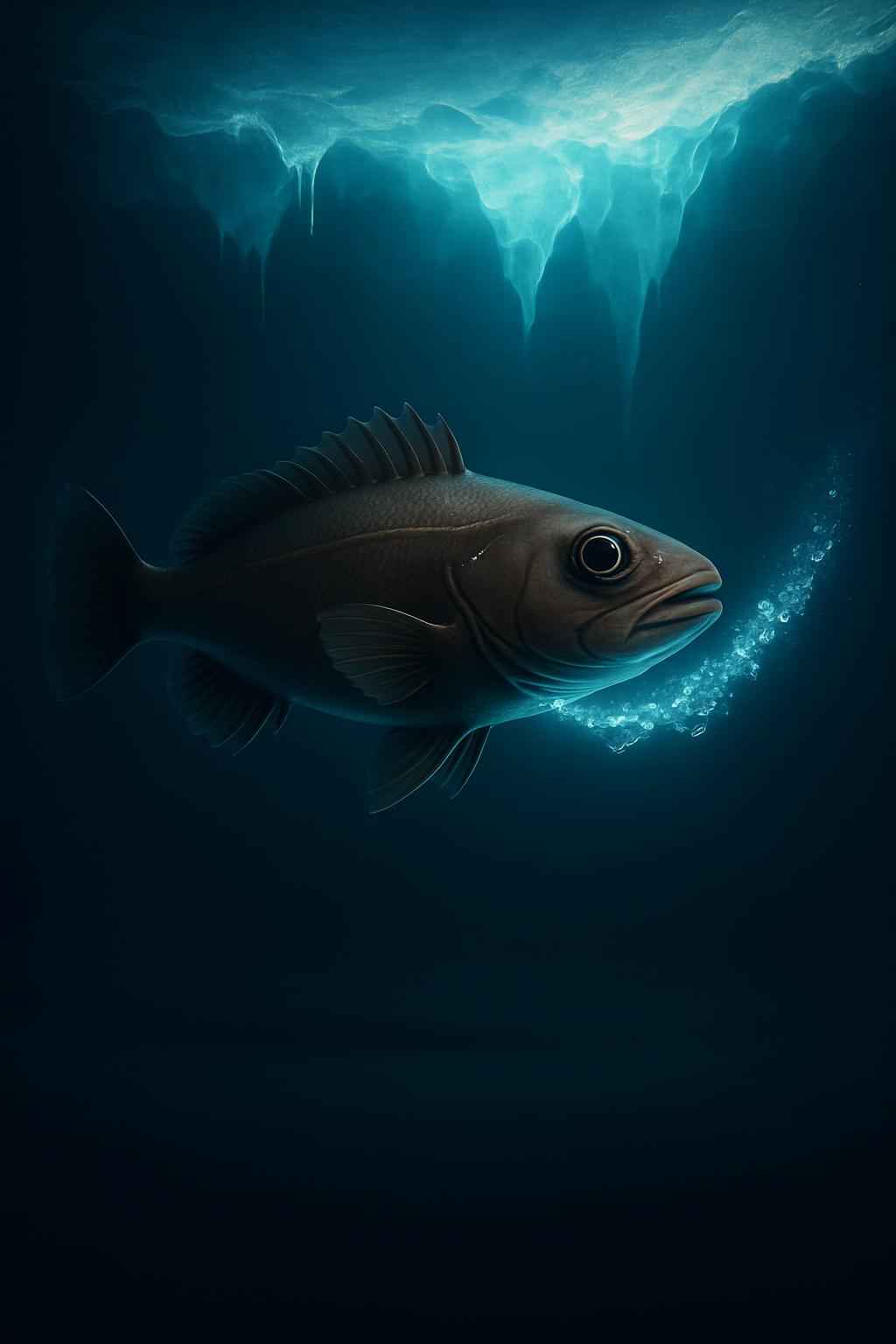
Deep in Antarctica’s frozen seas, scientists found fish that never freeze—blood thick with antifreeze proteins.
Deep in Antarctica’s frozen seas, scientists found fish that never freeze—blood thick with antifreeze proteins. The proteins cling to the first tiny ice…
Discover more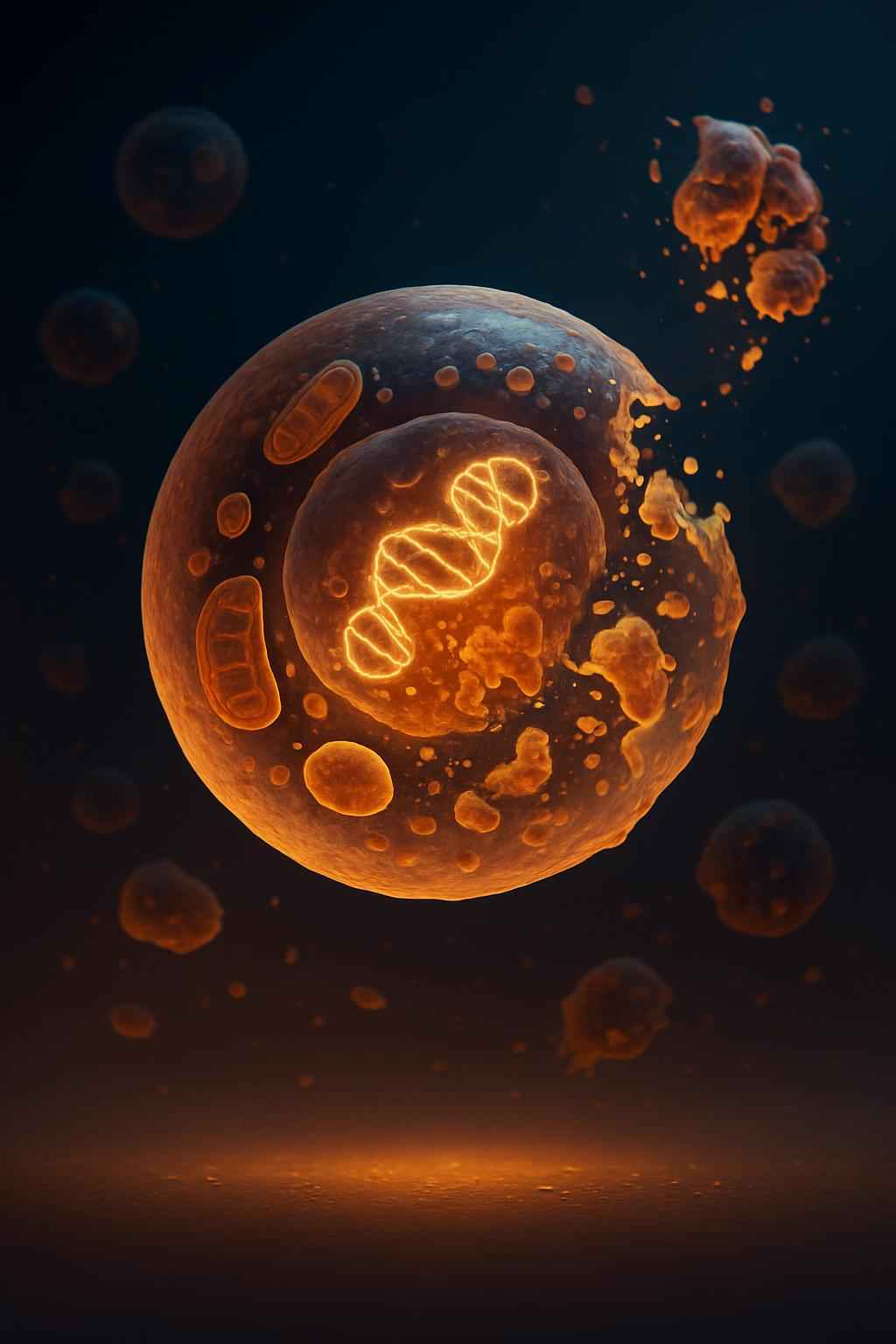
Inside your cells hums an ancient suicide plan called apoptosis — programmed cell death.
Inside your cells hums an ancient suicide plan called apoptosis — programmed cell death. When it begins, enzymes take the cell apart into pieces that…
Discover more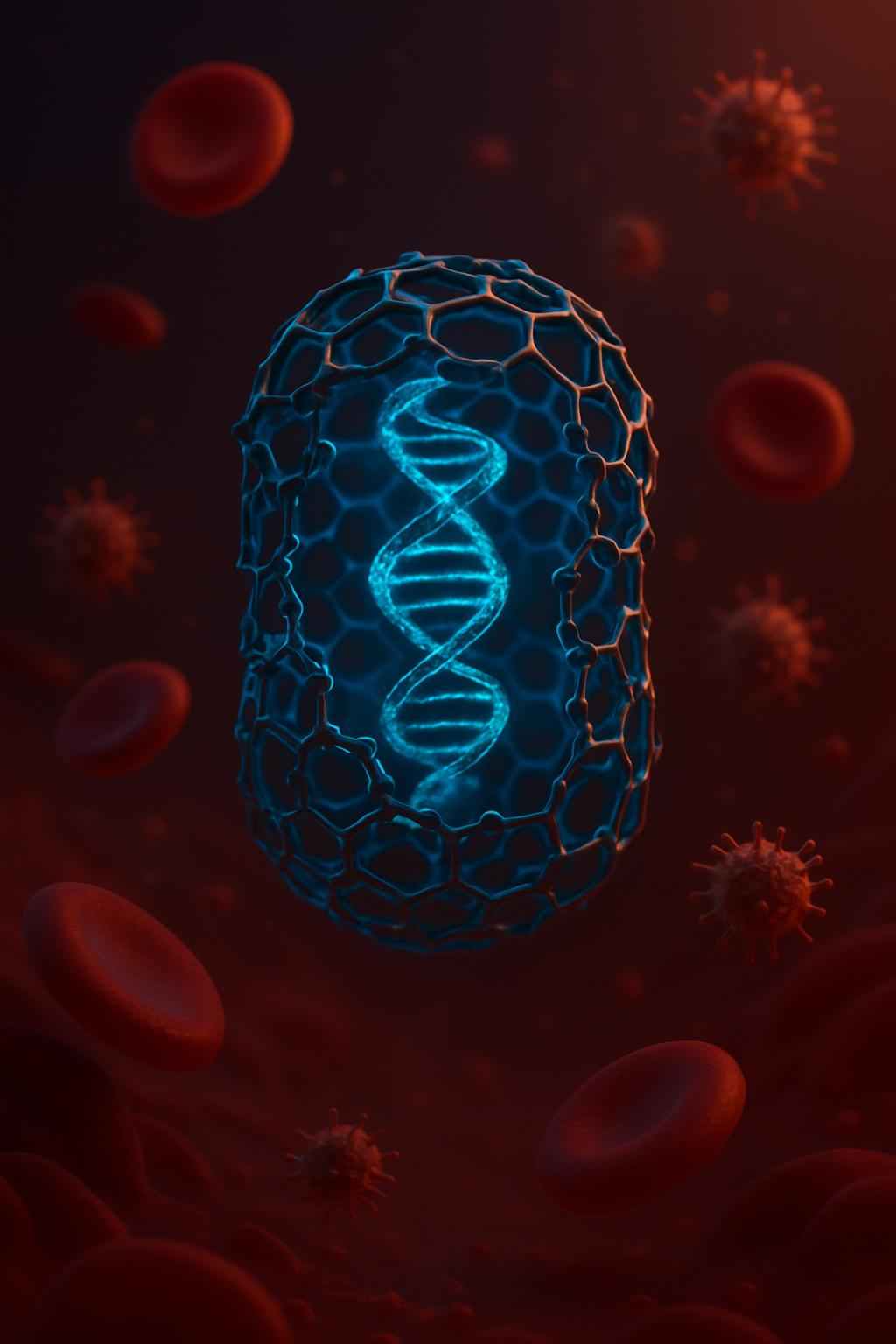
You’re Breathing Nanobots and Don’t Even Know It—Well, Almost.
You’re Breathing Nanobots and Don’t Even Know It—Well, Almost. A molecular-scale device is surrounded by molecules that keep colliding with it, so its path…
Discover more
Dimming sunlight would leave an ocean problem untouched
Reflecting more sunlight into space could reduce warming without removing carbon dioxide. The ocean would still absorb that gas, changing seawater chemistry…
Discover moreSpace is so vast even light takes years to deliver a message — so discovering new exoplanets feels both thrilling and pointless.
Space stretches out like an endless ocean where even light, the fastest traveler we know, gets tired waiting to arrive. Every new exoplanet is a treasure…
Discover more
Evolution did not stop when humans built cities
Whenever inherited differences affect how traits are passed between generations, populations can keep changing. Culture also changes the conditions: diet,…
Discover moreWe were promised flying cars, but instead we’ve got billionaires racing into space, livestreaming awkward zero-gravity flips.
Once upon a time, we dreamed of highways in the sky, fleets of flying cars carrying everyday dreamers into the clouds. Instead, we got glittering rockets…
Discover more
Your brain may have a boredom alarm
When the brain has too little to engage with, certain cells become more active—a response that may act like an alarm for under-stimulation. Researchers saw…
Discover moreUnder labs, scientists recently grew crystals that twist light in ways unseen before, opening paths for quantum information storage.
These are not gem-shop crystals but futuristic marvels grown in secretive labs. Scientists have coaxed them to bend and twist light in peculiar ways—as though…
Discover moreGravity isn’t just attraction, it’s spacetime bending like a trampoline sheet under weight.
Picture space as a vast invisible sheet, and every planet or star as a bowling ball pressing into it. That sag pulls everything nearby into graceful orbits,…
Discover more