A closer look
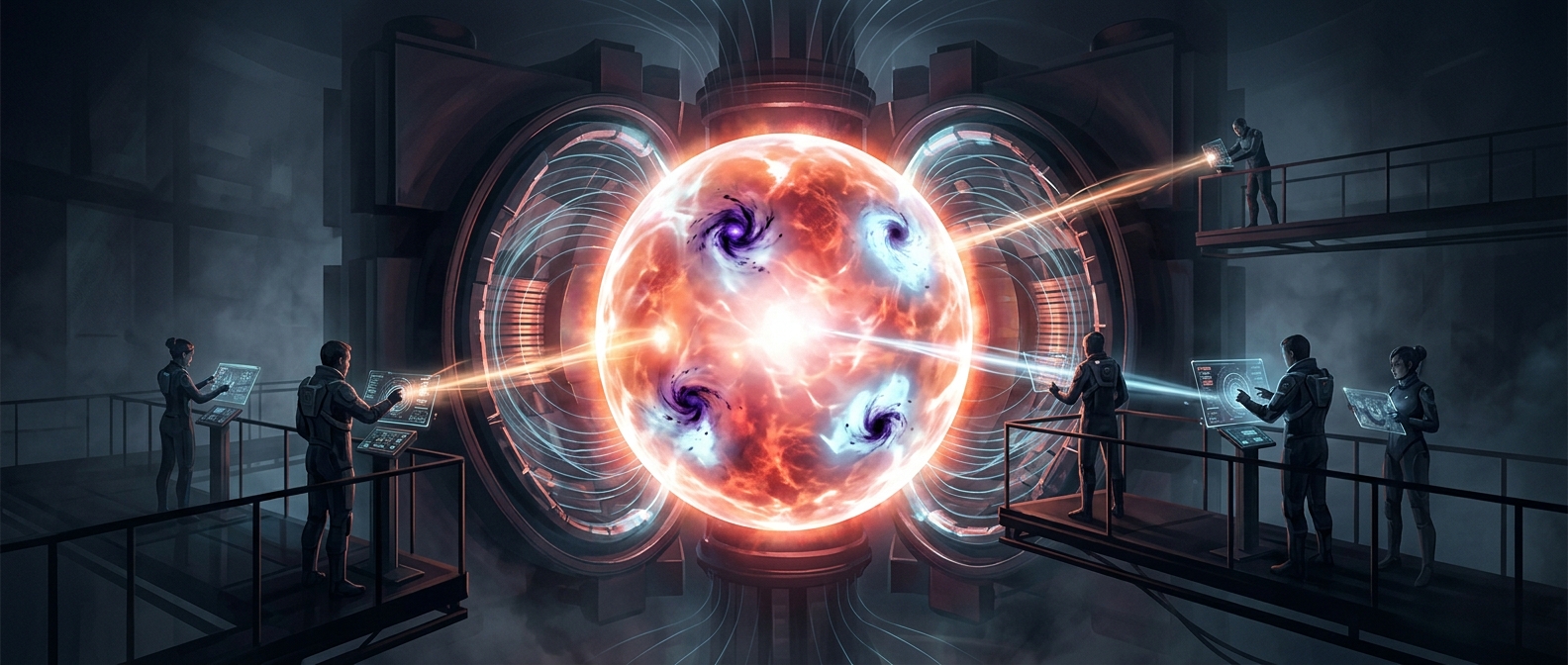
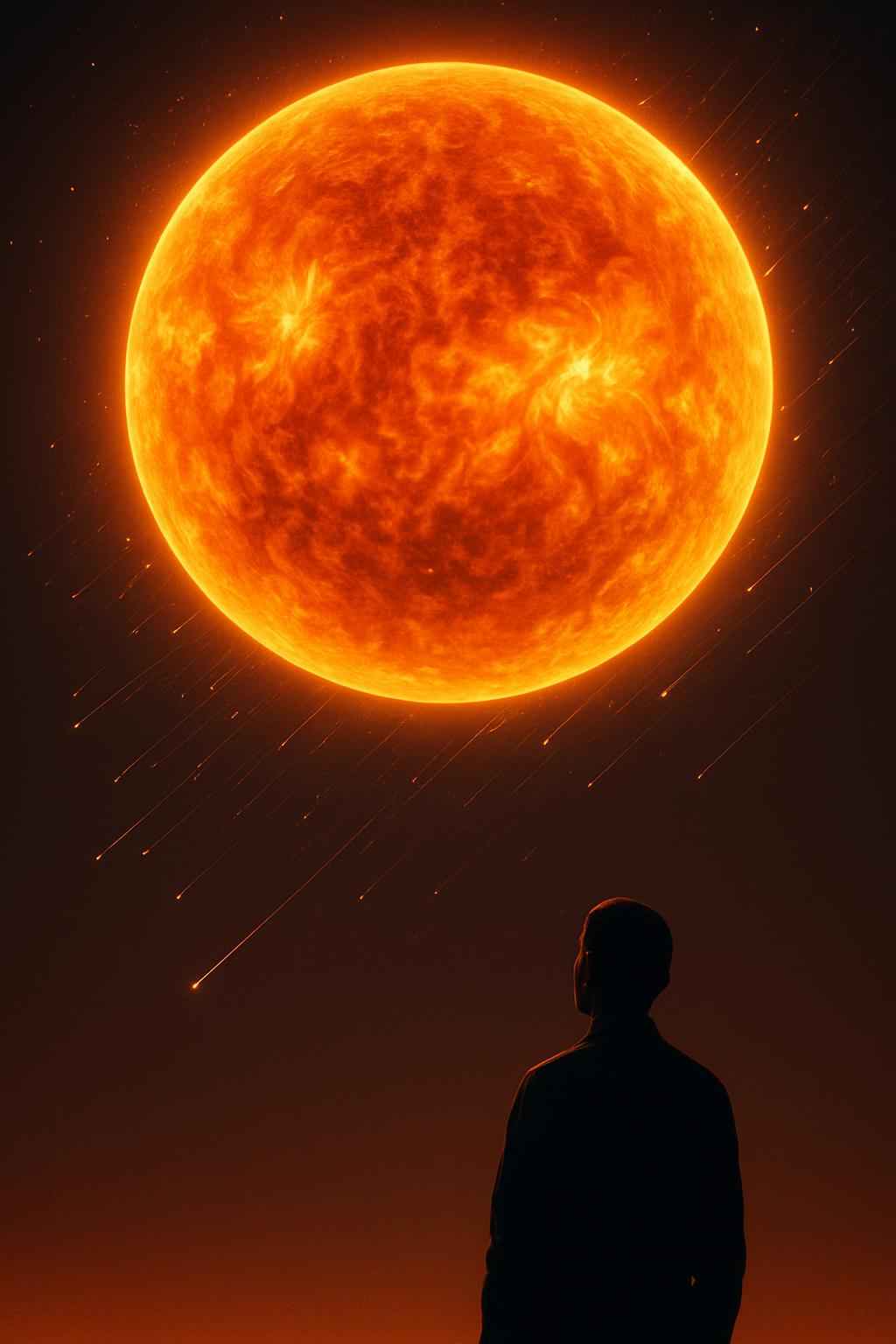
Every second, the Sun converts 600 million tons of hydrogen into light—some photons older than your grandparents before they escape its core. Recently, astrophysicists mapped this process through neutrino detectors buried under mountains, capturing subatomic messengers that ghost straight through Earth. Each tiny particle whispers about fusion’s heartbeat at 15 million degrees. What stuns scientists most: the Sun brightens by fractions yearly, implying our daylight subtly shifts over generations—a cosmic dimmer adjusting civilization’s spotlight. The same mathematics now fuels research into miniature 'stars-in-a-bottle'—fusion reactors that could power cities without carbon scars. Standing under sunlight suddenly feels like shaking hands with an ongoing explosion across 150 million kilometers—gentle, infinite, and utterly unstoppable.