How magnetic turbulence lets heat slip away
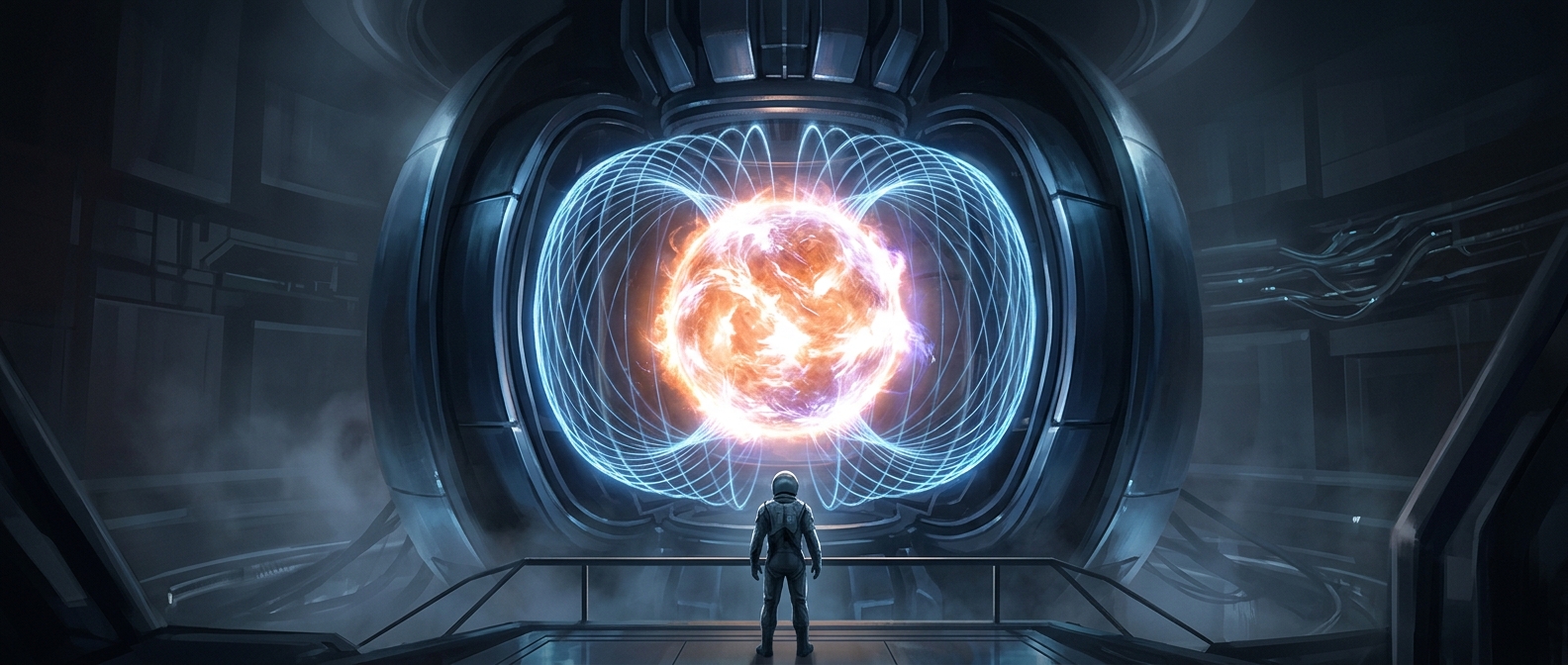
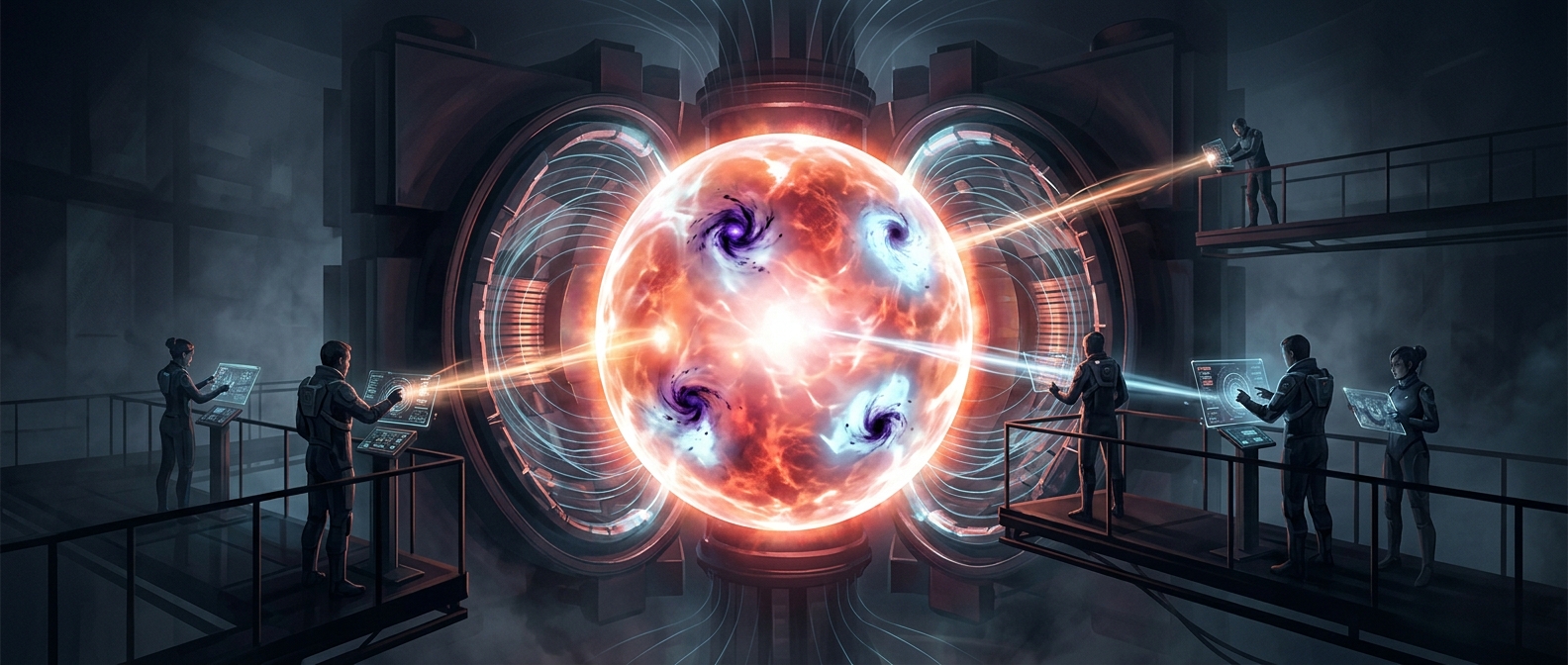
A tokamak confines plasma with magnetic fields because charged particles spiral around field lines rather than moving freely across them. But the field is not a sealed wall. If the plasma’s density or temperature varies sharply from one region to another, those gradients can drive waves and irregular, swirling motions in the plasma. The “tornadoes” are patterns in this turbulent motion, not rotating columns of gas.
The motion matters because it can shuffle hot particles and energy across the magnetic field. Even when each particle mostly follows a field line, collective fluctuations can move the plasma in ways that make confinement less effective. Heat then leaks outward faster than it would in a smooth, steady plasma.
Why small fluctuations matter to fusion
Fusion requires the fuel to remain extremely hot and dense long enough for nuclei to collide and fuse. A tokamak’s heating systems add energy, while its magnetic field helps keep the fuel away from the vessel walls. Turbulence works against that balance: as heat escapes, the machine must replace it to maintain conditions suitable for fusion.
The challenge is not simply to make the magnetic field stronger. Researchers need to understand which plasma conditions stir up turbulence, how those fluctuations grow, and how they transport heat. Measurements inside the plasma help test models of that process and improve predictions of how a reactor-scale plasma will behave.
For ITER, the international tokamak being built to study fusion at large scale, controlling this transport is part of turning magnetic confinement into a practical energy system. A plasma can be held in place overall and still lose heat through its own restless motion—the difference between a magnetic bottle and a perfectly insulated one.