A closer look
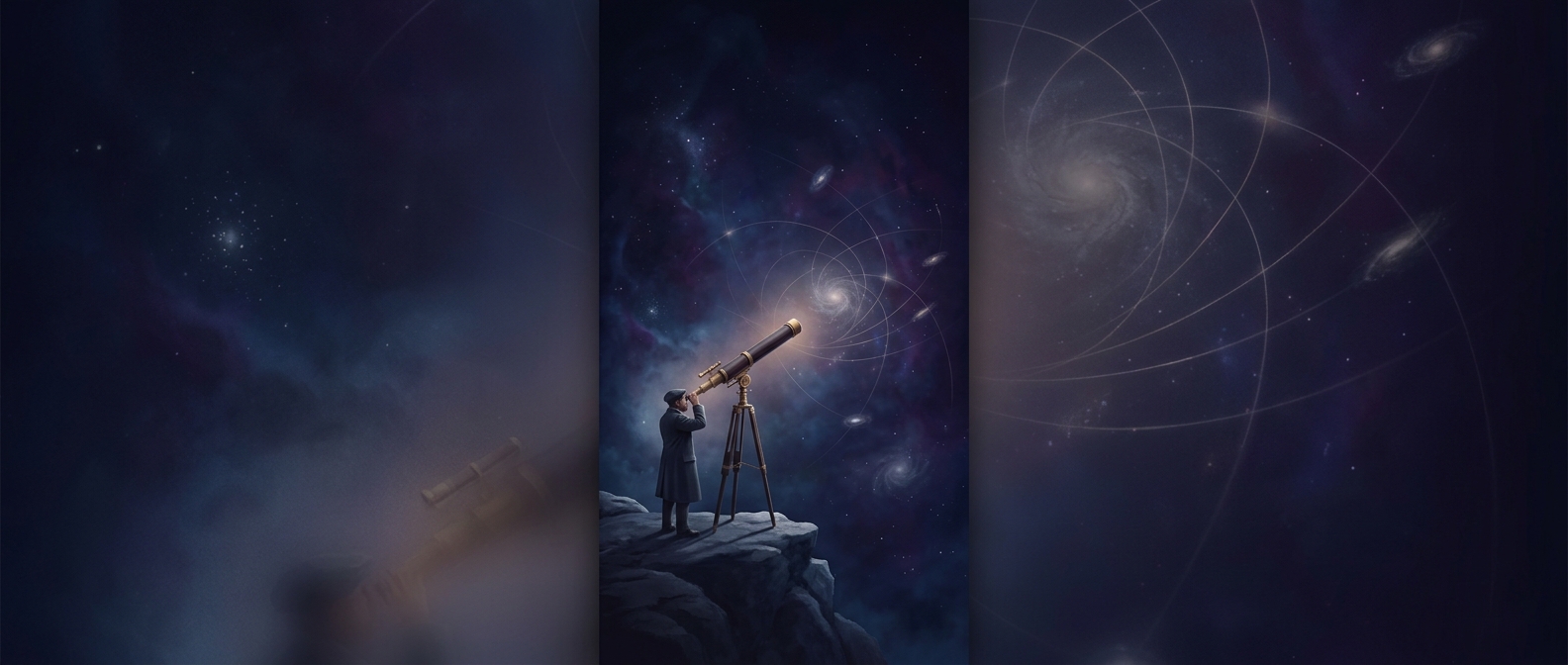
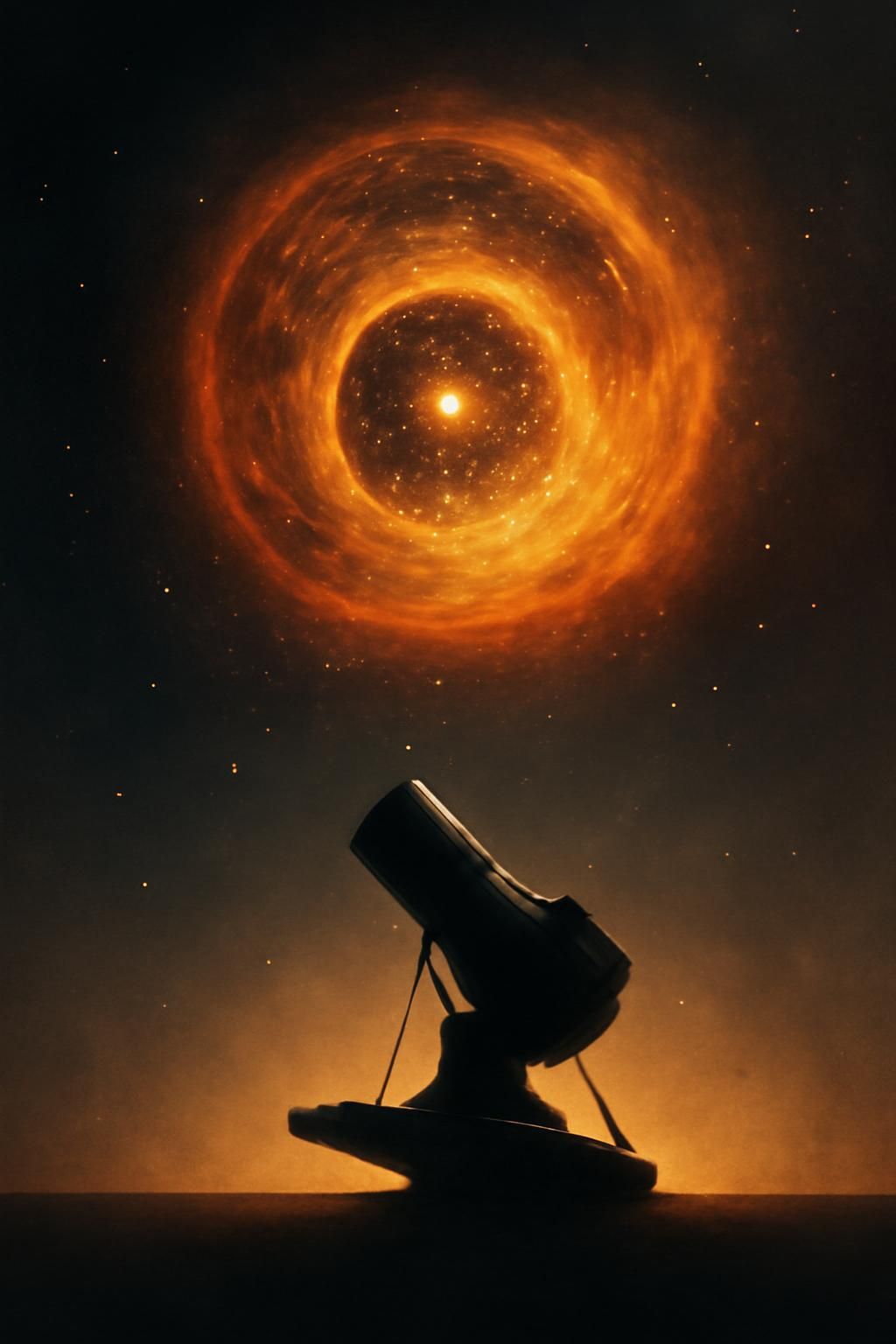
A telescope sitting a million miles from Earth is quietly breaking the story of how the universe built itself. When the James Webb Space Telescope opened its golden eye, astronomers expected to see baby galaxies: small, messy clumps of stars just starting to form a few hundred million years after the Big Bang. Instead, Webb kept finding monsters, surprisingly massive, bright galaxies that seemed to exist too early, as if the cosmos had been speedrunning its own evolution. Some of these objects are so dense and red that researchers started questioning the details of our models: did stars ignite faster than we thought, is dark matter acting differently, or are we misreading the ancient light entirely? Each new observation forces teams to rewrite papers they were confident about five years ago. The wild part is that we're not watching the past through a recording; we are literally catching photons that have been traveling for over 13 billion years, only now crashing into our detectors and rewriting our textbooks.