A closer look
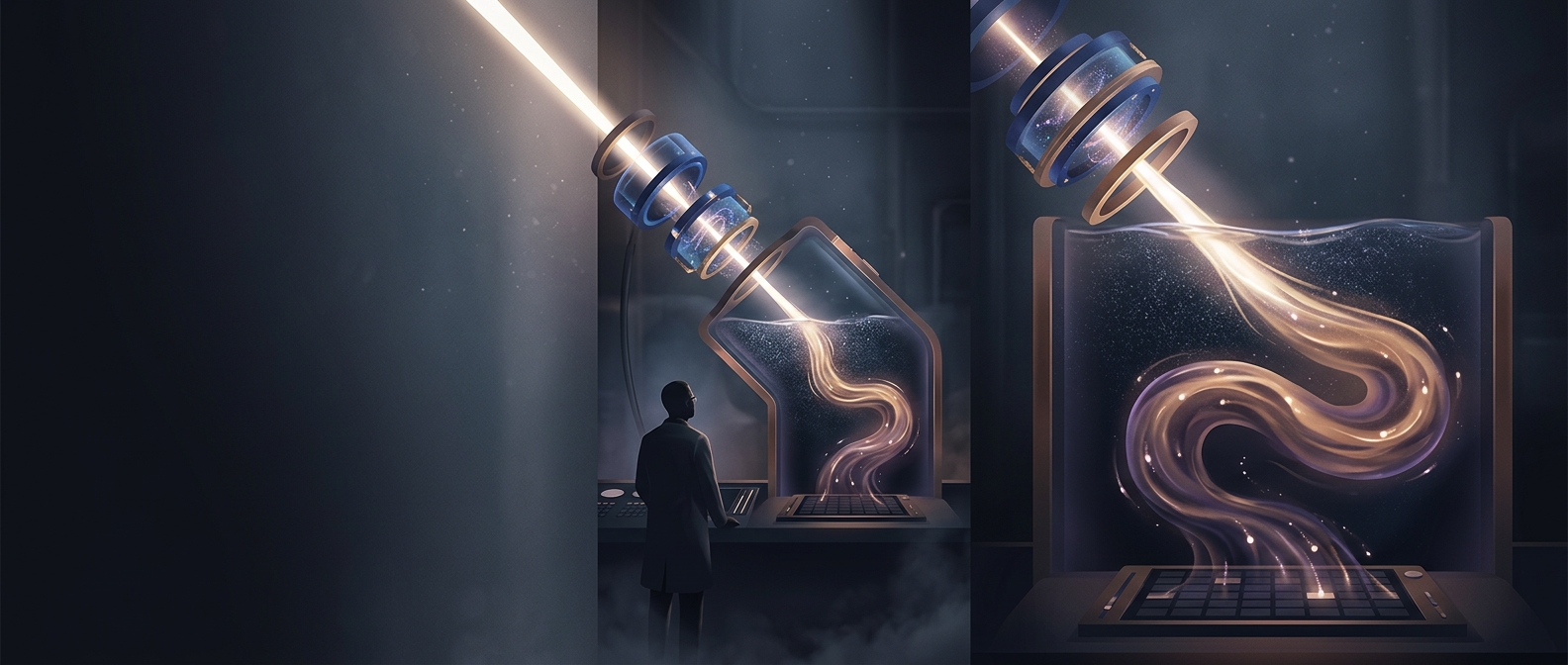
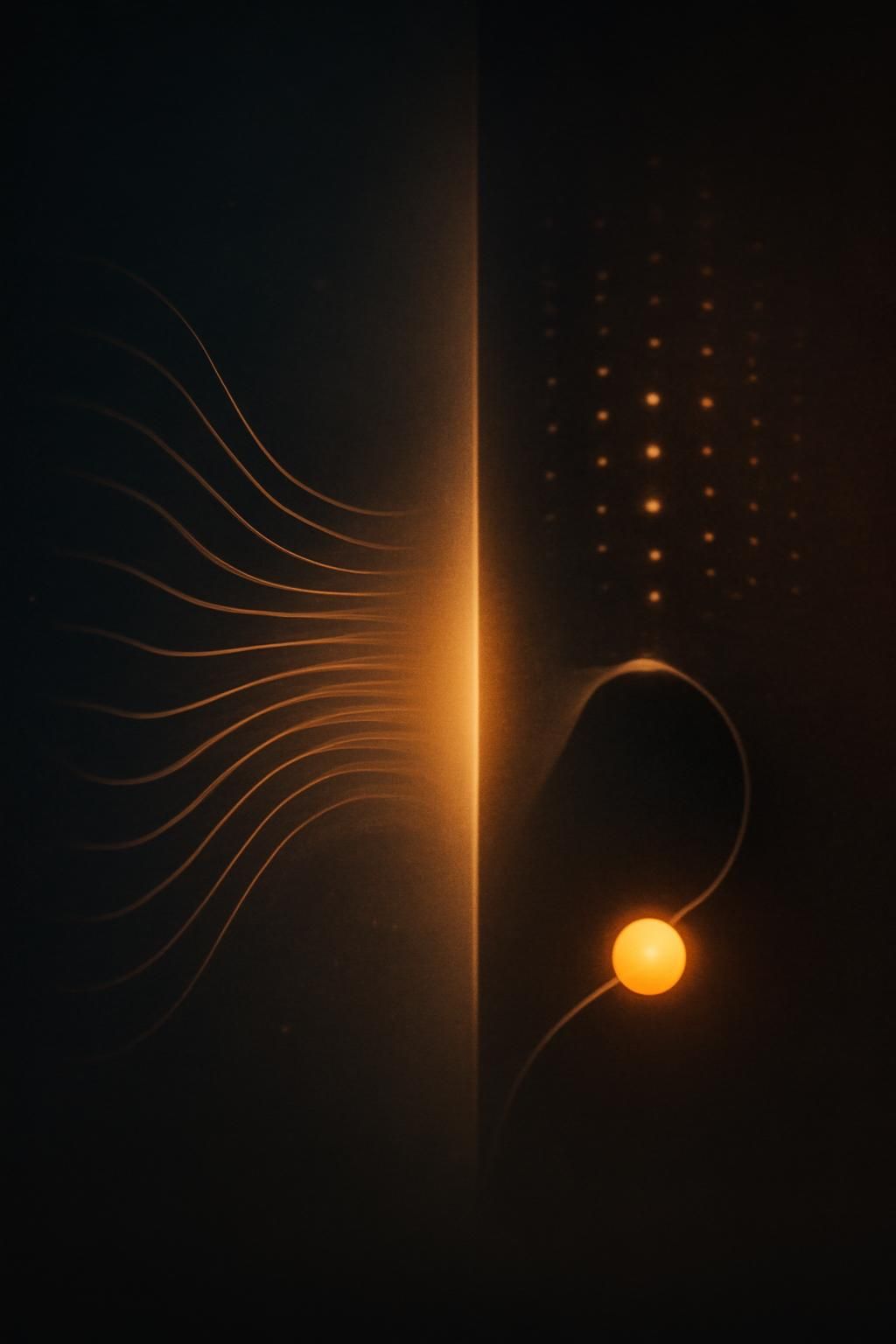
There are experiments where a decision you make now seems to rewrite what a particle did in the past. In delayed-choice quantum eraser setups, a photon passes through a device that could let it act like a wave (spread out, interfere with itself) or like a particle (take one path). Much later, scientists choose whether to keep or erase the information about which path it took. When they keep the path info, the interference pattern disappears, as if the photon always behaved like a tiny bullet. When they erase it, the wave‑like pattern appears — even though the photon has already hit the detector. It’s not time travel, but it shatters the comforting idea that particles have fixed properties independent of how we look at them. Reality at tiny scales seems to stay in a fuzzy “could be many things” state until an observation forces it to pick a story, and that story somehow reaches backward through the experiment.