What a dark-matter collision would leave behind
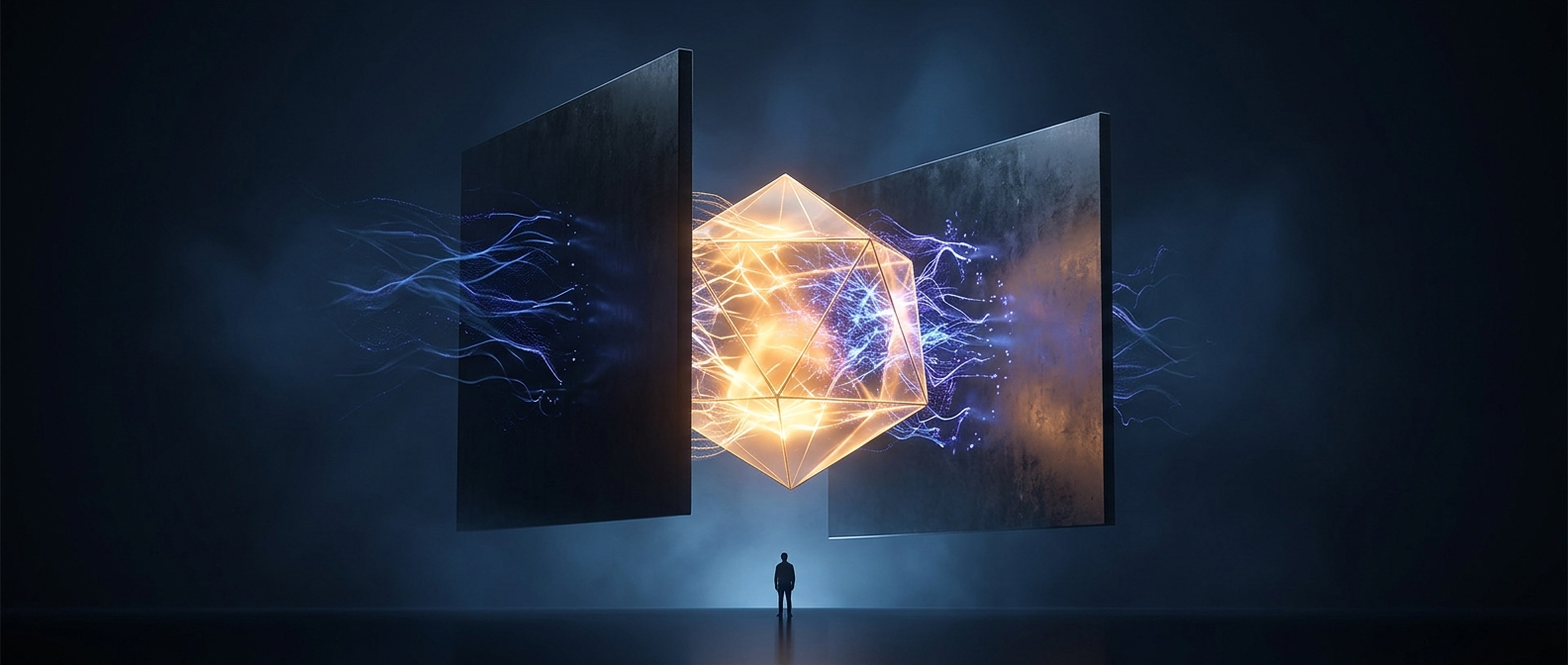
A detector cannot photograph dark matter. Instead, it looks for a faint jolt: if a passing dark-matter particle strikes an atomic nucleus, the nucleus may recoil, depositing a tiny amount of energy in the detector. Depending on the material, that energy can appear as a brief flash of light, a small electrical signal, or both.
The challenge is that ordinary particles can produce similar signals. A stray neutron, for example, can also knock a nucleus and imitate the event researchers hope to see. Detectors therefore use carefully chosen materials and monitor several kinds of signal, looking for patterns that help distinguish a possible dark-matter hit from more familiar interference.
Why the search goes underground
Earth’s surface is constantly crossed by cosmic rays—high-energy particles from space that can trigger detector signals. Rock above an underground laboratory absorbs much of that bombardment, making it easier to notice rare, low-energy events. The location does not make dark matter more likely to strike; it makes competing signals less likely to drown out a strike.
Even in a quieter setting, the expected interaction is so rare that a detector may wait a long time without a convincing event. Researchers can still use that silence: it rules out some possible combinations of particle properties and interaction strength. But a limit is not a detection. Until a signal can be separated from background and independently confirmed, the gravitational evidence for dark matter remains stronger than any direct encounter with it.