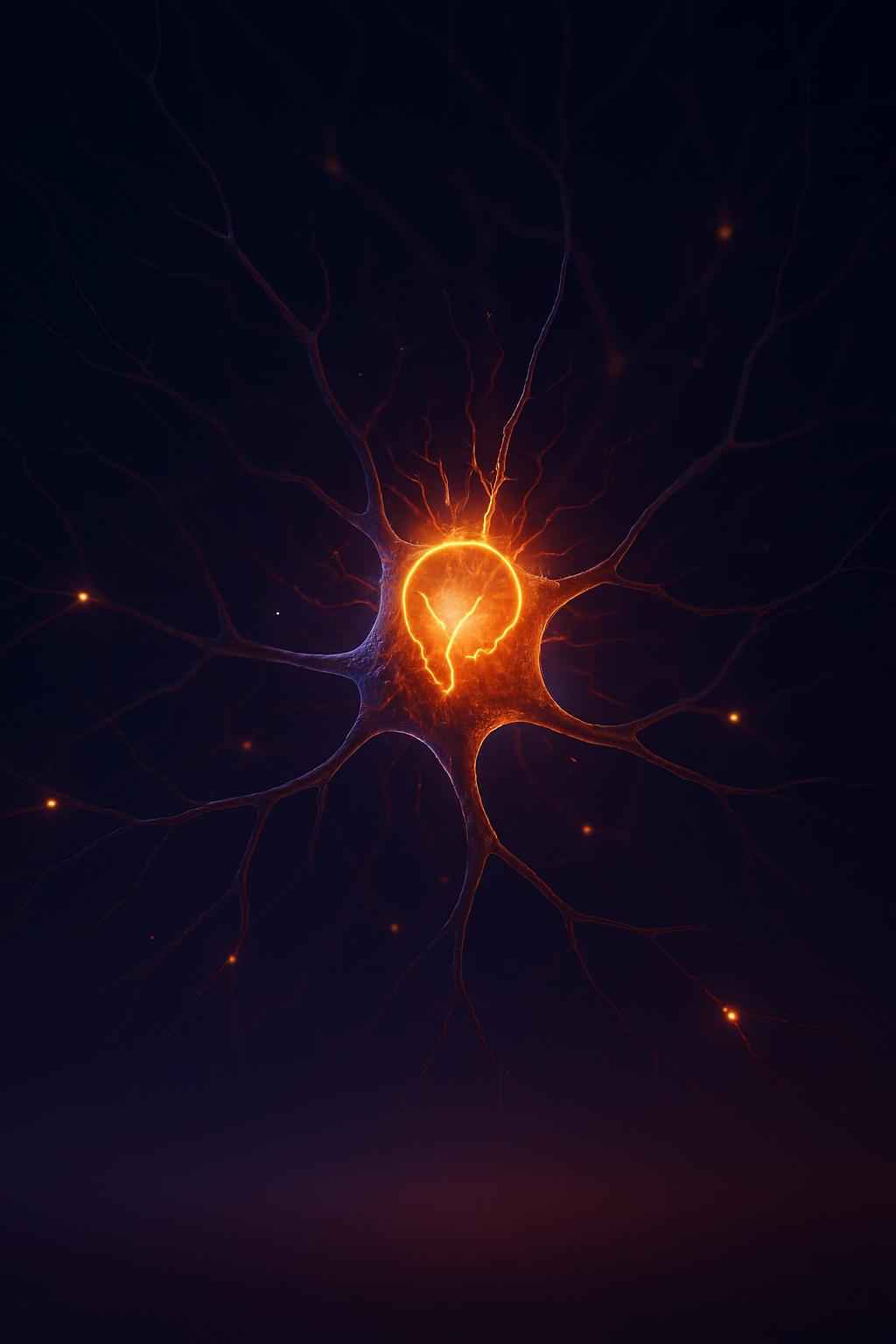
Curiosity can change what the brain learns
Curiosity is more than a feeling that makes a question hard to ignore. It can steer attention toward information that helps the brain revise its expectations. When an answer is more informative than expected—or makes a confusing pattern suddenly make sense—the brain may register that improvement as a useful learning event.
Dopamine is involved in this process, but it is not simply a chemical measure of pleasure. In learning, dopamine can help signal that an outcome differs from what the brain anticipated. A better-than-expected result can make the information that led to it more worth learning from.
From a signal to lasting change
That signal does not build a new brain structure in a single burst. Instead, it can influence synaptic plasticity: the strengthening or weakening of connections between nerve cells. When a person attends to a surprising explanation, practices a newly understood skill, or uses an insight to solve another problem, repeated activity can help stabilize relevant connections.
The sequence matters. Surprise can draw attention; attention gives the brain a better chance to process the information; and repetition or use can help preserve what was learned. Without that follow-through, a brief spark of interest need not become a durable change.
Why the mechanism matters
Curiosity may therefore shape the brain indirectly, by influencing which experiences receive focused processing and repeated practice. A question that prompts someone to investigate can open a path to new knowledge; applying that knowledge gives the brain opportunities to strengthen useful connections. Over time, those changes can affect how readily related ideas or skills come to mind.
The striking implication is that an insight is not just a satisfying answer. When it changes what someone attends to or does next, it can help determine which neural connections get exercised—and which are more likely to endure.