How a trait becomes more common
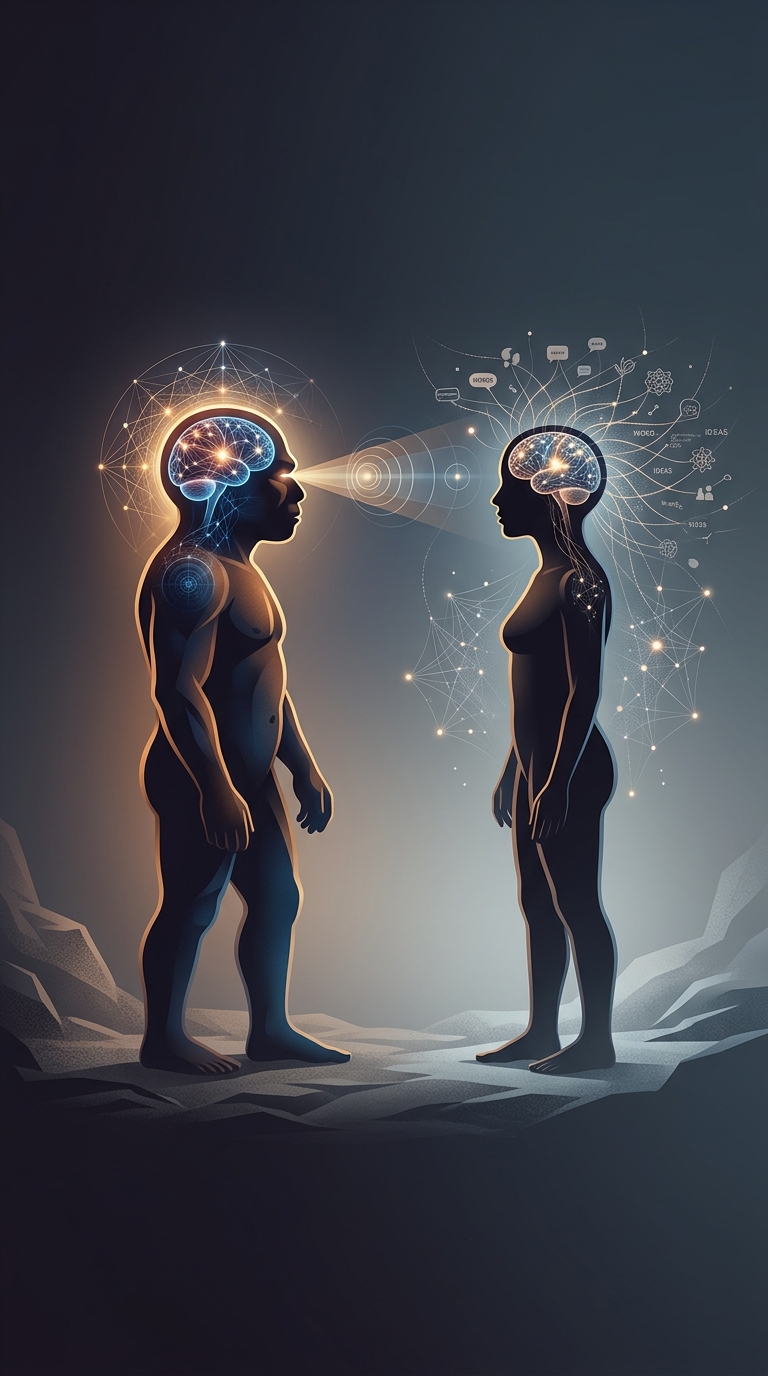
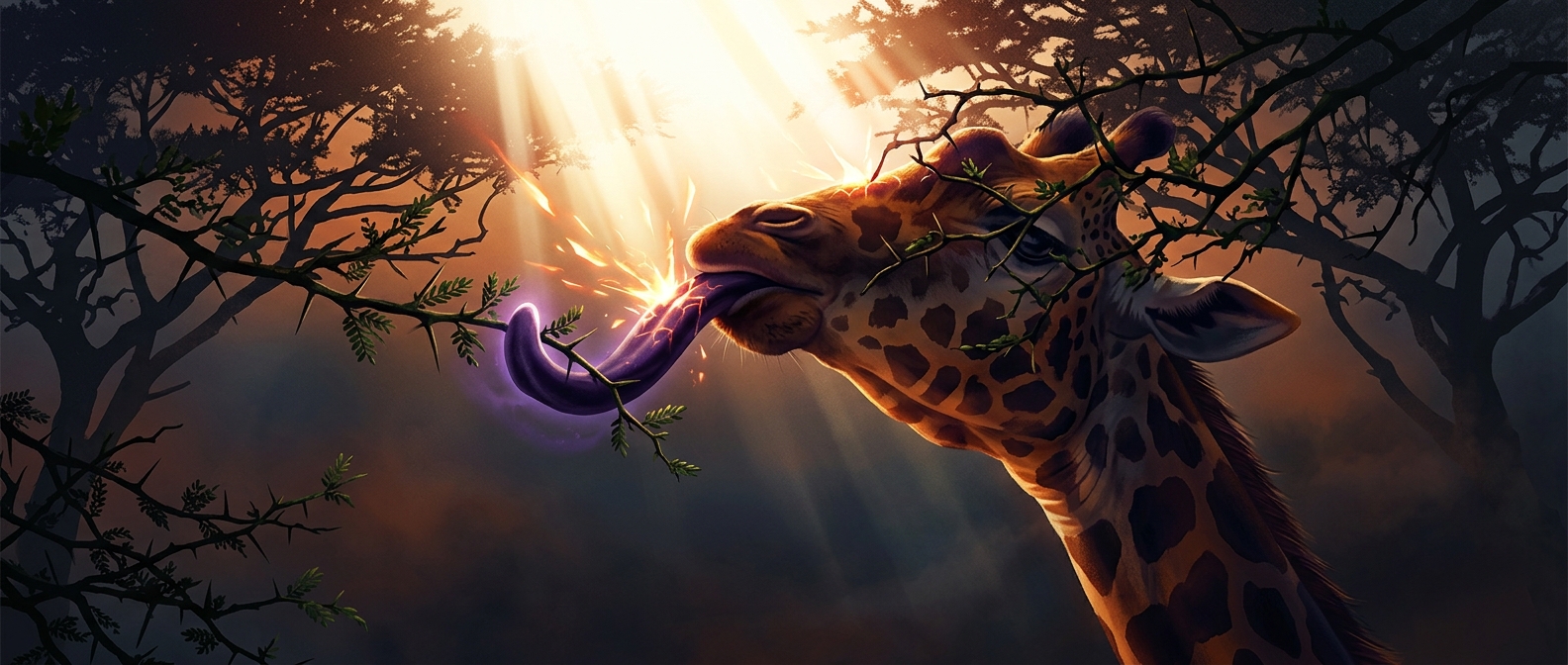
Evolution is a change in inherited traits across generations. The raw material is genetic variation: people differ because of small changes in DNA, and some of those changes can be passed to children. If a heritable difference affects how many descendants people tend to have in a particular environment, the versions linked to more descendants can gradually become more common.
That process does not require a dramatic advantage. A slight difference in survival or reproduction, repeated across many generations, can shift a population. And survival is only part of the story: a trait matters evolutionarily if it affects the number of copies of its genes that reach later generations.
Not every change is natural selection
A genetic variant can also spread by chance, especially in a small population. People moving between populations can carry variants with them, too. These processes—chance changes in frequency and the movement of genes—can shape populations alongside natural selection.
Meanwhile, culture changes the conditions people live in. Food, medicine, technology, and social habits can alter which traits affect survival or reproduction. But a change in someone’s body during life does not, by itself, rewrite the DNA passed to their children; evolution requires inherited differences to shift across generations.
Evolution has no finish line
A trait is not universally “better.” Its effects depend on circumstances, and conditions can change. Evolution also does not aim toward greater strength, intelligence, or perfection; it has no foresight, only differences in which inherited variants happen to leave more descendants over time.
That makes the future difficult to forecast. A trait’s spread depends on biology, behavior, and the environment people actually encounter—not on a plan for what humans are supposed to become.