Why a doorknob can suddenly spark
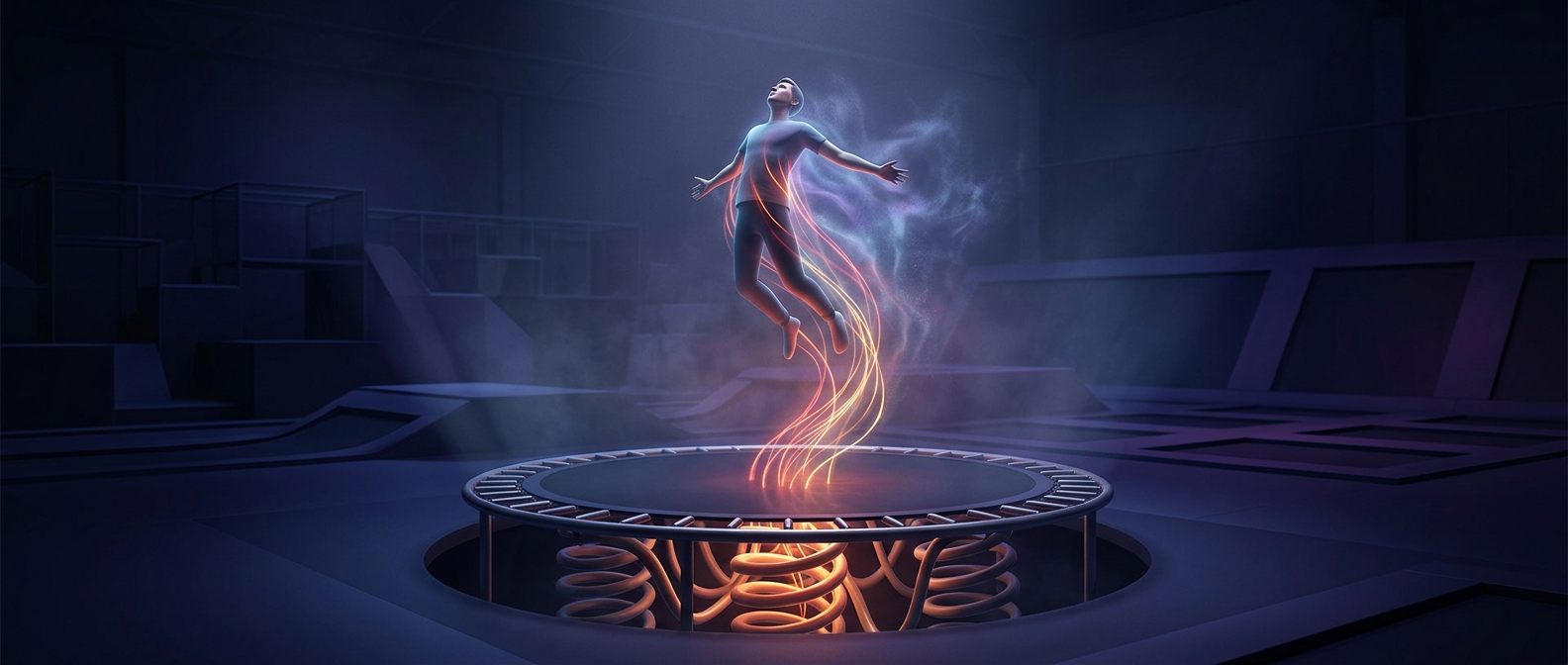
The charge usually begins accumulating before your hand reaches the knob. As you walk, your shoes rub against the floor, and materials in your clothing and surroundings exchange electrons through contact and separation. That leaves an imbalance of electric charge on your body. Dry air lets it linger; moisture on surfaces and in the air helps charge leak away.
The air briefly becomes a conductor
Normally, air insulates the knob from your charged body. As your finger approaches, the electric field in the narrowing gap grows stronger. If it becomes strong enough, it strips electrons from air molecules, creating a short-lived path of charged particles. Charge rushes across that path, producing the visible spark and the sharp sensation on your skin. This sudden electrical breakdown is the same basic kind of event as lightning, though vastly smaller.
The voltage needed to start a spark can be high even when the amount of charge is tiny. Those are different measures: voltage describes the electrical push, while charge describes how much electricity is available to move. With little charge to draw on, the discharge is over quickly and usually does not injure a person.
That brief burst can matter in a different setting, however. If a spark forms where flammable vapor or fine combustible dust is mixed with air, it may provide enough energy to start a fire or explosion. The relevant question is not simply how small the spark looks, but whether its energy reaches an ignitable mixture.