Ice loss changes pressure beneath a volcano
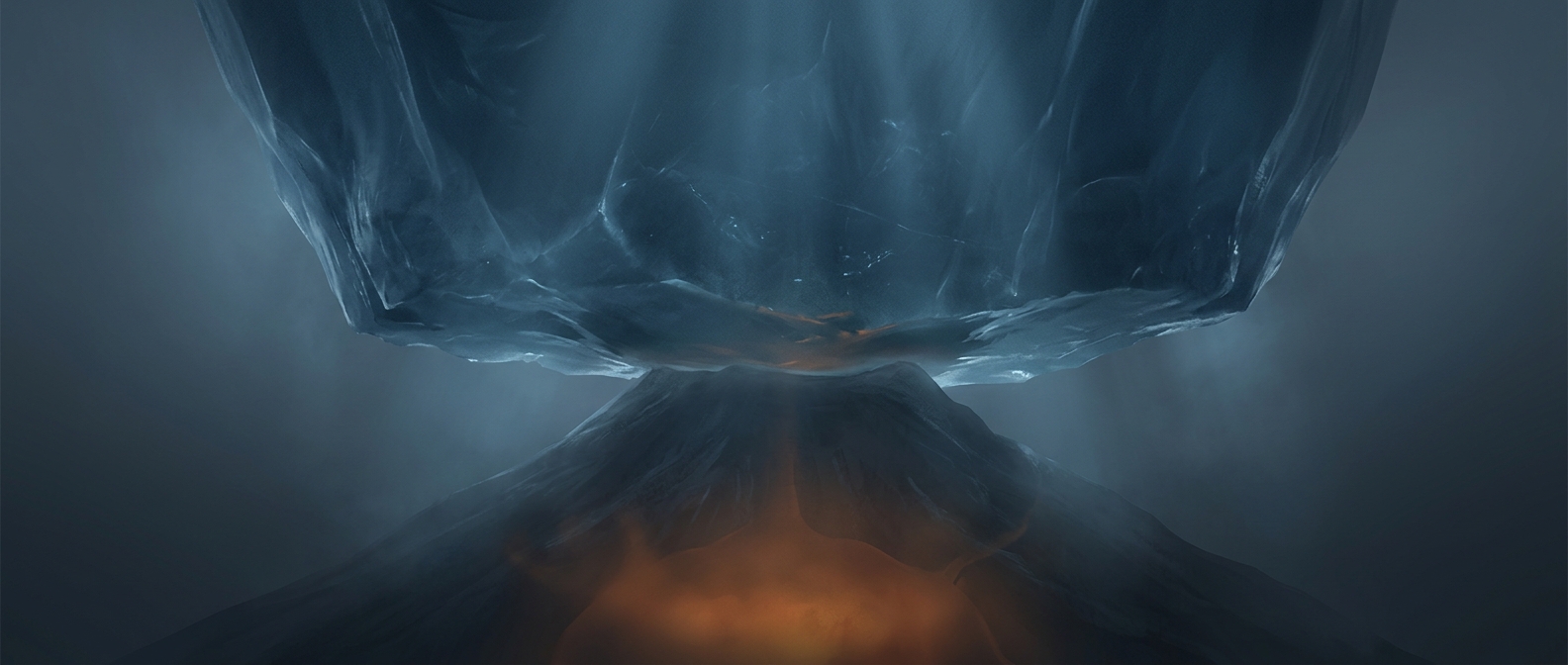
A thick glacier is a vast load on Earth’s crust. As it melts, that load lightens. The pressure change is especially important in volcanic regions because it can affect rock that is already hot and close to melting—not simply trigger an eruption directly.
From decompression to magma
Deep beneath the crust, hot mantle rock can begin to melt when pressure falls, even if its temperature changes little. This is called decompression melting: with less pressure squeezing the rock, some of its minerals melt and form magma. The effect is gradual, and it depends on conditions such as how much ice is lost and how readily magma can move upward.
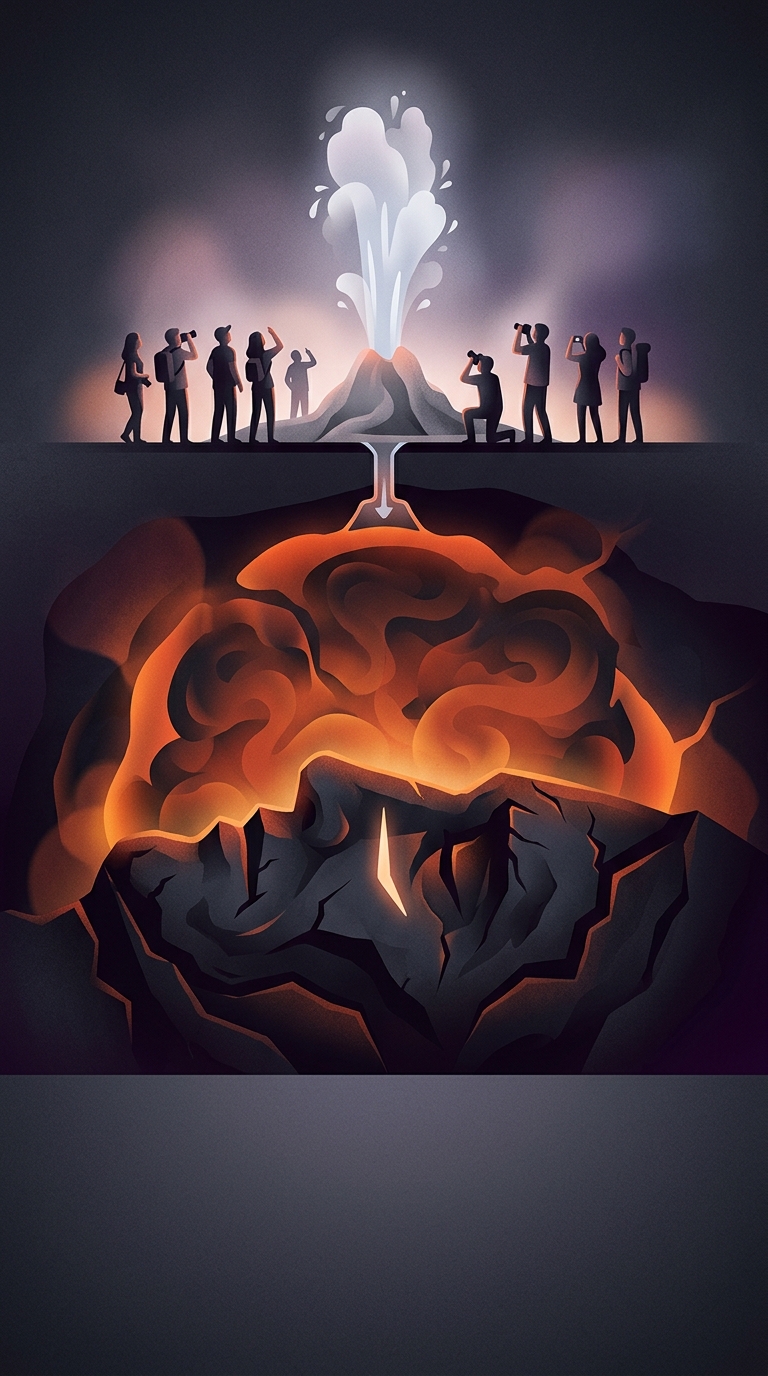
Magma is molten rock underground. It may collect in reservoirs, cool, or stall on its way toward the surface; only some of it feeds eruptions. So an increase in melting can alter the supply to a volcanic system without making an eruption immediate or inevitable.
Why the response takes time
The pressure at the surface can change as a glacier retreats, but melt formed at depth must still travel through the mantle and crust. That journey, along with storage and movement through existing cracks, can make the volcanic response lag behind the ice loss. The result is a slow adjustment in the system, not a switch flipped by a single melt season.
The key consequence is that a landscape can keep changing underground after its ice has thinned: less ice may mean more magma production over time, while the path from that change to an eruption remains indirect and delayed.