Why sulfur’s flame looks blue
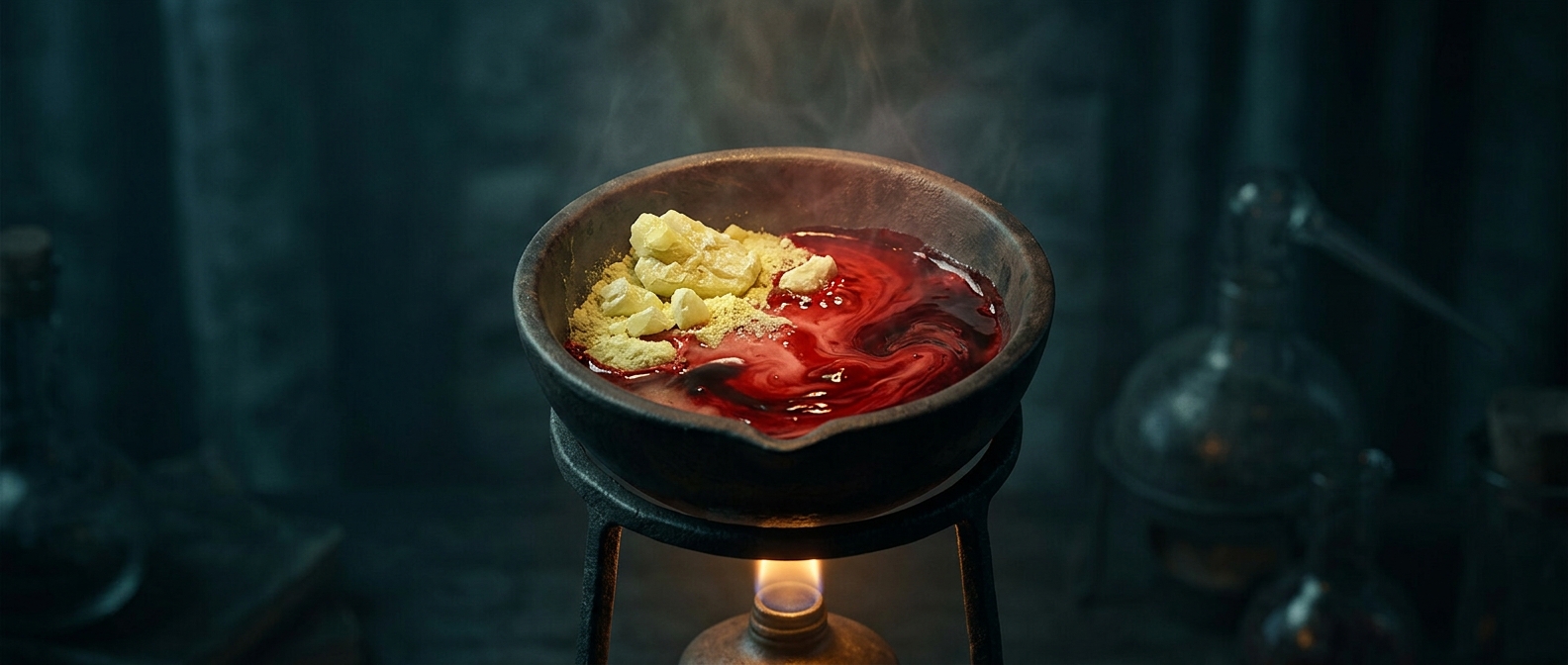
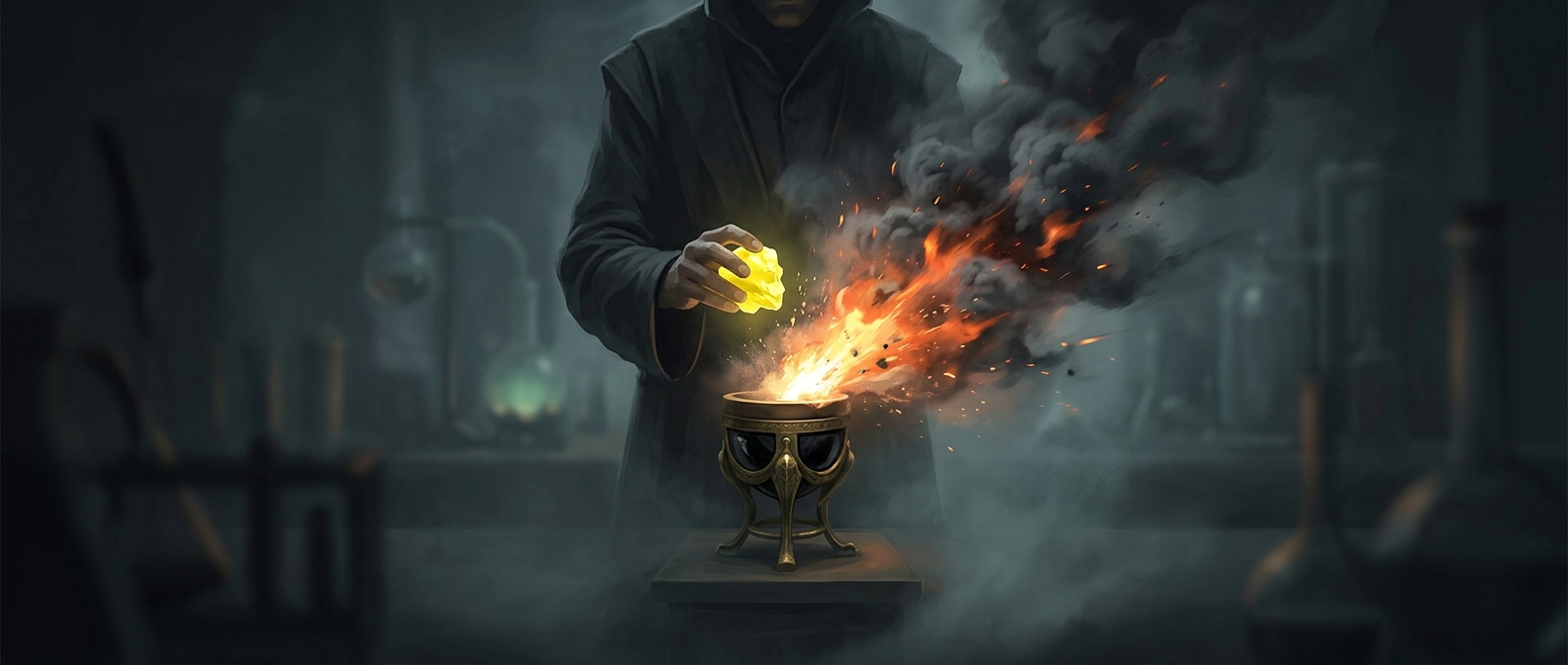
Sulfur does not burn in the same way a glowing piece of charcoal does. When heated, solid sulfur melts; as burning continues, sulfur-containing vapor reacts with oxygen in the air. The main product is sulfur dioxide, formed in the reaction sulfur + oxygen → sulfur dioxide.
The flame’s faint blue light comes from energy released during these reactions. Unlike a sooty flame, which appears bright because hot carbon particles glow, burning sulfur produces little of that glowing material. Its light can therefore be hard to see, especially in a bright room.
The gas matters more than the glow
Sulfur dioxide is colorless, so the flame does not reveal how much of the gas is present. When inhaled, the gas irritates moist surfaces in the nose, throat, and lungs. It can react with moisture there, contributing to the irritation and making breathing uncomfortable.
That mismatch is the important part of the demonstration: the visible flame is delicate, but the reaction produces an invisible respiratory irritant. A flame that is difficult to see is not evidence that little is happening—or that the surrounding air is safe to breathe.