Why Jupiter’s gravity cannot start a star’s engine
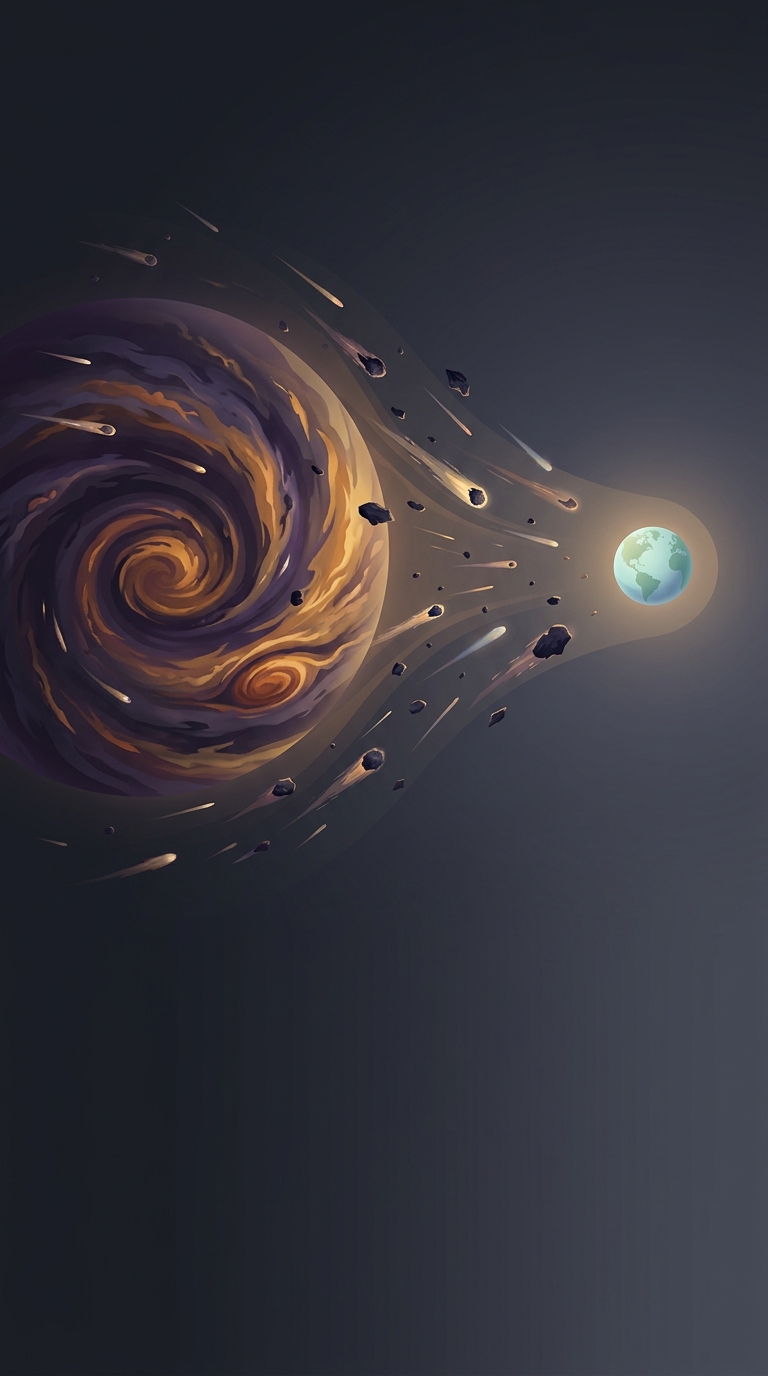
Fusion is the joining of atomic nuclei. In a star, gravity squeezes the center until it becomes hot and dense enough for hydrogen nuclei to fuse, releasing energy. The more mass an object has, the stronger the squeeze it can produce. Jupiter’s gravity falls far short of what is needed to sustain ordinary hydrogen fusion, so adding a little mass would not turn it into a star.
A lower threshold is not the same as becoming a star
Deuterium is a heavier form of hydrogen: its nucleus contains a proton and a neutron. It can fuse under less extreme conditions than ordinary hydrogen, which is why objects far below stellar mass can briefly burn it. Astronomers classify those objects as brown dwarfs, often described as lying between planets and stars. Deuterium burning does not provide the lasting hydrogen-fusion engine that powers a star.
The distinction is about what happens in an object’s center, not whether it looks bright. A planet can glow from heat left over from its formation without running on fusion. Jupiter slowly gives off internal heat, but that glow is not evidence that its core is close to igniting.
The difference is a matter of scale
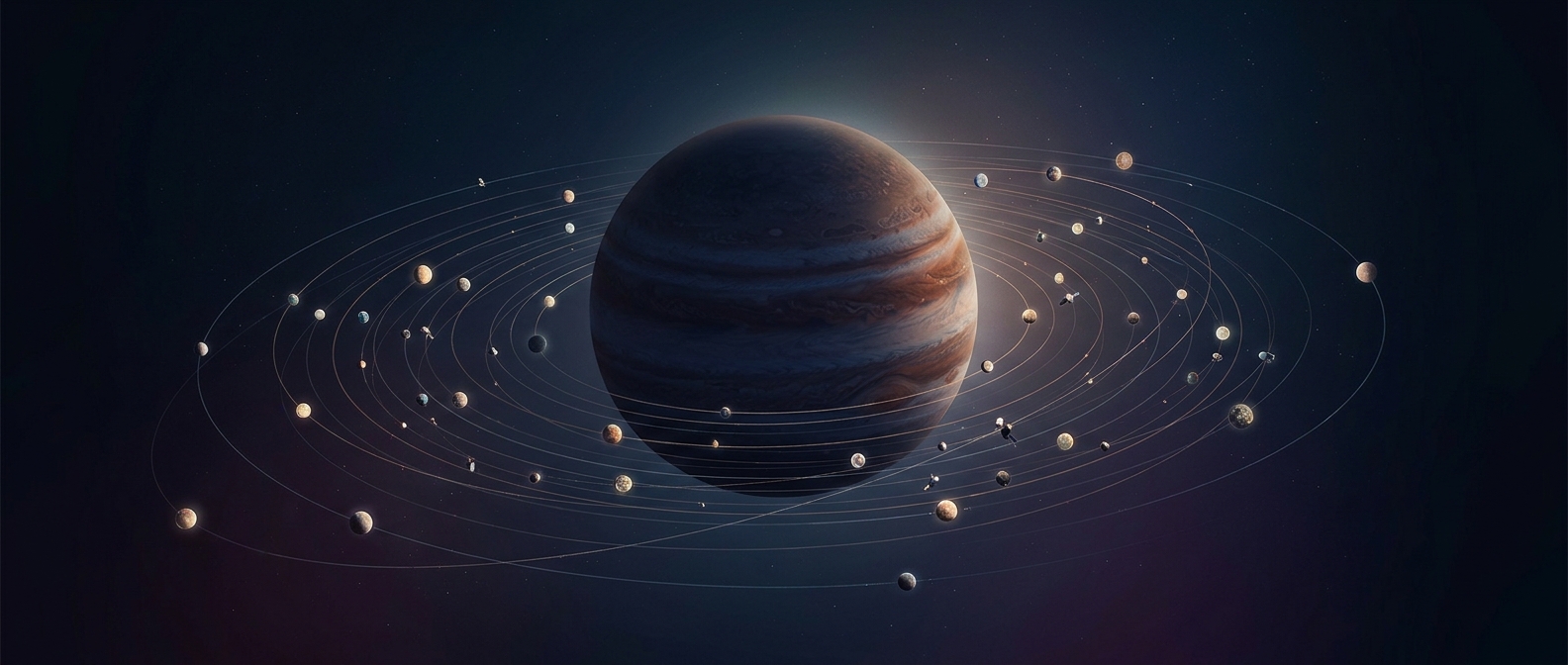
Jupiter is already the largest planet in our solar system, yet reaching even the lower, short-lived deuterium-fusion threshold would require a dramatic increase in mass. Reaching ordinary hydrogen fusion would take much more. The useful comparison is not “planet almost turned star,” but a planet and a star are separated by very different gravitational conditions—and Jupiter’s own heat does not bridge that gap.