What Would Remain If No One Could Count?
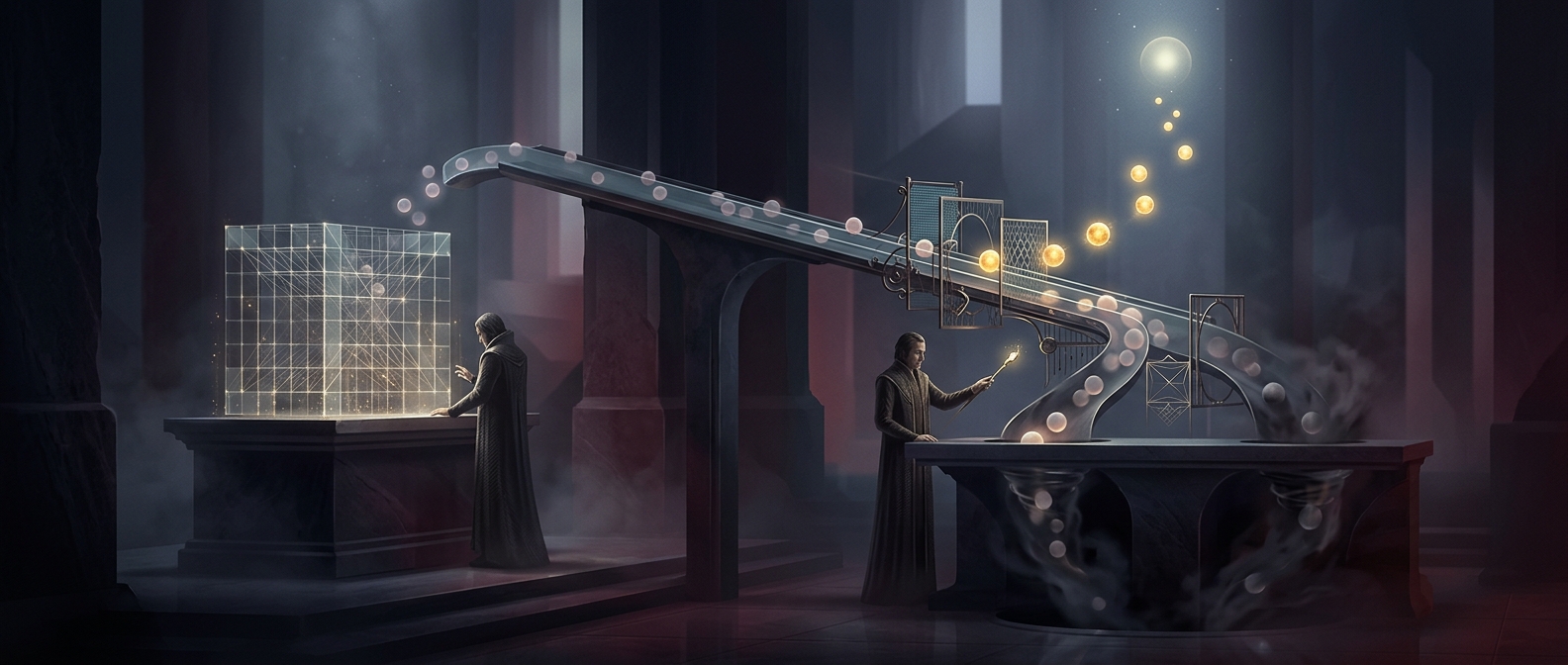
Platonism is the view that mathematical truths do not depend on human minds. If every person disappeared, a Platonist would say that two plus two would still equal four—not because the symbols “2,” “+,” or “4” would survive, but because the relationship they describe would remain true.
That distinction separates mathematical objects from physical ones. You can point to a pebble, but you cannot pick up the number two. The number is abstract: it has no location, weight, or material parts. Pebbles can illustrate what “two” means, but they are not the number itself.
The Map and the Territory
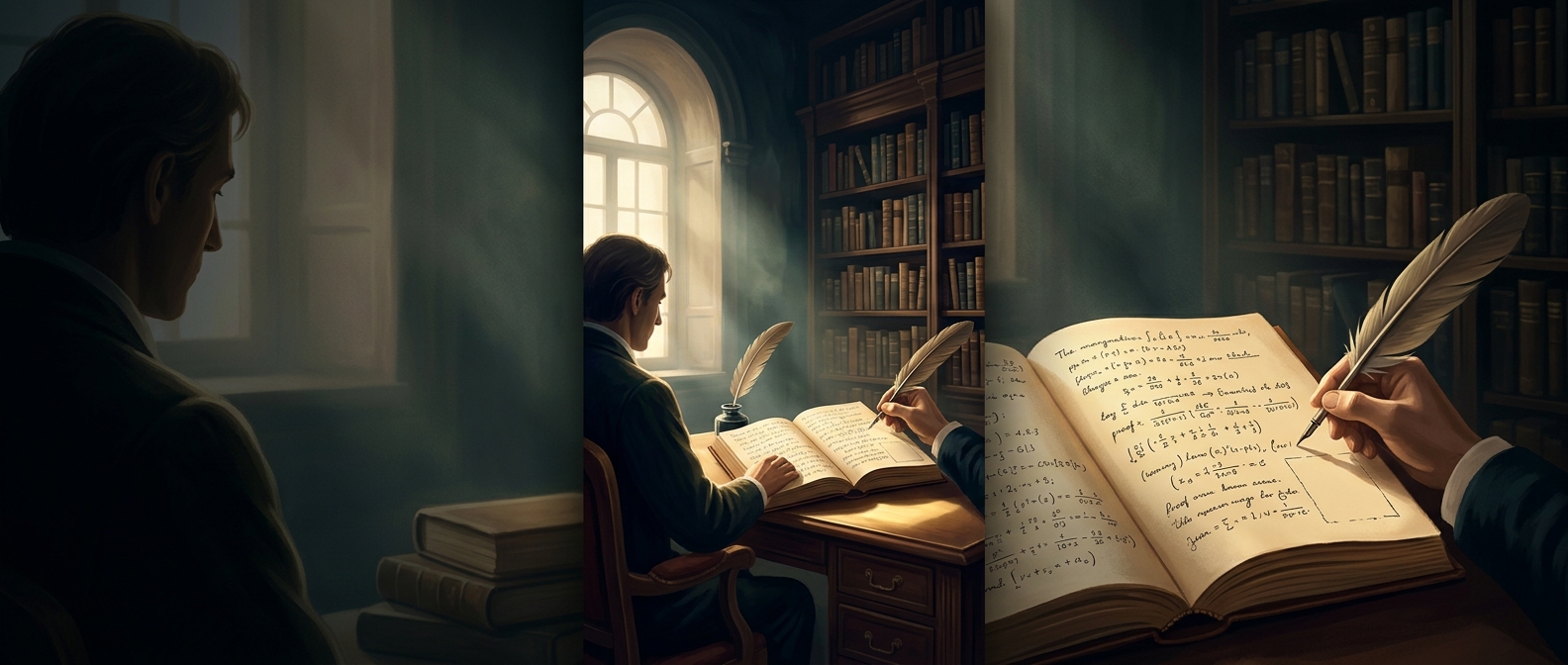
People clearly create mathematical notation, definitions, and proofs. Different symbols could have been used to write an equation, and a proof is a human-made chain of reasoning. Platonists nevertheless argue that these tools describe truths that are not created by the tools themselves—much as drawing a map does not create the landscape it represents.
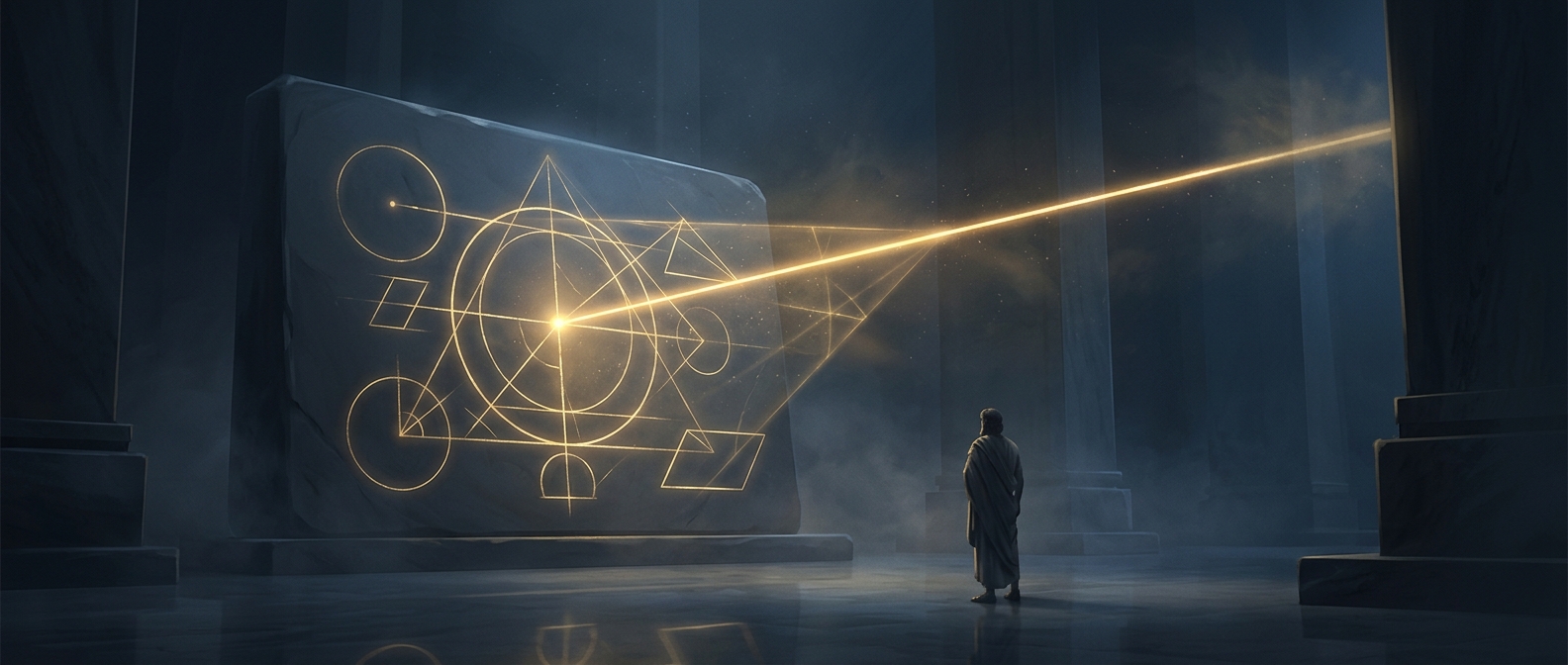
This view makes mathematical discovery sound less like inventing a game and more like finding out what follows from its underlying structure. Once the rules and meanings are specified, some conclusions are forced: rearranging two groups of two objects gives four objects, regardless of the symbols used to express it.
The Unanswered Question
The difficult part is explaining how minds made of physical matter can know anything about abstract objects that have no physical location. Platonism offers a striking answer to what mathematics is about, but it does not make that connection simple.
Its central claim is still useful to keep in view: we may invent the notation for “2 + 2 = 4,” while holding that the truth it expresses was never waiting on a page—or waiting for anyone to write it.