A mosquito is part of the worm’s life cycle
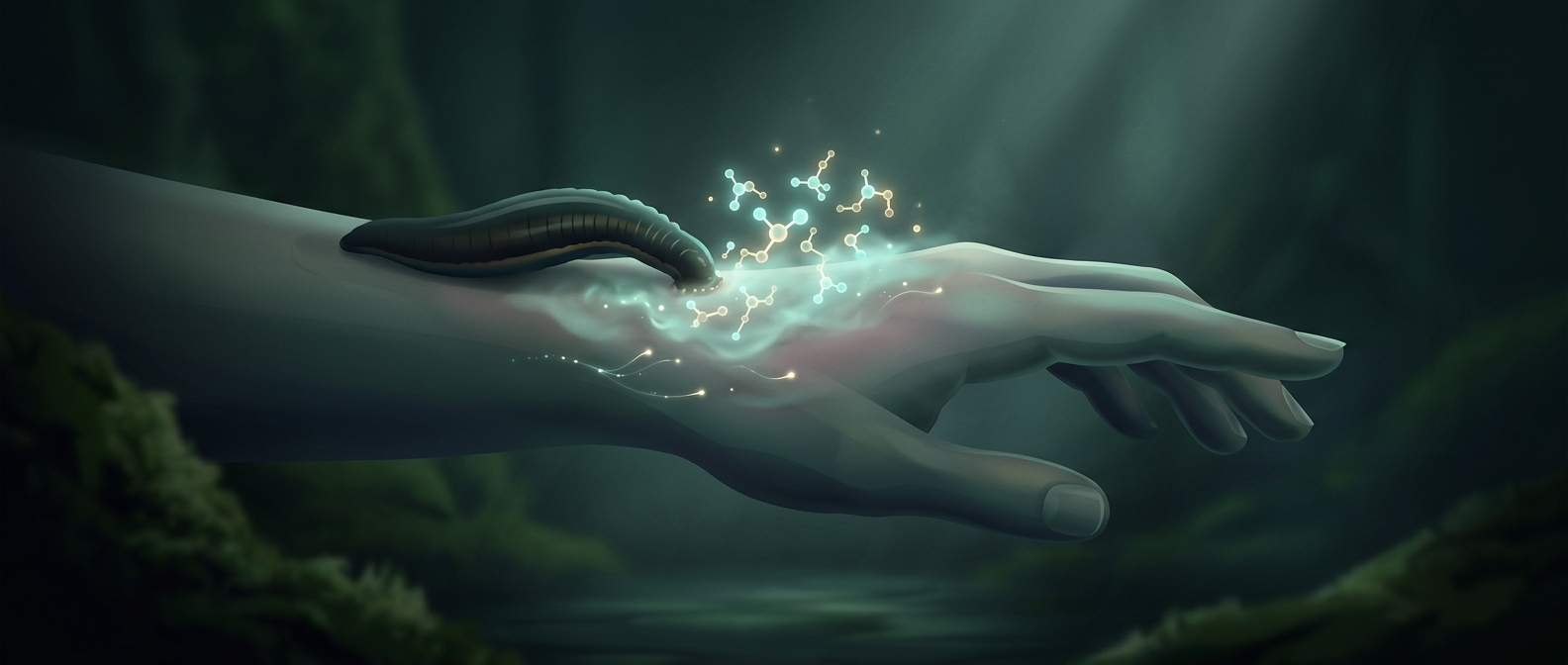
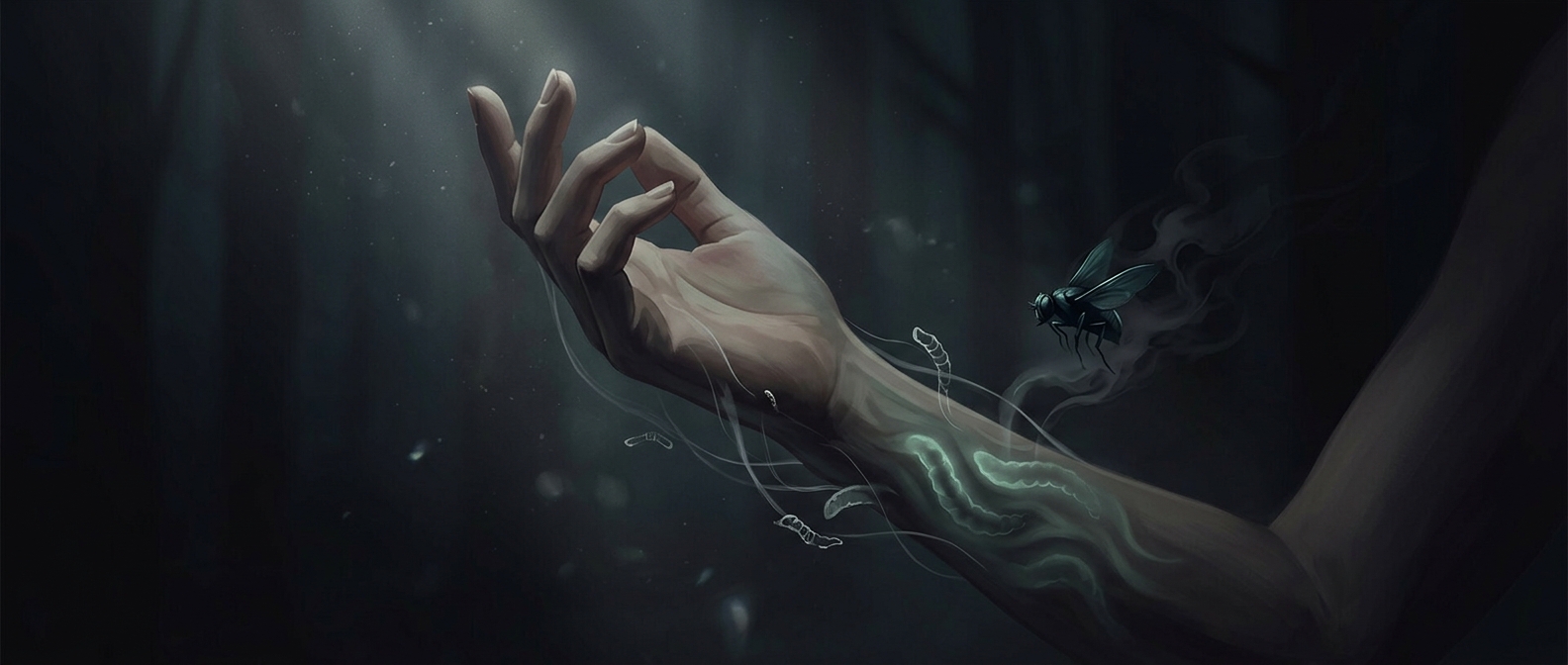
A mosquito does not pick up a mature worm from one dog and inject it into another. It takes in microscopic young worms, called microfilariae, while feeding on an infected animal. Inside the mosquito, they develop into a stage capable of infecting a new host. When the mosquito feeds again, these larvae reach the dog’s skin near the bite and enter through the small wound.
From skin to lung arteries
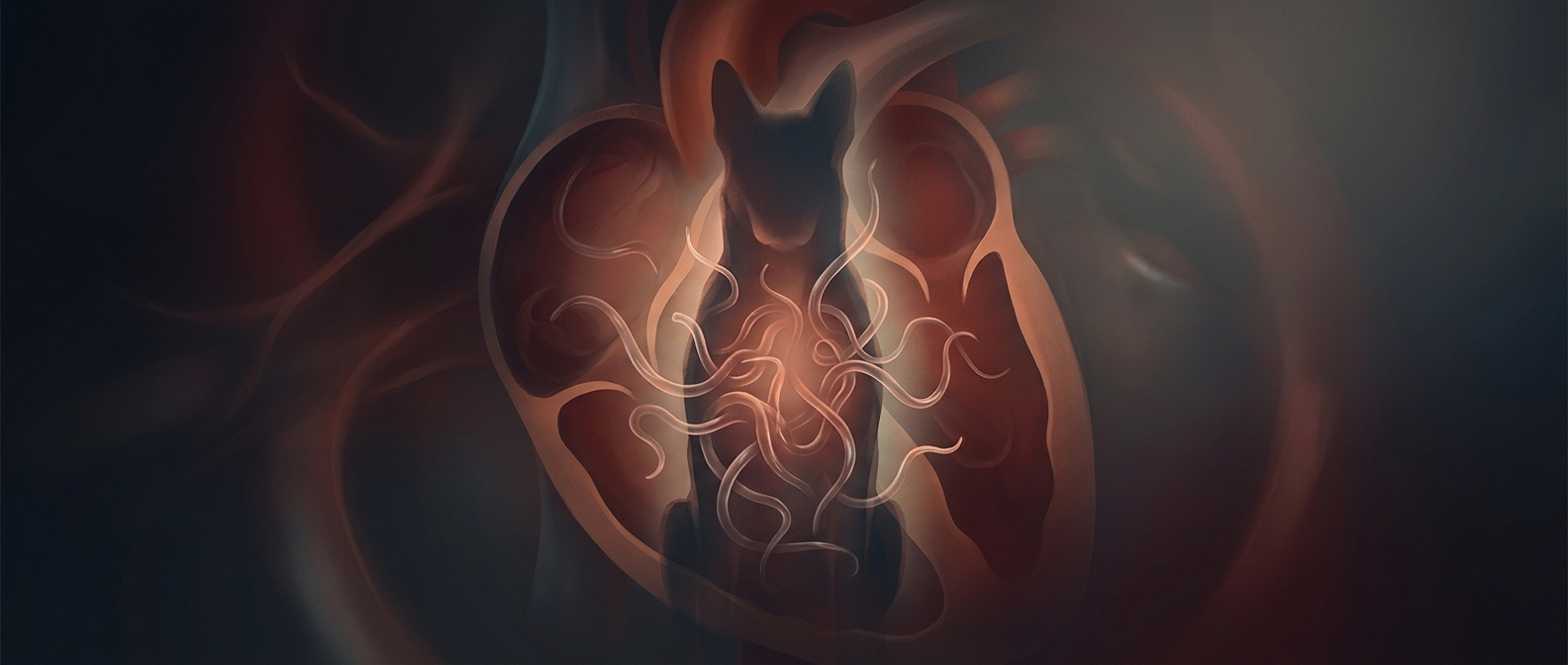
Once inside the dog, the larvae grow and move through tissues before reaching the blood vessels of the lungs. There, they mature into adult worms. The arteries that carry blood from the heart to the lungs are their usual home; the heart is involved most directly when a heavy infection allows worms to extend into its right side.
That location matters because the worms can obstruct blood flow and injure the vessels and lungs. The heart then has to work harder to push blood through damaged or narrowed arteries. In severe cases, the resulting strain can impair the heart itself.
Why the mosquito matters
The mosquito is more than a carrier: it provides the environment in which the young worms become infective. Without that developmental step, a dog cannot acquire heartworm simply by contact with an infected dog. The route also explains why prevention targets the early stages before they mature and settle in the lung arteries—long before the nickname “heartworm” becomes a literal description of a severe infection.