What happens when light hits a black surface
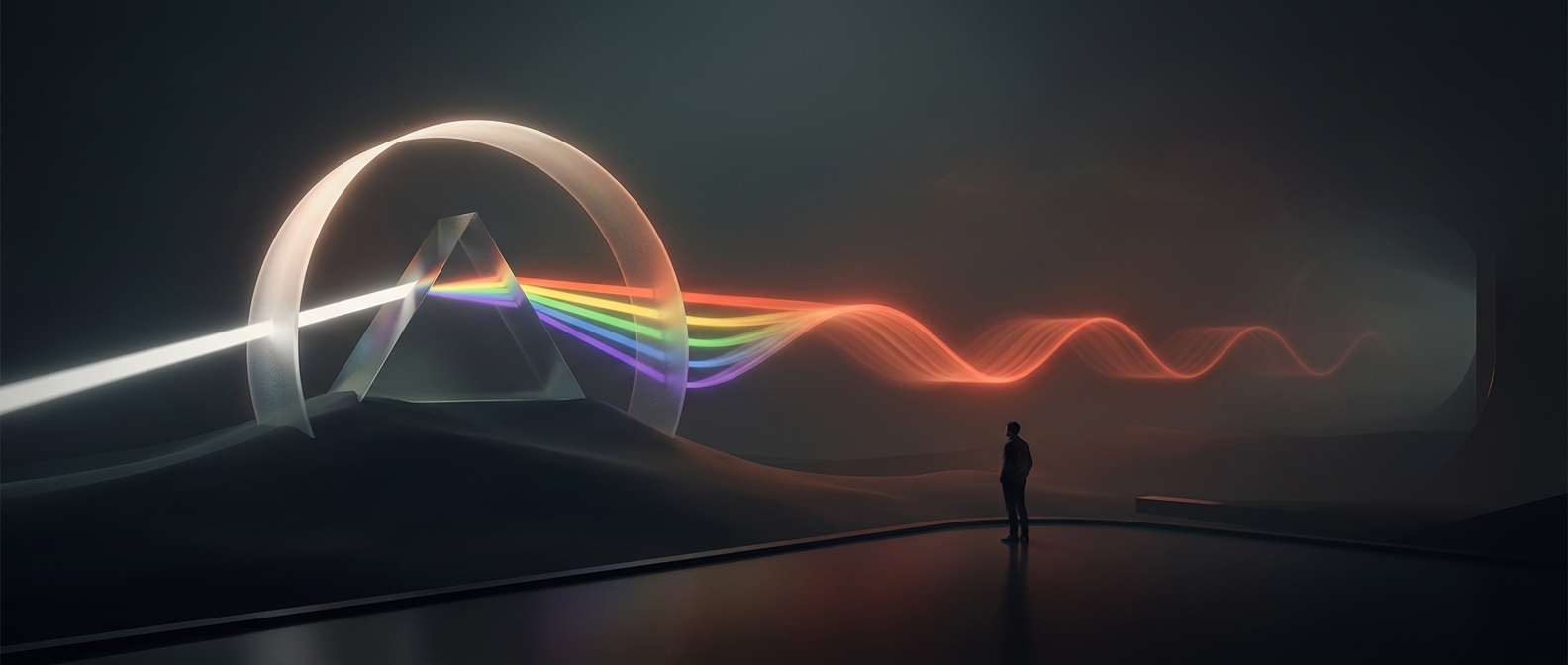
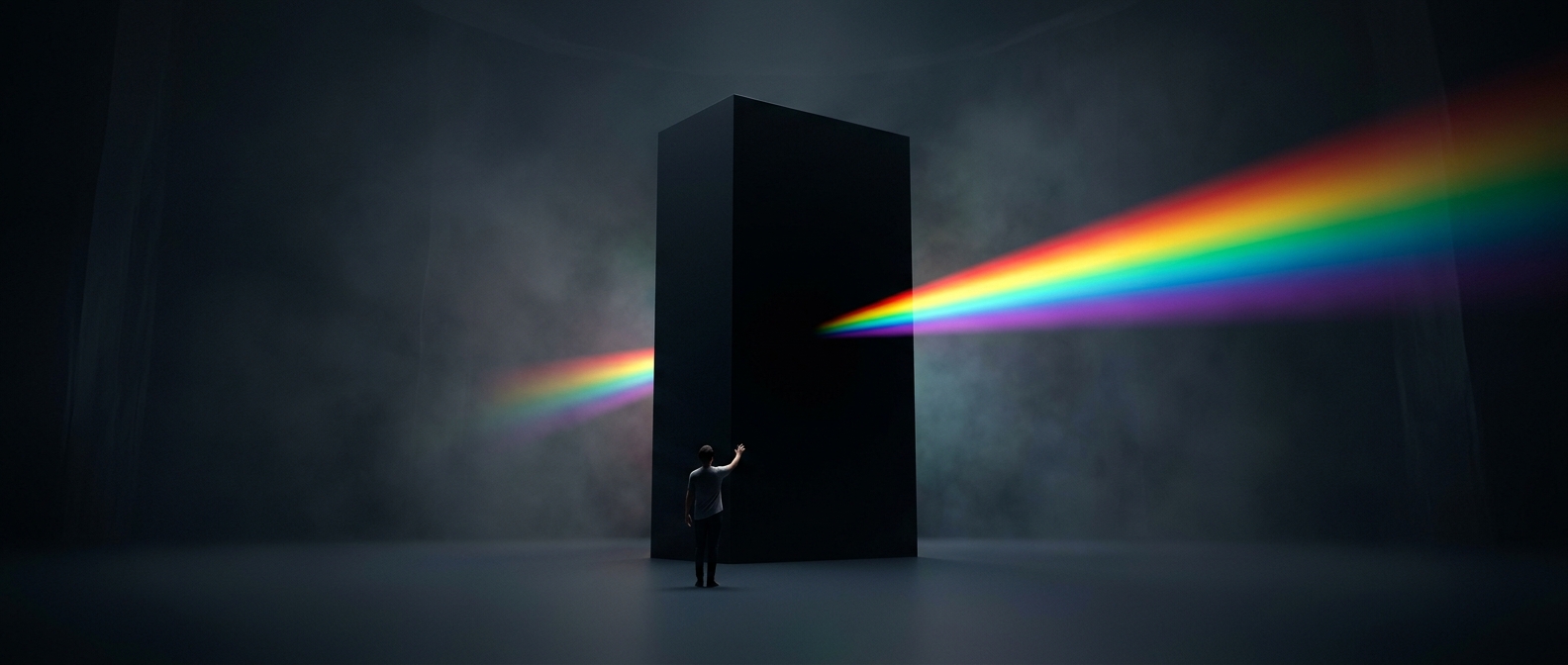
Visible light carries energy in different wavelengths, which we perceive as colors. When light reaches an object, some may bounce off, pass through, or be absorbed. A surface looks black when it reflects very little visible light toward your eyes; the light it does reflect may be too faint to register as a distinct color.
“Absorb all visible wavelengths” is an idealized description. Real black materials vary: some reflect a little light, and their appearance can change with texture, angle, and illumination. A matte black surface scatters light weakly back toward an observer, while a glossy black one can still show bright reflections from lamps or the sky.
From absorbed light to warmth
Absorbed light transfers energy to the material. That energy sets its atoms and molecules vibrating and moving more, raising the material’s temperature. The surface then gives energy back to its surroundings through processes such as warming nearby air and emitting infrared radiation, which is invisible to human eyes.
That is why a black shirt in direct sun can feel hotter than a light-colored one: the dark fabric generally reflects less incoming sunlight and absorbs more of it. The exact warmth also depends on the fabric, fit, airflow, and whether the shirt is in shade. Black does not create heat; it changes how much radiant energy the surface takes in.
Why black is not a light vacuum
A black object can still reflect light, and it can still be seen because some light reaches the eye from its surface or outlines it against its surroundings. Its darkness is a comparison: little visible light returns to the viewer, not necessarily none. In sunlight, that same low reflectance can turn an everyday color into a practical difference you can feel on your skin.