How water’s surface can support a paper clip
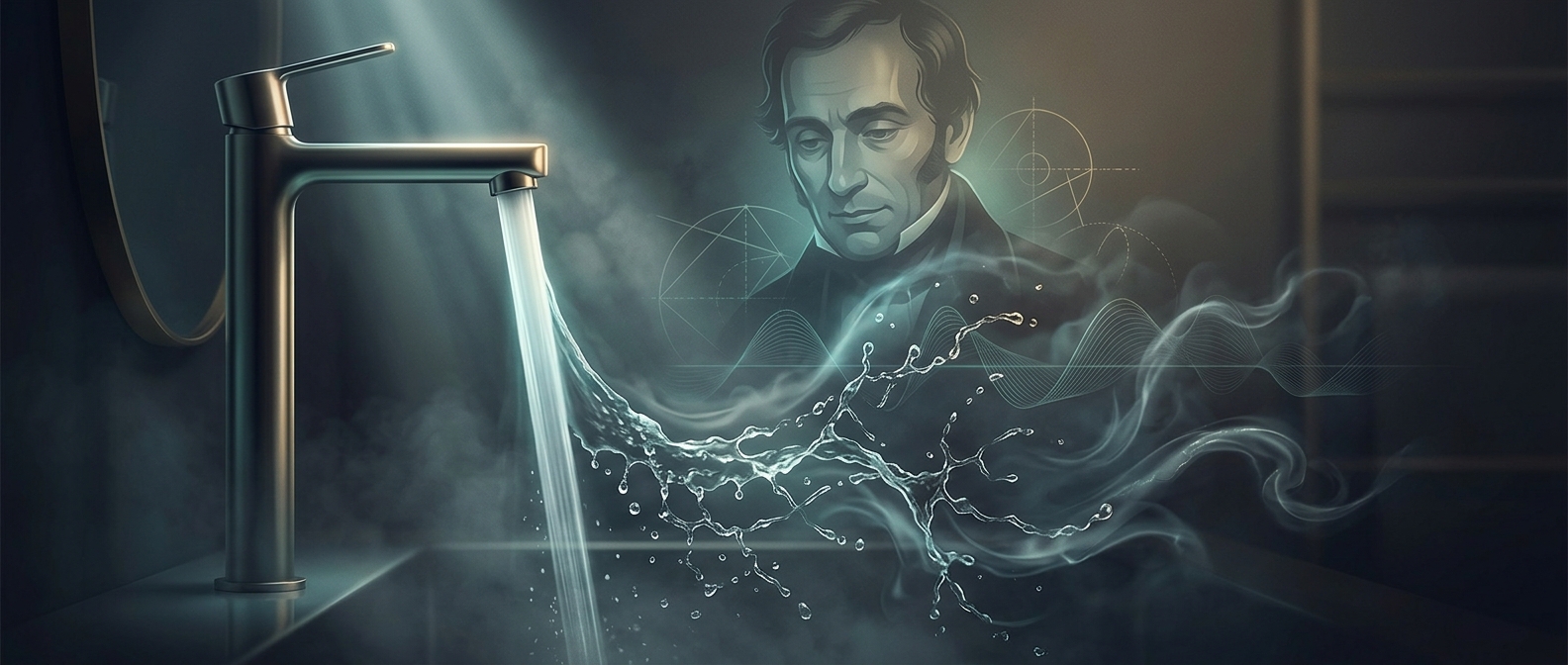
A paper clip is denser than water, but density alone does not determine whether it sinks. What matters is whether the clip can rest on the surface without breaking through it. Water’s surface behaves a little like a stretched membrane because molecules at the boundary are pulled inward by neighboring water molecules.
That effect, called surface tension, lets the surface resist small disturbances. If you lower a dry paper clip carefully, its weight presses down on the water, and the surface curves around the metal. The upward pull along that curved boundary can balance the clip’s weight—much as a taut fabric can support a small object without the fabric itself being rigid.
Why soap changes the outcome
Soap molecules interfere with the attractions between water molecules at the surface, reducing surface tension. The surface then resists bending less strongly. A clip that was supported by a carefully curved surface can break through it and sink.
The same principle explains why the result depends on how the clip is placed. Dropping it creates a splash and disrupts the surface; lowering it gently gives the water a chance to curve around the metal. The clip is not floating because steel has become lighter than water. It is being held at the boundary, where the surface’s pull can support it—until that delicate boundary is disturbed.