
A closer look
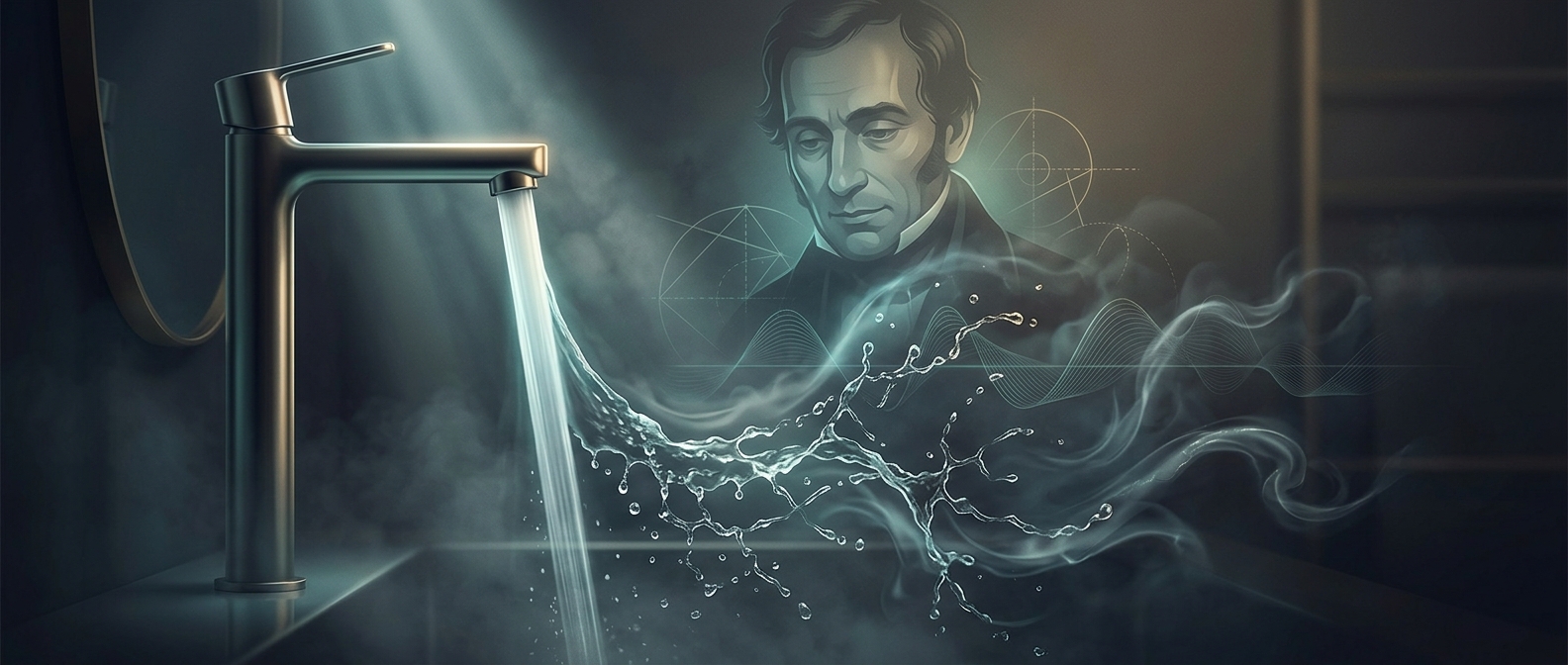
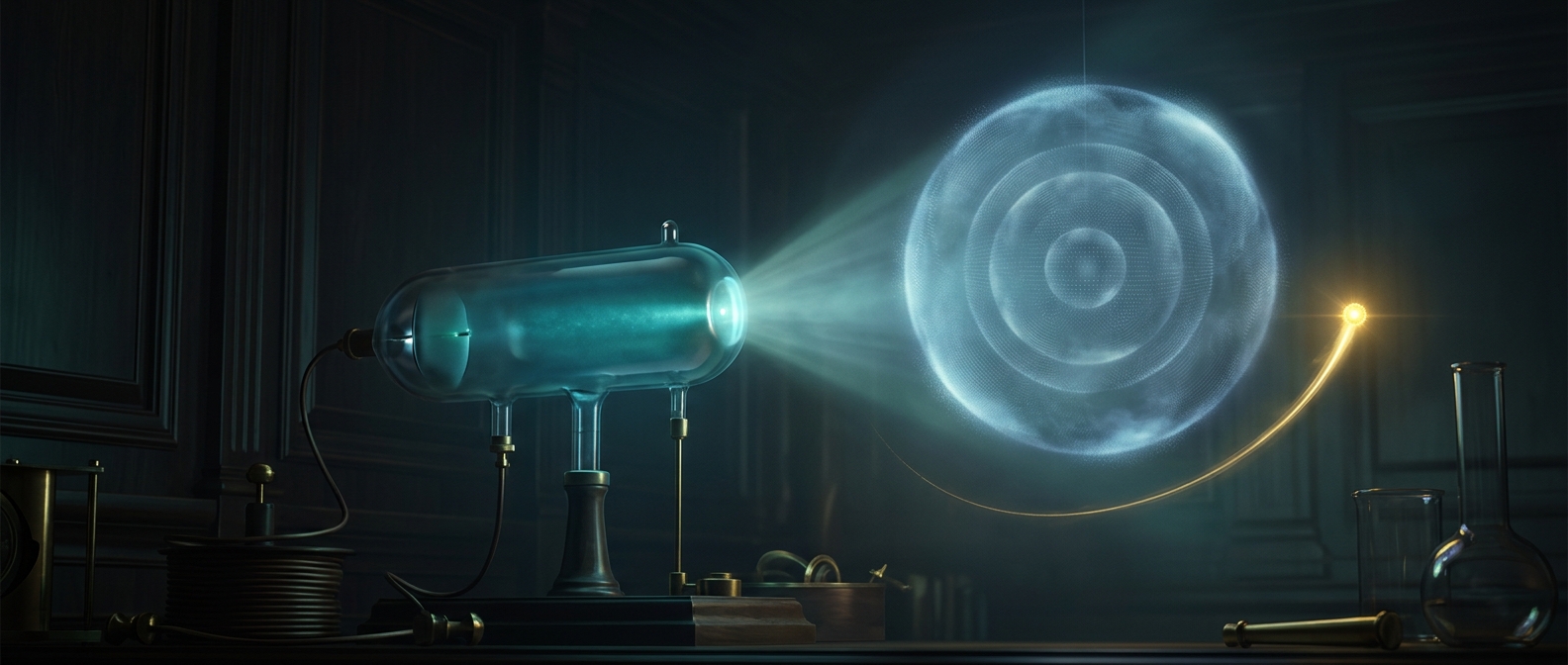
Osborne Reynolds looked at plumbing and saw absolute mathematical chaos. In 1883, he wanted to know exactly when a smooth, polite flow of liquid turns into a violent, churning mess. His setup was dead simple: a glass pipe with water flowing through it, and a needle injecting a thin, continuous line of ink. By tweaking the water's speed, he pinpointed the exact moment the straight line of ink violently shattered into swirling eddies. This experiment birthed the Reynolds number, a mathematical ratio still used today to predict whether fluid flowing over an airplane wing will be smooth sailing or a turbulent nightmare.