Turning atmospheric nitrogen into plant food
Air is mostly nitrogen, but its molecules are tightly bonded in pairs. Most plants cannot break that bond, so the nitrogen all around a field is not automatically available to crops. Plants instead need nitrogen in usable compounds to build proteins and other essential molecules.
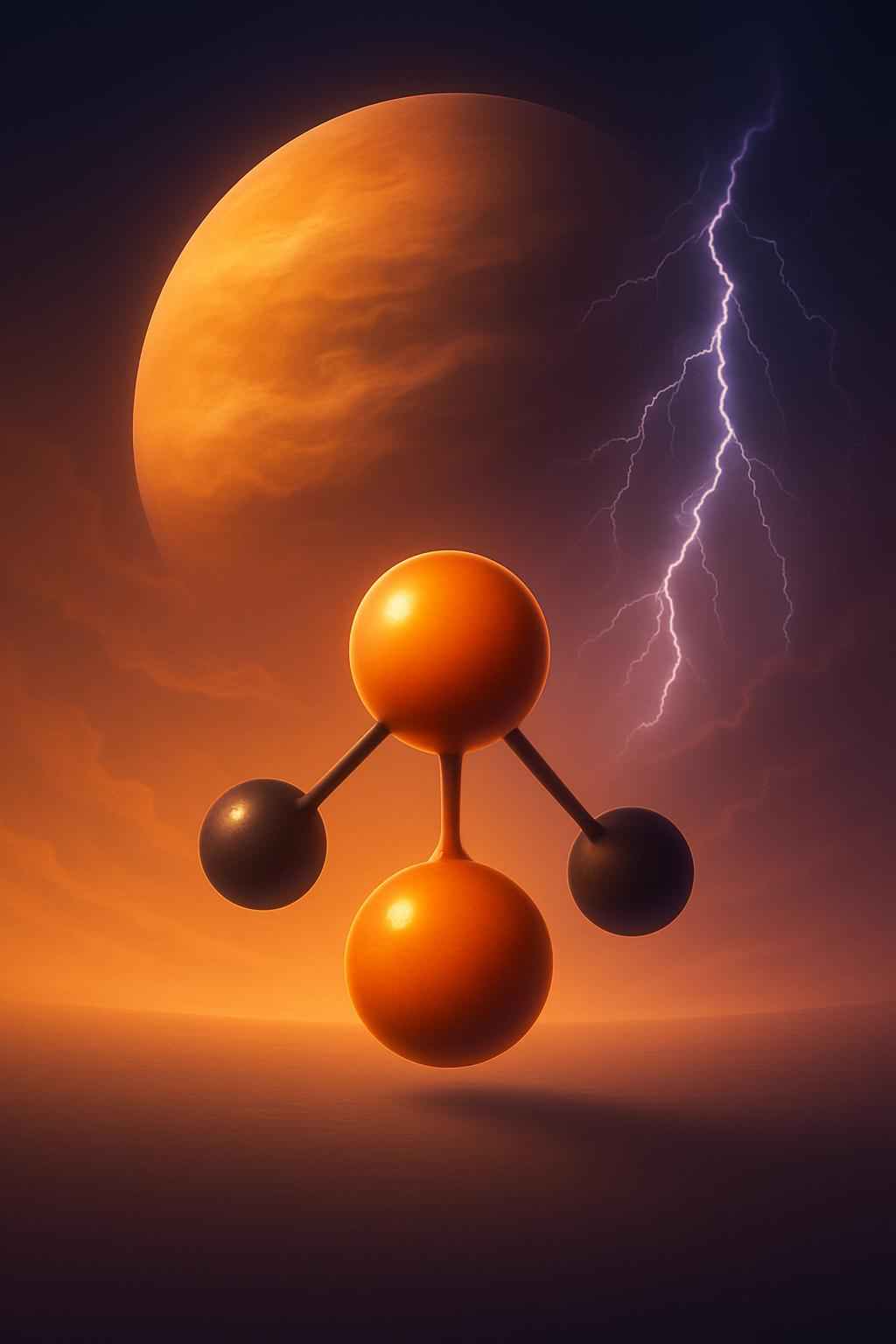
Fritz Haber’s process made ammonia by combining nitrogen from the air with hydrogen. The reaction is chemically straightforward to write down; making it work efficiently at industrial scale was the challenge. It requires high pressure and heat, along with a catalyst—a material that helps a reaction proceed faster without being consumed. Haber demonstrated the chemistry in the laboratory, and engineer Carl Bosch helped turn it into a large-scale industrial process.
A harvest changed by chemistry
Ammonia became a starting material for nitrogen fertilizers. Spread on fields, these fertilizers supply nitrogen in a form crops can absorb, allowing farmers to grow more food from the same land when other conditions, such as water and soil, are suitable.
That supply also changed farming’s dependence on natural sources of usable nitrogen. Before industrial ammonia, agriculture relied more heavily on sources such as manure and nitrogen-rich deposits. Making fertilizer in factories meant that crop nutrition could be produced on a vast scale—but it also tied food production to energy-intensive industry.
One chemist, two consequences
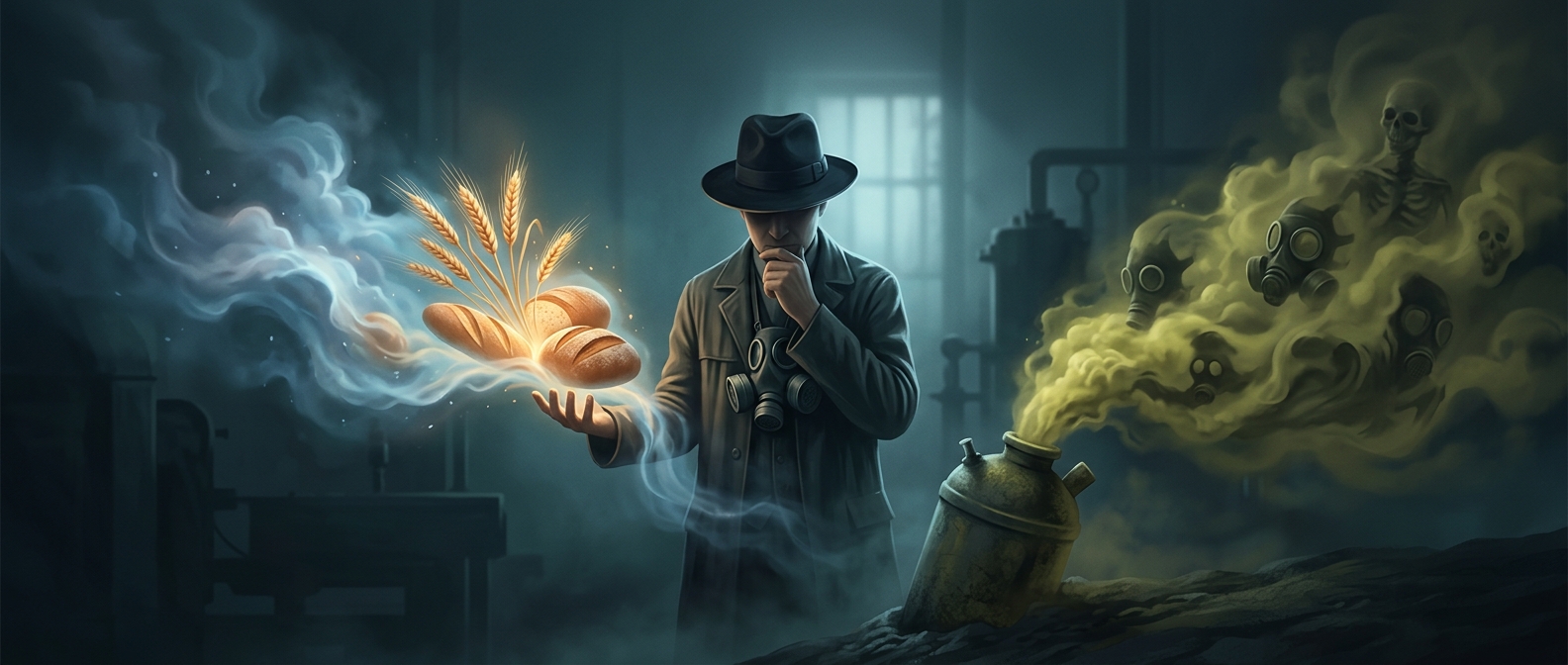
Haber’s work is remembered for a stark reason: the same chemist who helped make synthetic fertilizer possible later helped organize Germany’s chemical-warfare effort in World War I. The connection is not that fertilizer chemistry itself is poison gas. It is that scientific and industrial expertise can be put to profoundly different uses, with consequences reaching far beyond the laboratory.
The lasting paradox is practical as well as moral: a process that helps sustain enormous harvests also stands as a reminder that chemistry’s effects depend on what people choose to make with it.