A Bite Turns Sugar Into a Tiny Discharge
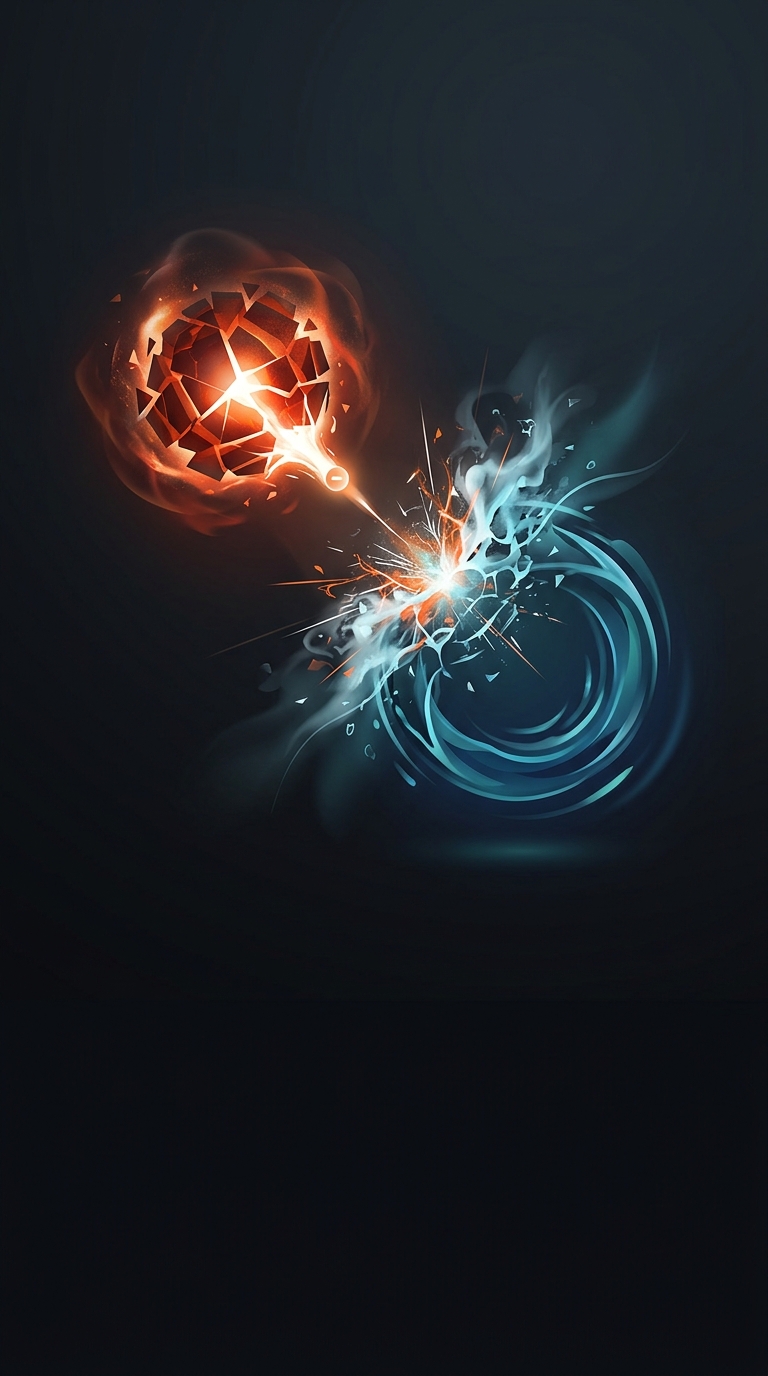
Hard wintergreen mints contain crystals of sugar. When you bite one, the crystals fracture and their surfaces can end up with different electrical charges. As those charges rapidly balance, a brief electrical discharge—much like a miniature spark—can occur. This effect is called fractoluminescence, light produced when a material breaks or is crushed.
The flash is extremely faint, and much of its energy is ultraviolet, a form of light human eyes cannot see. That is why a broken piece of ordinary sugar may produce a discharge without an obvious visible glow.
Wintergreen Makes the Flash Visible
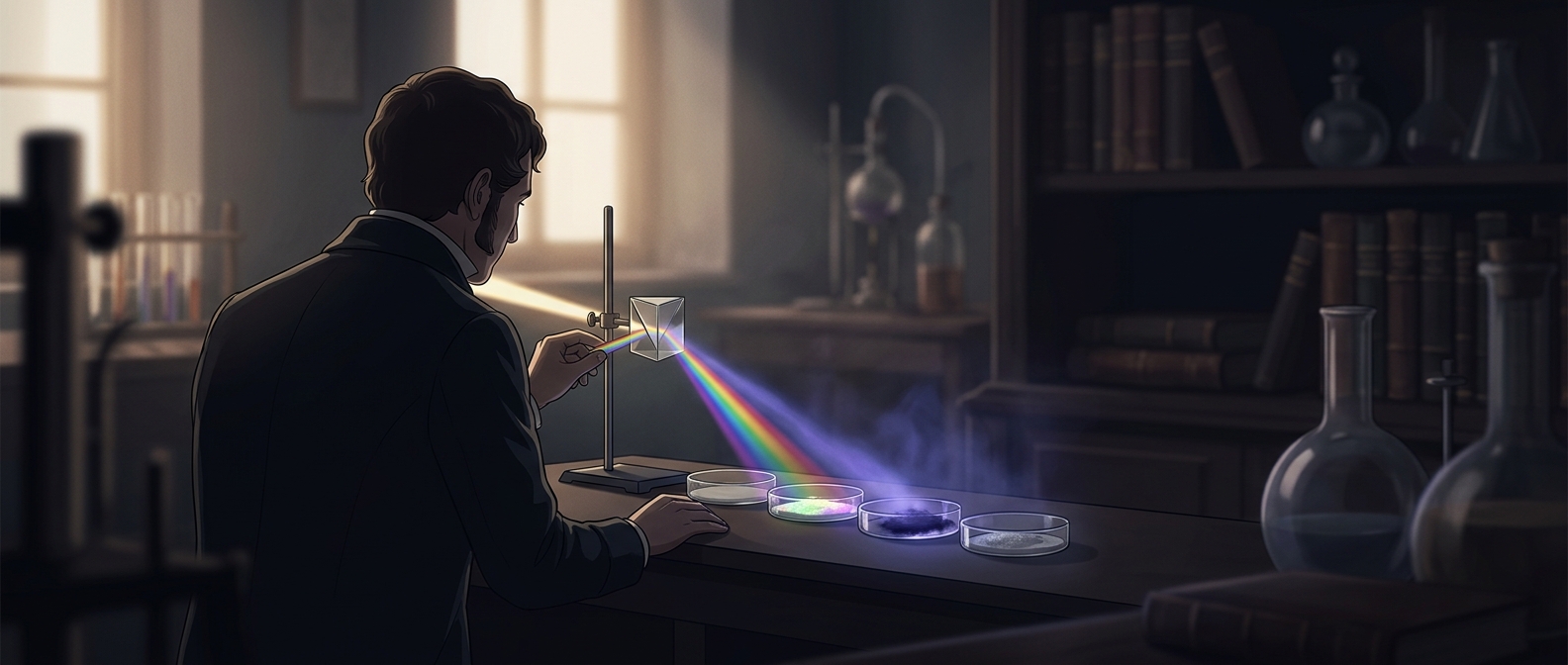
Wintergreen oil contains a chemical called methyl salicylate. It can absorb some of the ultraviolet light from the discharge and release that energy as visible blue light, a process called fluorescence. The oil acts like a converter: invisible ultraviolet goes in, visible light comes out.
That distinction explains why the mint’s ingredients matter. The bite supplies the mechanical force that cracks the crystals and helps create the discharge; wintergreen oil makes part of its otherwise hidden light visible. The mint is not generating a bright glow on its own.
Why Darkness—and a Camera—Help
The flash lasts only an instant, so bright surroundings can overwhelm it. In a dark room, your eyes have a better chance of catching the blue glimmer. A camera can make it easier to observe: filming the bite in darkness and reviewing the footage may reveal flashes too quick or dim to notice in real time.
The memorable part is the chain of events packed into one crunch: broken sugar creates a discharge, and a flavoring turns some invisible light into a visible spark.