When the satellite reading looked impossible
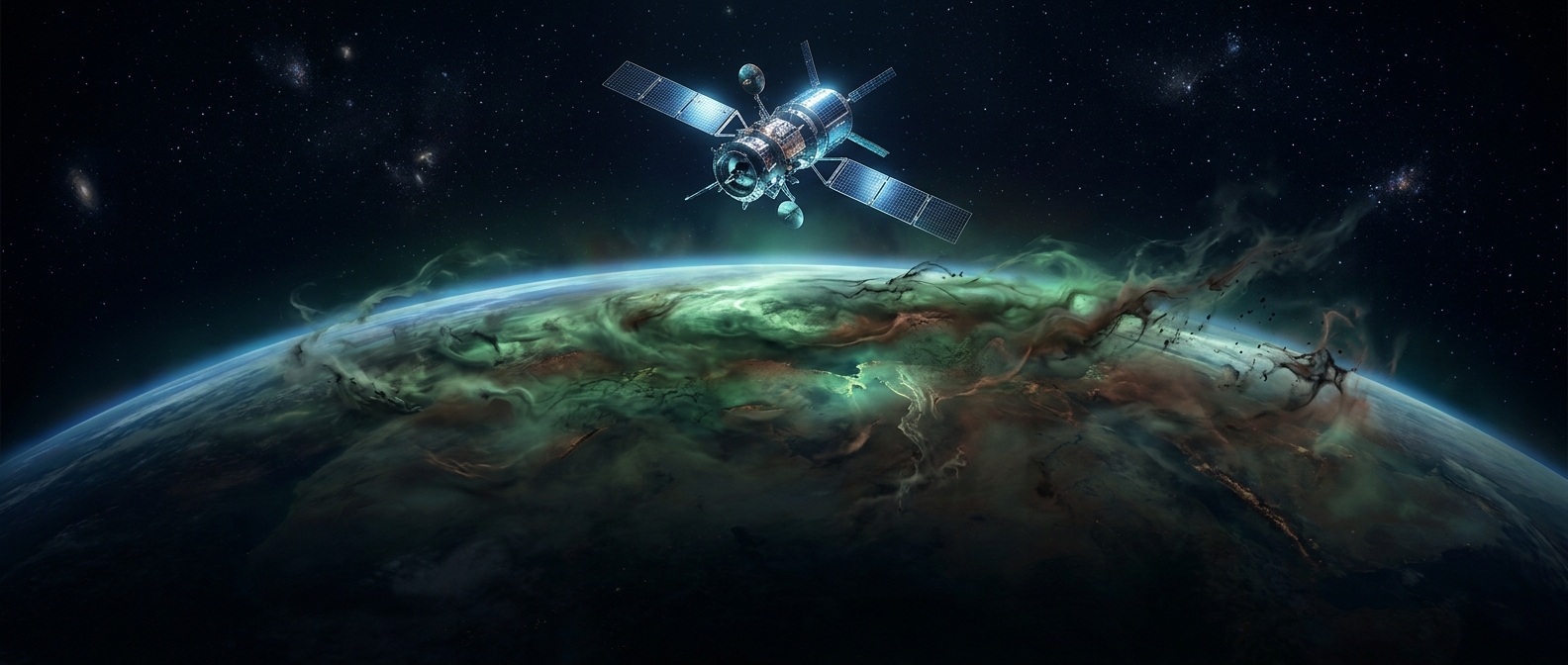
Satellites measure ozone indirectly. Instruments observe how much ultraviolet light passes through the atmosphere; because ozone absorbs much of that light, the signal can be used to estimate how much ozone lies above a location. The result is a map assembled from many individual readings—not a photograph of the ozone layer.
That process depends on checks for faulty measurements. In the Antarctic data, extremely low readings fell outside the range the automated system considered plausible. The filter treated them as errors, so the values did not appear in the maps scientists routinely examined. The measurements had been recorded; their interpretation as bad data kept them from being noticed.
Ground measurements changed the question
Researchers measuring ozone from the ground in Antarctica found a severe seasonal decline. That observation gave scientists a reason to revisit the satellite records rather than assume the lowest values were instrument failures. When they examined the data without the same restrictive screening, the satellite measurements showed the depletion across a much larger area.
The contrast mattered: a ground instrument could establish that ozone was dropping at a particular observing site, while satellite coverage revealed the geographic scale of the change. Each kind of measurement helped make sense of the other.
A safeguard can hide an exception
Automated filters are useful because satellites produce vast quantities of data, including readings corrupted by noise or instrument problems. But a filter must draw a line between plausible and implausible values. If that line is based too narrowly on what scientists expect to see, a genuine extreme can resemble a malfunction.
The Antarctic case did not show that quality checks are unnecessary. It showed why unusual results need a route back to human review—especially when independent measurements point in the same direction. The readings that looked least believable turned out to be the ones that revealed how far ozone levels had fallen.