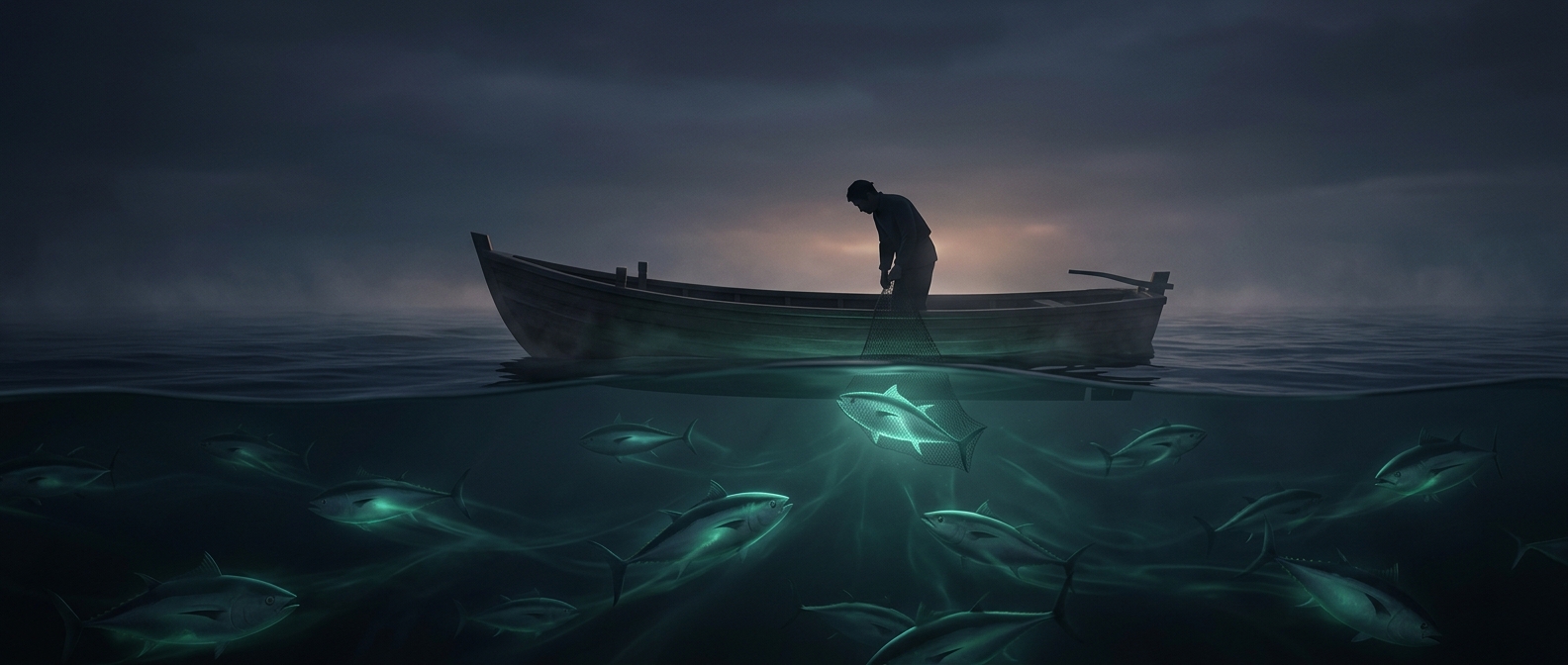
When fallout came down on a fishing boat
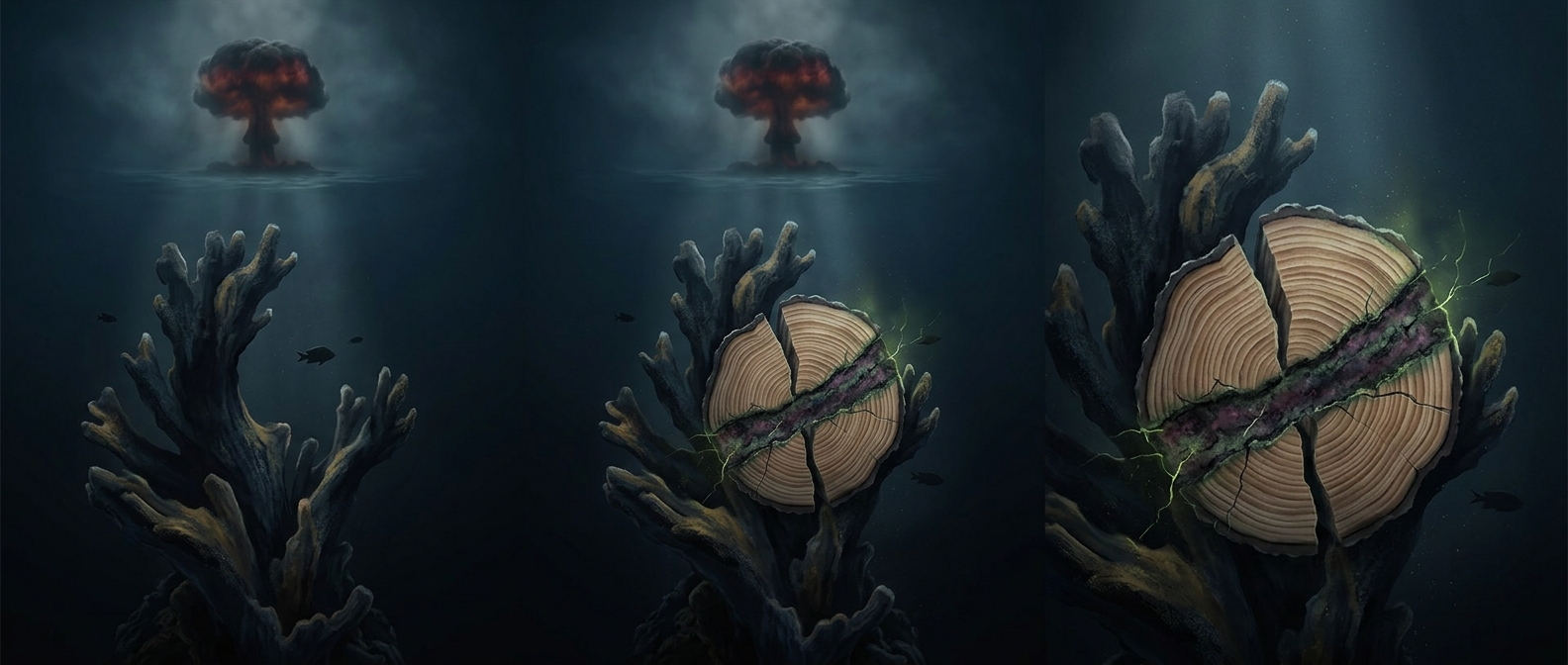
On March 1, 1954, the United States tested a thermonuclear weapon at Bikini Atoll in the Pacific. The blast scattered radioactive debris—fine particles of vaporized coral and other material—far beyond the test site. The Japanese fishing boat Daigo Fukuryu Maru, or Lucky Dragon No. 5, was outside the declared danger area, but fallout settled on its deck and crew. The men handled the dust and breathed it in; exposure continued as the particles contaminated their boat and equipment.
How a distant blast reached the food supply
Radioactive particles can travel through the environment and settle on seawater, boats, and marine life. The crew’s catch was found to be radioactive, turning an invisible hazard into a direct concern for anyone buying fish. The fishermen became ill with acute radiation sickness, and radio operator Aikichi Kuboyama later died.
The incident mattered in Japan not only as a case of radiation exposure but as a threat to an everyday food. Tuna catches and shipments were tested, and fish suspected of contamination could be kept out of markets or discarded. That made the danger tangible: a nuclear test thousands of miles away could affect fishermen’s health, unsettle consumers, and disrupt the trade in a staple food.
Why the fear spread
Radiation cannot be detected by sight, smell, or taste, so consumers could not judge a fish’s safety for themselves. News of contaminated catches therefore fed a broader “tuna panic,” even as testing sought to identify which fish posed a risk. The episode made the ocean feel less like a barrier protecting Japan from a distant weapons test and more like a route by which its consequences could reach the dinner table.