stackyFACTS
Science

Your dog’s nose print is its fingerprint

HERE’S THE INTERESTING PART

Humans have fingerprints; dogs have nose ridges. The bumps, lines, and creases on a dog's wet snout are completely distinct to that individual animal. Some kennel clubs and registries even use ink nose prints to definitively identify lost or stolen dogs. Your golden retriever essentially stamps a legally binding biometric signature on your windows every time a squirrel passes by.

Your dog’s nose print is its fingerprint
STACKY / Science
One discovery leads to another.

Keep exploring facts in this topic.

Science →
STACKY FOR IPHONE

A bigger world.
One discovery
at a time.

Keep discovering with Stacky. Interesting facts in an app that is always within reach.

Download on the App Store
ONE MORE DISCOVERY?

Keep exploring

All in this topic →
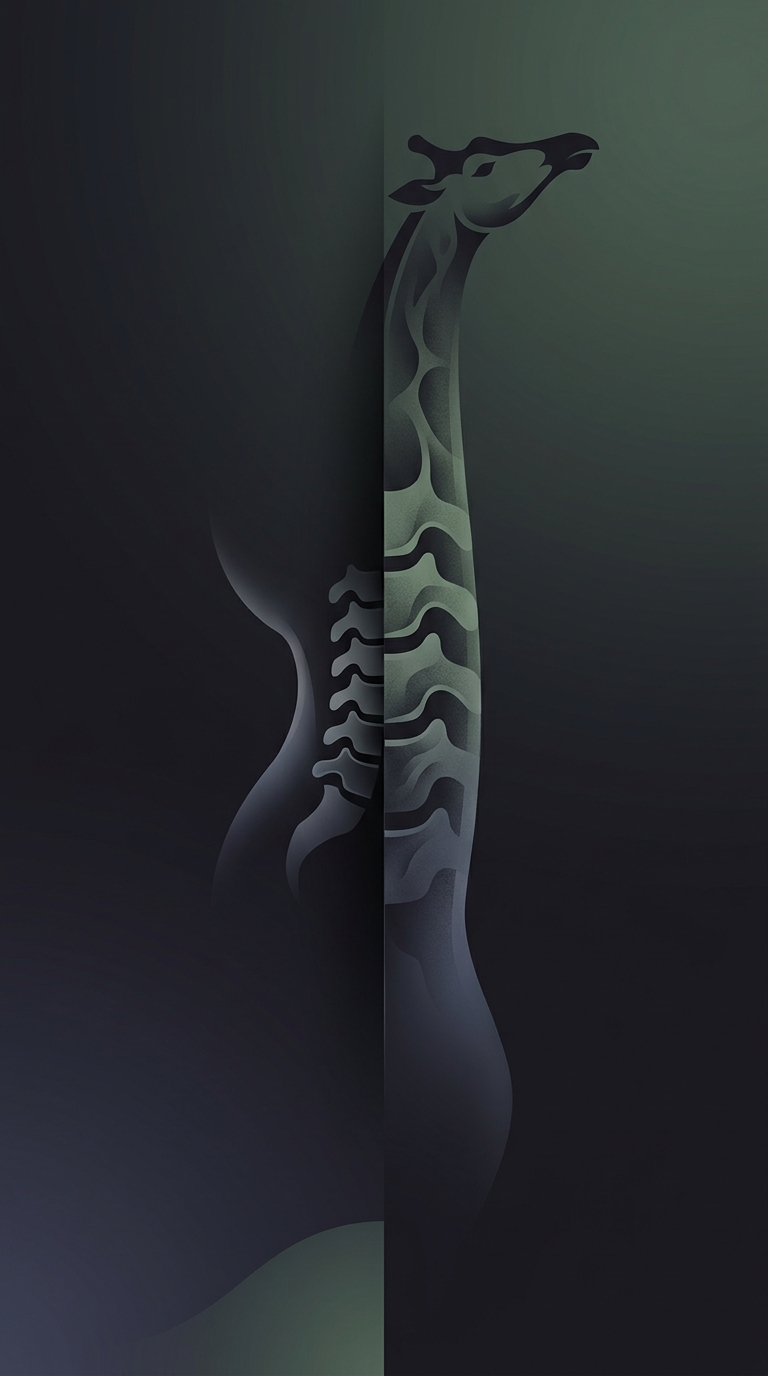
Giraffes have the exact same number of neck vertebrae as humans do, they are just stretched out to an absolutely ridiculous length.
Science

Giraffes have the exact same number of neck vertebrae as humans do, they are just stretched out to an absolutely ridiculous length.

Giraffes have the exact same number of neck vertebrae as humans do, they are just stretched out to an absolutely ridiculous length. Both species have seven…

Discover more
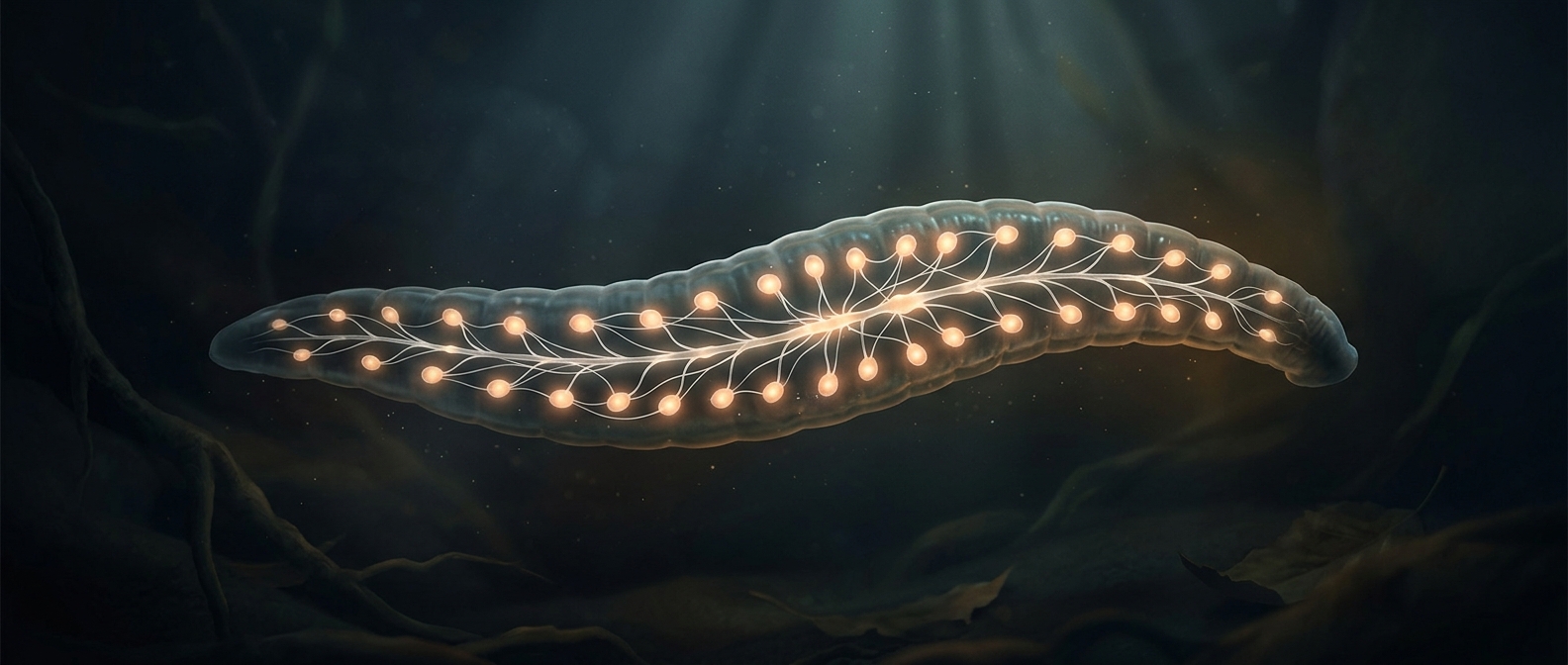
A leech has 32 brain compartments
Science

A leech has 32 brain compartments

You would think drinking blood wouldn't require a high IQ, yet leeches are neurologically absurd. Their internal nervous system is divided into 32 distinct…

Discover more
Goats have rectangular pupils that provide them with a spectacular 320-degree field of vision, allowing these grazing prey animals to spot approaching predators from almost any…
Science

Goats have rectangular pupils that provide them with a spectacular 320-degree field of vision, allowing these grazing prey animals to spot approaching predators from almost any…

Goats have rectangular pupils that provide them with a spectacular 320-degree field of vision, allowing these grazing prey animals to spot approaching…

Discover more
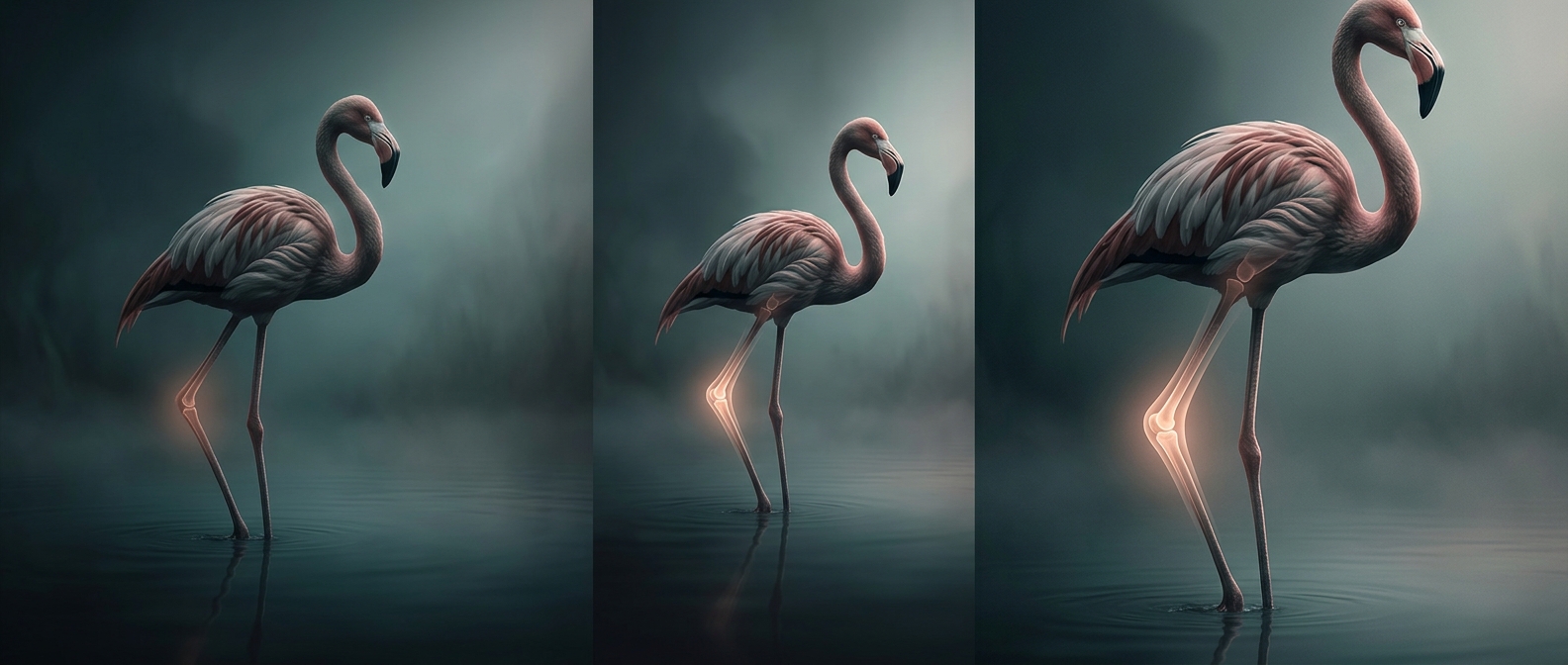
Flamingos’ knees are hiding under their feathers
Science

Flamingos’ knees are hiding under their feathers

Everything you thought you knew about these aggressive pink lawn ornaments is an anatomical lie. What humans assume is a flamingo's backward-bending knee is…

Discover more
Why elephants can't jump
Science

Why elephants can't jump

Jumping generally requires highly flexible ankles and a lightweight frame, both of which elephants firmly rejected in favor of sheer immovable mass. Their…

Discover more
How giraffes keep blood from flooding their brains
Science

How giraffes keep blood from flooding their brains

Having a neck that absurdly long comes with a very serious risk of instant cranial explosion. To pump blood all the way up to a giraffe's head requires a…

Discover more
StackyMore discoveries in the app
Download on the App Store