How an Octopus Coordinates Eight Arms
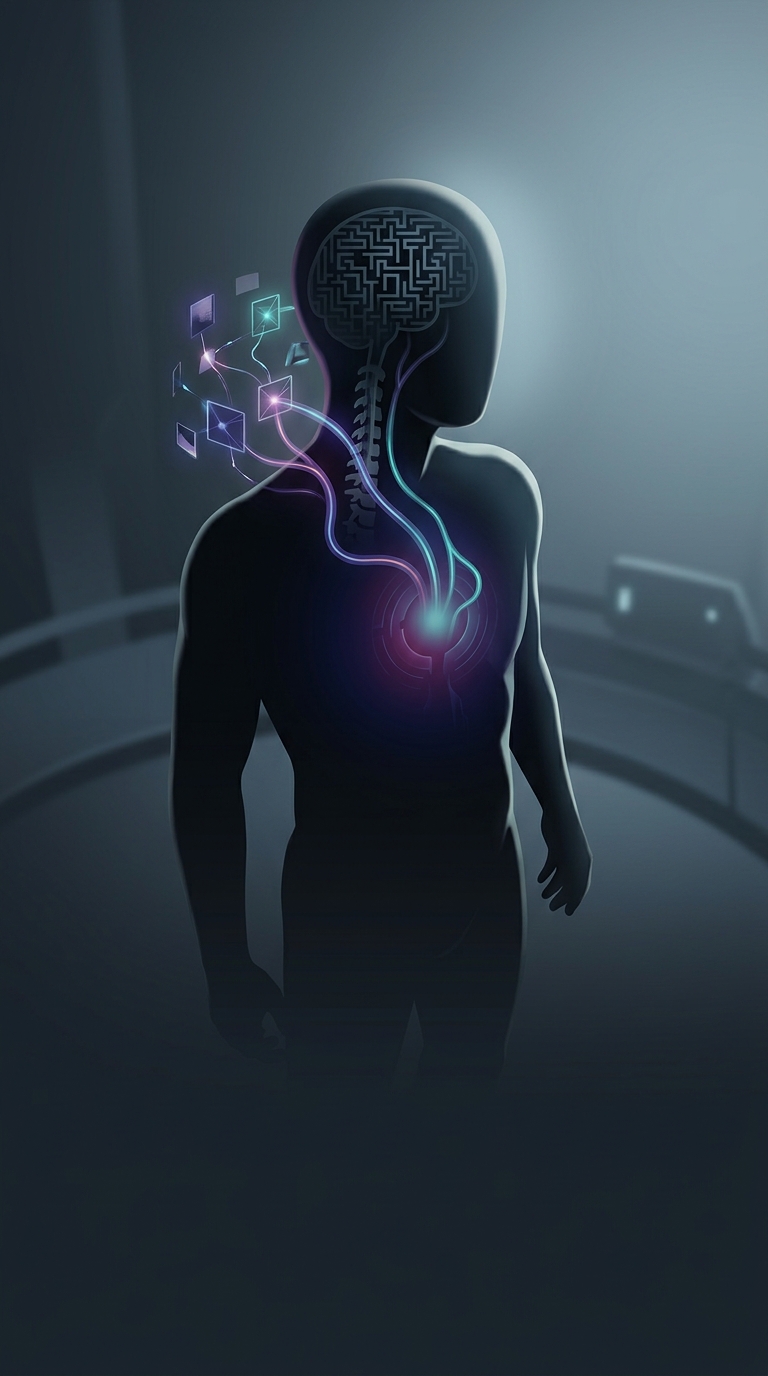
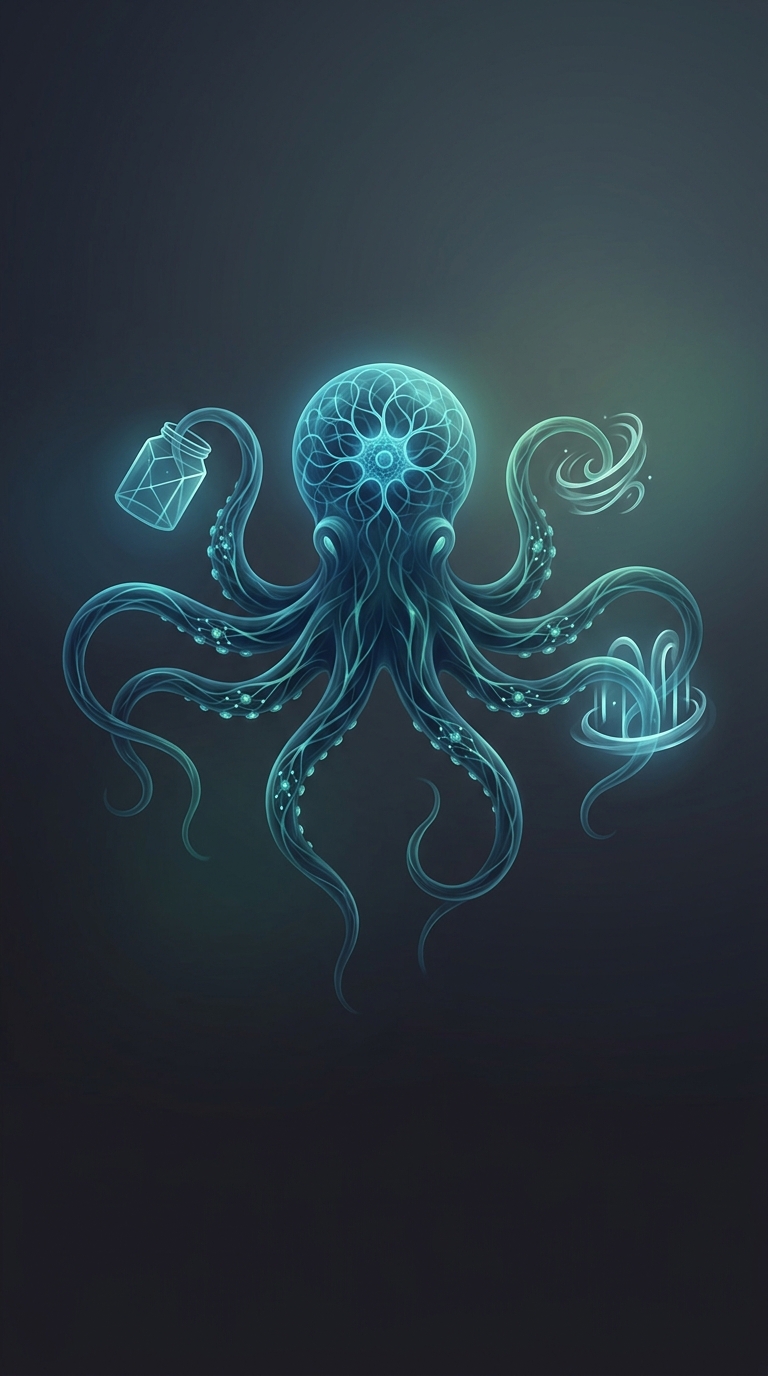
An octopus does not have nine brains in the same sense that a person has one. Its central brain connects to a large nerve center in each arm. These centers can handle many local signals and movements, giving each arm considerable independence while keeping it part of the animal’s larger nervous system.
Local Control, Whole-Body Goals
An arm constantly encounters new information: touch, resistance, and the shape of whatever it reaches. Its nerve center can help coordinate nearby actions in response, rather than requiring the central brain to direct every small bend and grip. This is useful for an animal whose flexible arms can move in many directions and whose suckers can gather information through contact.
The central brain still matters. It helps organize the broader task—such as approaching a container and trying to open it—while the arm’s local circuitry manages much of the close-up work. The arrangement is not a set of eight fully separate minds; it is a division of control between local processing and whole-animal coordination.
Why That Division Matters
Picture an octopus investigating a jar. One arm can feel along the surface and manipulate the lid while the animal’s other arms maintain contact with the jar or explore its surroundings. Local control helps the working arm respond to what it feels as the task unfolds; central coordination keeps that activity connected to the animal’s overall effort.
That balance is the striking part: the octopus can distribute the details of movement across its arms without turning them into independent animals. Its nervous system makes a coordinated whole out of limbs that do much of their own sensing and adjusting.