stackyFACTS
Science

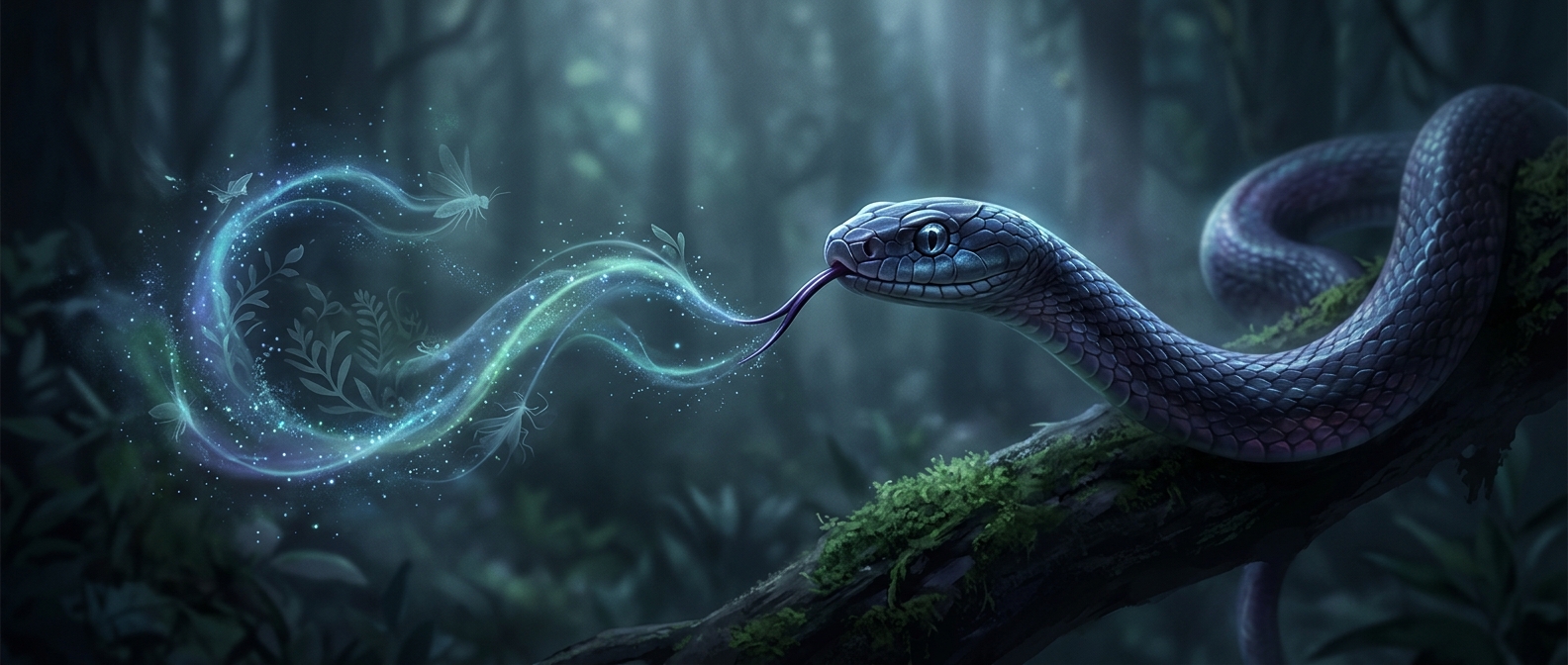
Why snakes keep flicking their tongues

HERE’S THE INTERESTING PART

They are not just trying to look highly menacing for the cameras. Snakes use their constantly flicking tongues to grab scent particles out of the air, pulling them back into a specialized sensory receptor in the roof of their mouth. The fork actually helps them determine which direction the smell of a terrified rodent is coming from.
Why snakes keep flicking their tongues
STACKY / Science
One discovery leads to another.

Keep exploring facts in this topic.

Science →


STACKY FOR IPHONE

A bigger world.
One discovery
at a time.

Keep discovering with Stacky. Interesting facts in an app that is always within reach.

Download on the App Store
ONE MORE DISCOVERY?

Keep exploring

All in this topic →
Can dogs smell when you're coming home
Science

Can dogs smell when you're coming home

Your golden retriever does not have a watch, but they have a nose that acts like a highly sophisticated temporal tracking device. Throughout the day, the…

Discover more
Science

California swell sharks secretly transform the dark blue ocean depths into an intense neon light show by using uniquely specialized skin molecules to absorb ambient ocean blue…

While we build neon signs, sharks have been hosting underground raves for millions of years. Deep underwater, all warm colors fade away, leaving only…

Discover more
Meerkats recognize one another by voice
Science

Meerkats recognize one another by voice

Forget nametags, meerkats run their desert societies through strict auditory verification. Each member of a meerkat mob possesses a completely unique vocal…

Discover more
Brown rats can tread water for more than three days
Science

Brown rats can tread water for more than three days

Flushing them down the toilet is essentially just giving them a free water park pass. The remarkably resilient brown rat can tread water for over three days…

Discover more
Soricidae, specifically the red-toothed shrew, undergo a bizarre seasonal process called Dehnel's phenomenon where they literally shrink their own skulls and brain mass by up to…
Science

Soricidae, specifically the red-toothed shrew, undergo a bizarre seasonal process called Dehnel's phenomenon where they literally shrink their own skulls and brain mass by up to…

Soricidae, specifically the red-toothed shrew, undergo a bizarre seasonal process called Dehnel's phenomenon where they literally shrink their own skulls and…

Discover more
Opossums do not make a conscious decision to play dead when confronted by a predator, but instead enter a completely involuntary, stress-induced comatose state that they have absolutely zero control over.
Science

Opossums do not make a conscious decision to play dead when confronted by a predator, but instead enter a completely involuntary, stress-induced comatose state that they have absolutely zero control over.

Opossums do not make a conscious decision to play dead when confronted by a predator, but instead enter a completely involuntary, stress-induced comatose…

Discover more
StackyMore discoveries in the app
Download on the App Store