When looking became part of the itinerary
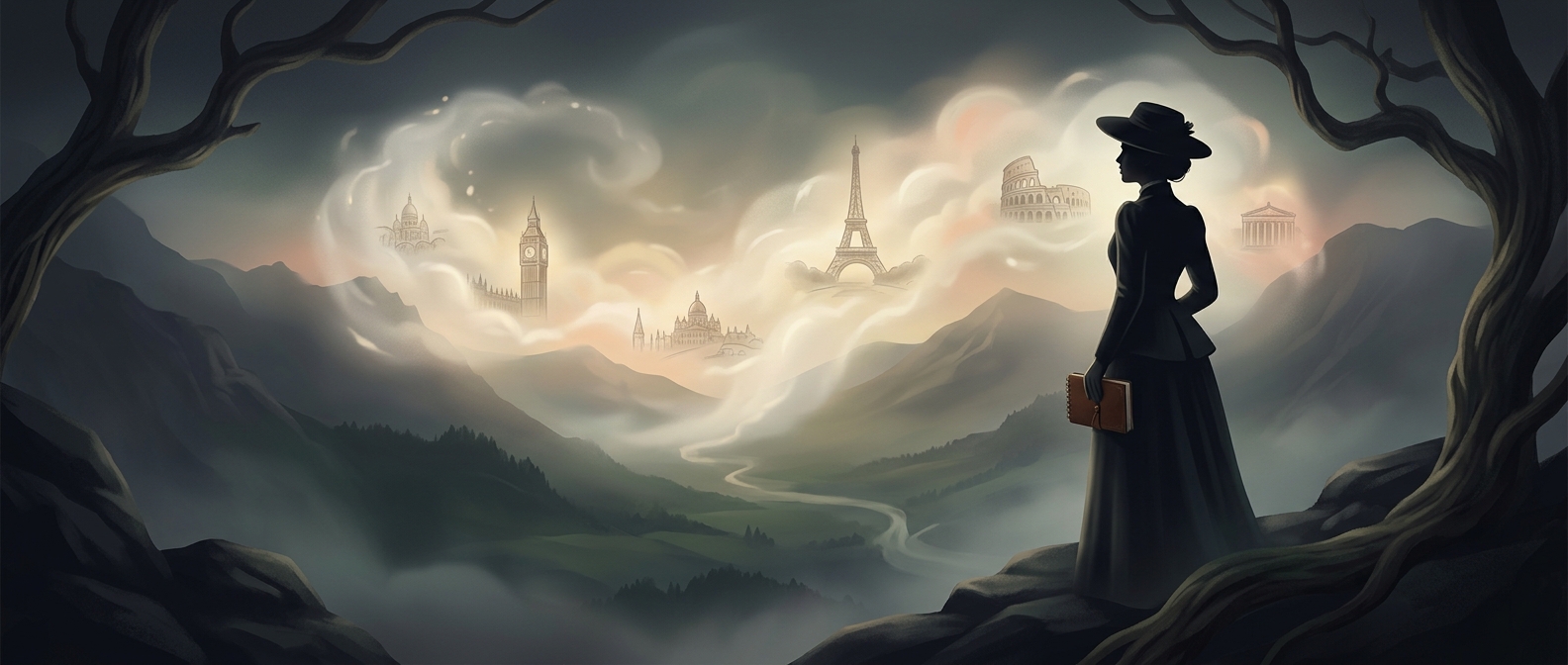
The rise of sightseeing reflected a change in what a journey was for. For much of the past, travel was shaped by work, trade, religion, or necessity; seeing a place’s notable buildings and views might happen along the way, but it was not always the trip’s main purpose. In the 19th century, more people with time and money to spare could travel for pleasure, making the act of looking around a distinct activity worth naming.
A new way to organize a visit
As travel became more accessible, visitors needed ways to decide what to see and how to fit it into a limited stay. Landmarks became stops on an itinerary rather than incidental scenery. Guides, tours, and familiar routes helped turn an unfamiliar city into a sequence of recognizable sights: arrive, visit, look, and move on.
The word sightseeing captures that shift by joining the object—sights—with the activity of seeking them out. It suggests a traveler who is not simply passing through, but deliberately collecting views and places as part of the experience.
From arrival to experience
That distinction helped reshape travel itself. A destination could be valued not only as a place to reach, but as a set of things to see once there. The modern tourist itinerary, with its named landmarks and planned stops, grew from this idea: the journey’s purpose could include the looking, not just the arrival.