One interface, many generations
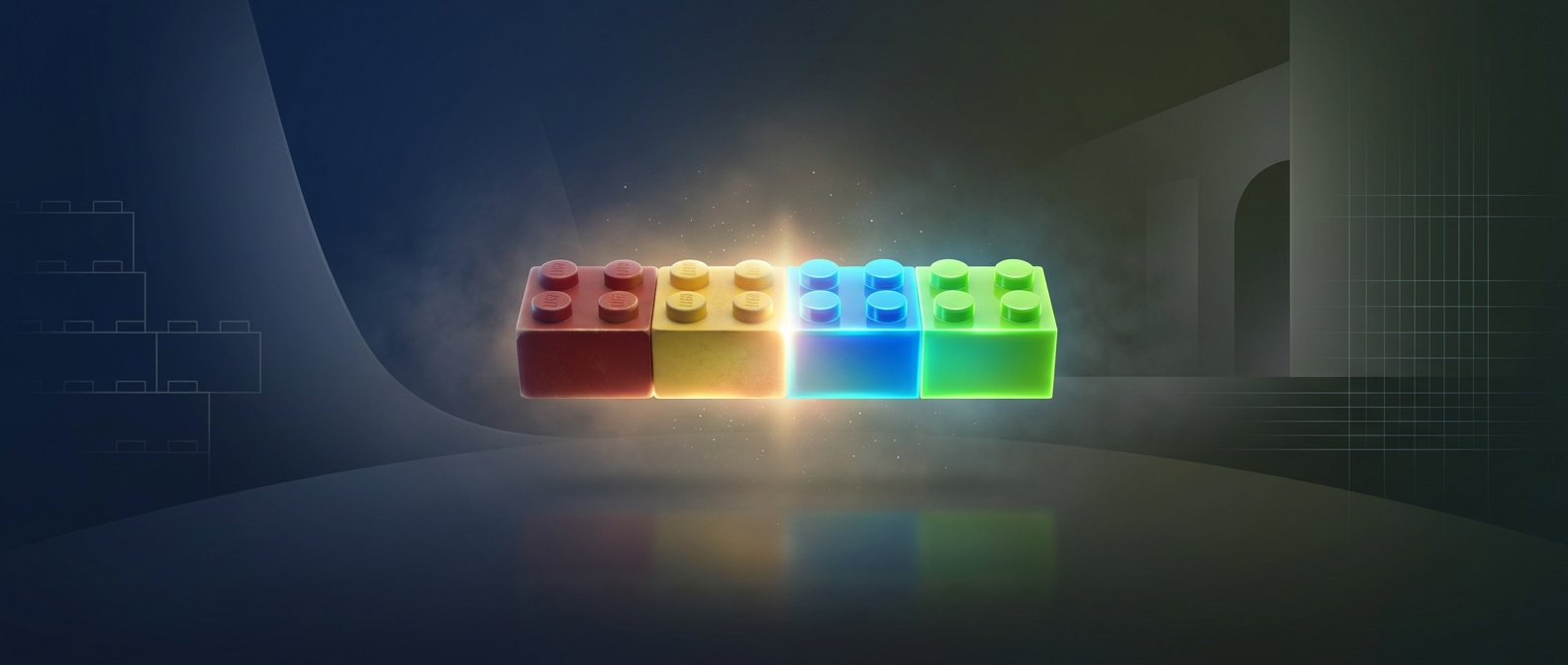
A LEGO brick is part of a system, not a stand-alone toy. Once the brick-and-stud connection was established, keeping its key dimensions consistent meant new pieces could join old ones. Designers could add shapes and colors without making earlier collections obsolete.
That consistency depends on manufacturing tolerances: the small range of variation allowed around a part’s intended size. If the fit varies too much, a brick may wobble or grip so tightly that it is difficult to pull apart. The dimensions must be controlled closely enough for the connection to feel reliable across millions of pieces.
The plastic changed; the fit endured
The bricks from 1958 were made from a different plastic than modern LEGO bricks. Changing material meant the company had to preserve the connection’s performance, not merely copy the brick’s outline. The plastic must flex slightly as pieces press together, then hold them through friction without making the joint permanent.
That continuity turns compatibility into a design constraint: every new generation has to work with the geometry that came before. A brick from the past can therefore become a usable part of a new build—not because the sets are identical, but because their shared connection has endured.