From drilling residue to a usable ointment
In the 19th century, oil workers encountered a waxy residue that built up around drilling equipment. It could help keep machinery moving, but in its crude state it was an uneven mixture of petroleum compounds, grit, and other contaminants—not a preparation suitable for skin.
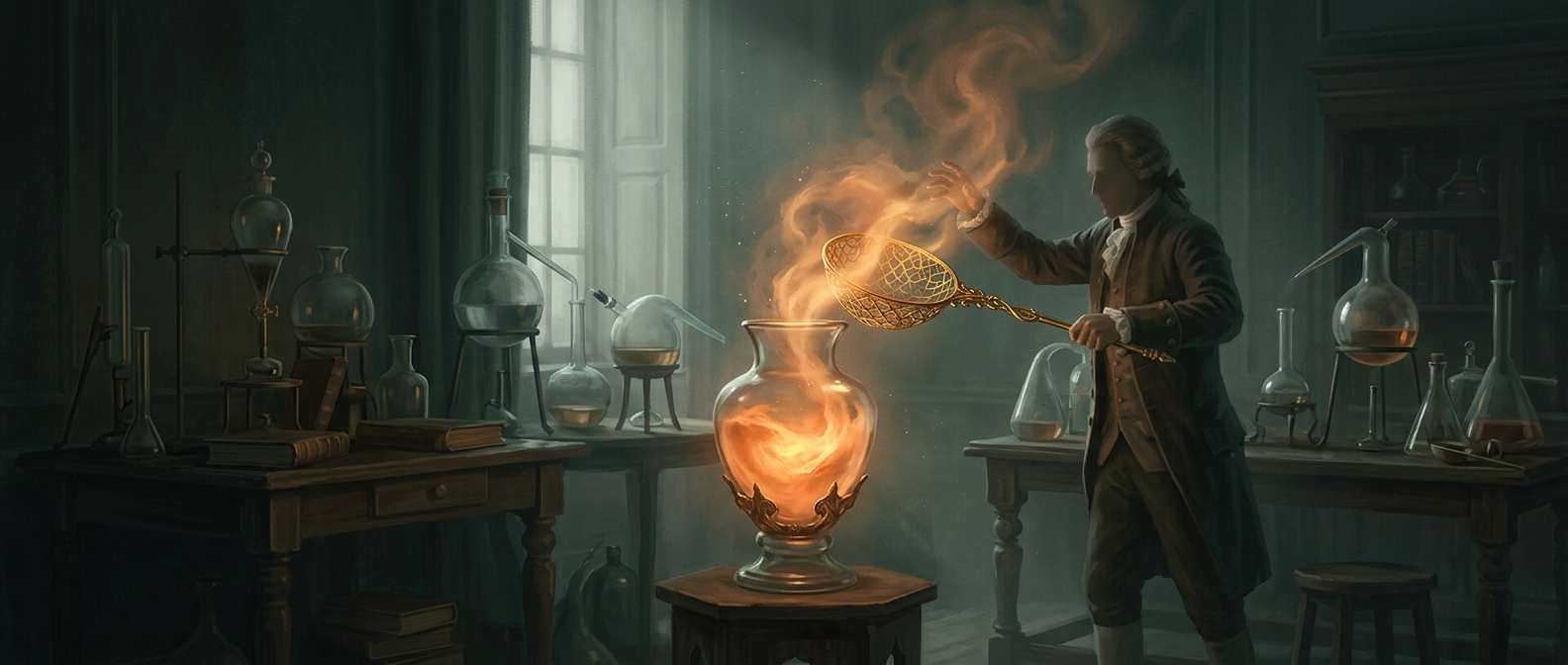
Robert Chesebrough saw potential in the material and developed a way to purify it. The key was not simply collecting the residue, but separating and cleaning the useful petroleum jelly from the unwanted material.
Why purification changed the product
Petroleum jelly is made mostly of hydrocarbons, molecules composed of hydrogen and carbon. In a purified ointment, those compounds form a stable, greasy barrier. Spread on skin, the barrier slows water loss and shields the surface from moisture and friction. It does not work by soaking deeply into the skin; its usefulness comes largely from staying on top.
Crude drilling residue could not provide that predictable texture or cleanliness. Refining removed debris and undesirable components, leaving a smoother, clearer material that could be applied consistently. That transformation—from a variable industrial byproduct to a purified, standardized substance—is what made petroleum jelly practical as a household skin protectant.
The important change was control
The story is less about putting oil directly on skin than about making a material reliable through processing. A residue that was useful around machinery became a familiar ointment only after impurities were removed and its texture was made consistent. The jar’s smoothness is evidence of that work: the product people recognize is not the sludge, but the refined material left after it.