How a Fixed Picture Could Wear Into a CRT
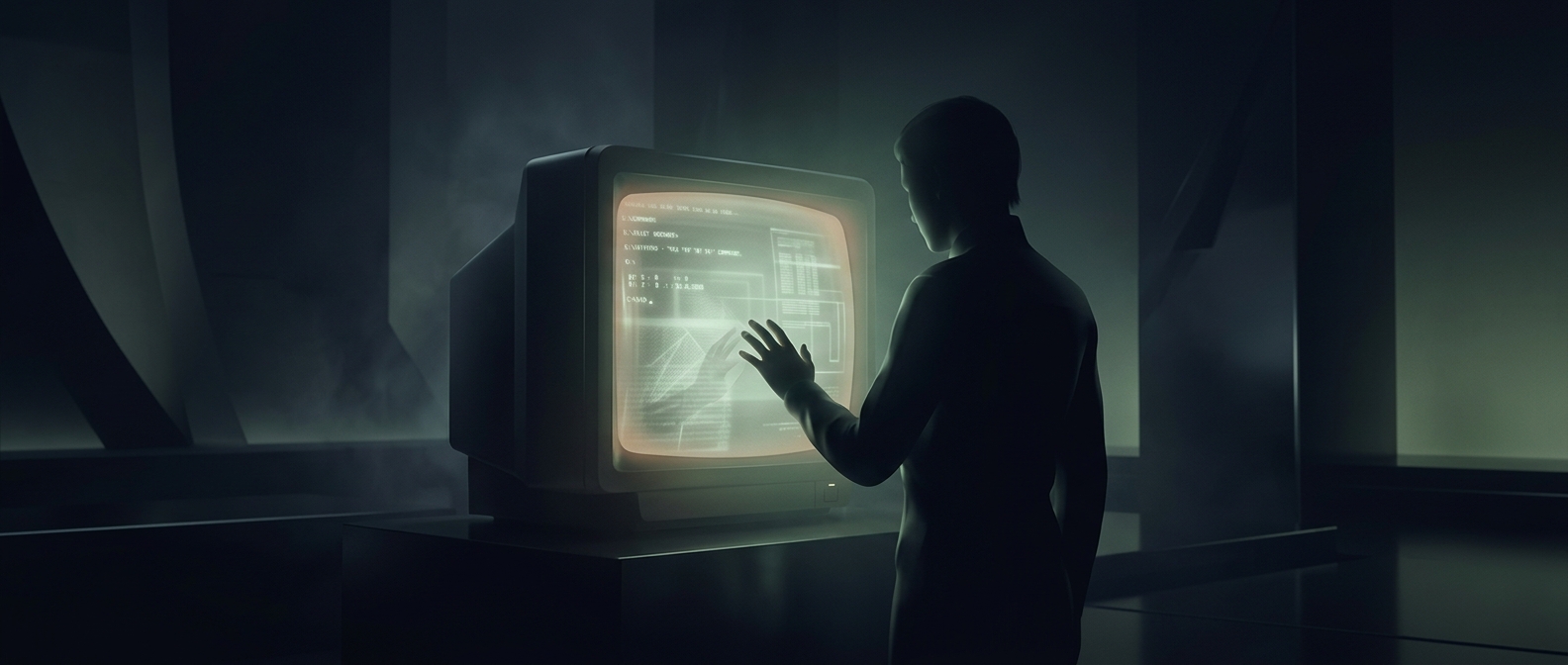
A cathode-ray tube (CRT) draws an image with electron beams that sweep across the screen in rows. The beams strike phosphor, a coating that gives off light when energized. Each point is refreshed many times a second, but a bright, unchanging feature—such as a logo or menu bar—keeps exciting the same phosphor areas more intensely than the rest.
Over long periods, those areas can lose brightness faster. The result is uneven wear: even after the original picture disappears, its outline may remain faintly visible against other images. This is called burn-in, though the screen is not literally burning.
Why Movement—or a Blank Screen—Helped
A screen saver interrupted the pattern. By moving shapes or changing the image, it spread intense use across different parts of the phosphor coating instead of continually favoring the same spots. A blank screen went further: with no picture to draw, the electron beam stopped exciting the phosphors, reducing wear while the computer was idle.
The protection depended on what the saver did. A tiny animation that left most of the display unchanged could still let fixed bright areas wear unevenly; turning the display blank was the more direct way to avoid that exposure.
The name outlasted the problem. On many modern displays, the underlying technology and risks differ, but a screen saver can still serve as an idle-screen display or a way to hide what is on screen. Its original practical job was simpler: keep a stationary picture from being written into the screen by repeated use.