Why the Blackbird needed titanium
At the SR-71’s extraordinary speed, the air around the aircraft was compressed and heated as it flowed over the skin. That heat made ordinary aircraft materials a poor fit: aluminum, widely used in planes, loses strength as its temperature rises. Titanium alloys offered a valuable combination of relatively low weight and the ability to withstand much hotter conditions.
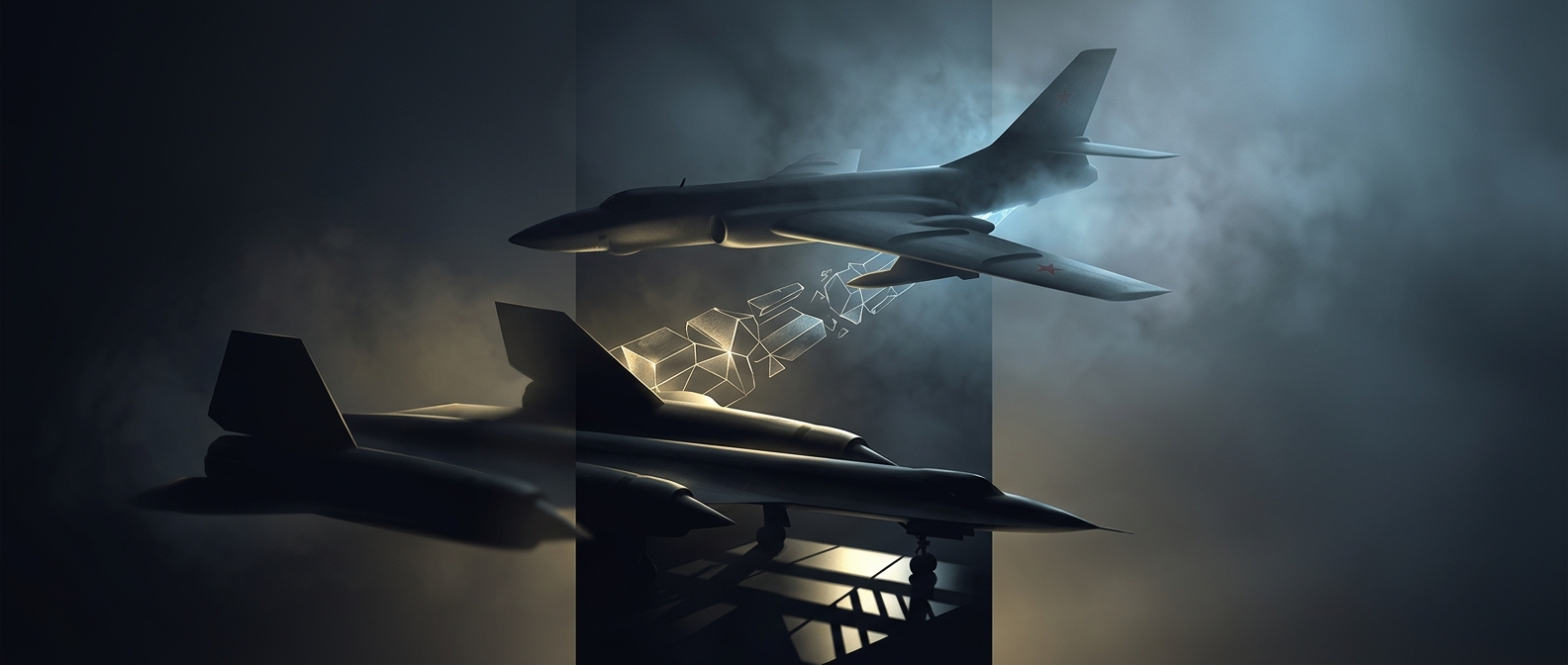
But choosing titanium created a supply problem. The United States did not have enough of the needed ore readily available for the aircraft program, while the Soviet Union was a major source. Buying openly from a geopolitical rival could reveal that the material was headed for a sensitive American aircraft project.
Hiding the trail from seller to aircraft
The CIA used shell companies—businesses that could obscure who was really behind a transaction—to arrange purchases. The layers of commercial paperwork helped disguise the buyer’s identity and the material’s intended destination. The aim was not to change titanium itself, but to keep a strategically important supply chain from pointing back to the aircraft being built with it.
That made procurement part of the engineering challenge. The SR-71’s performance depended not only on designing a structure that could endure intense heat, but also on obtaining the right material without advertising why it was needed. The aircraft’s construction required secrecy before a single piece of titanium reached the airframe.