How a scout bee’s headbutt can interrupt a nest pitch
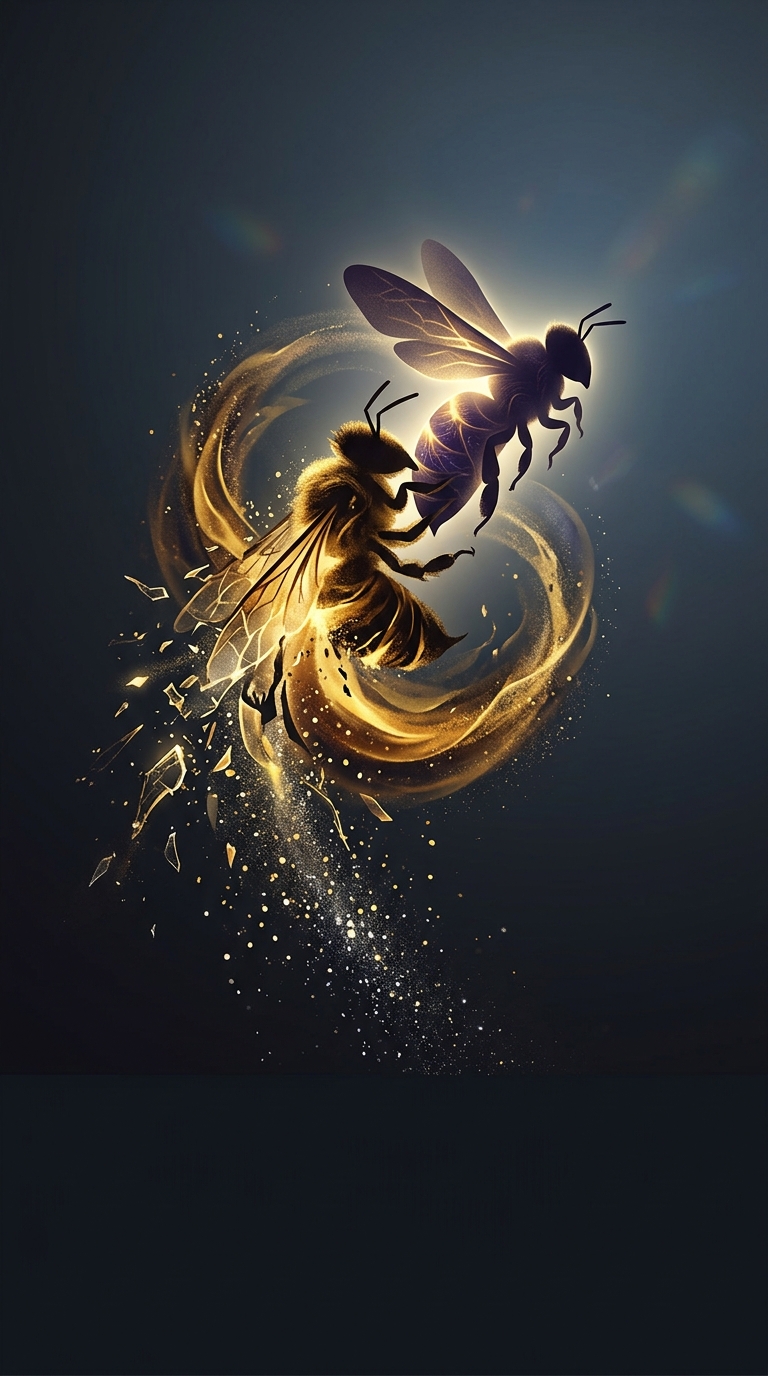
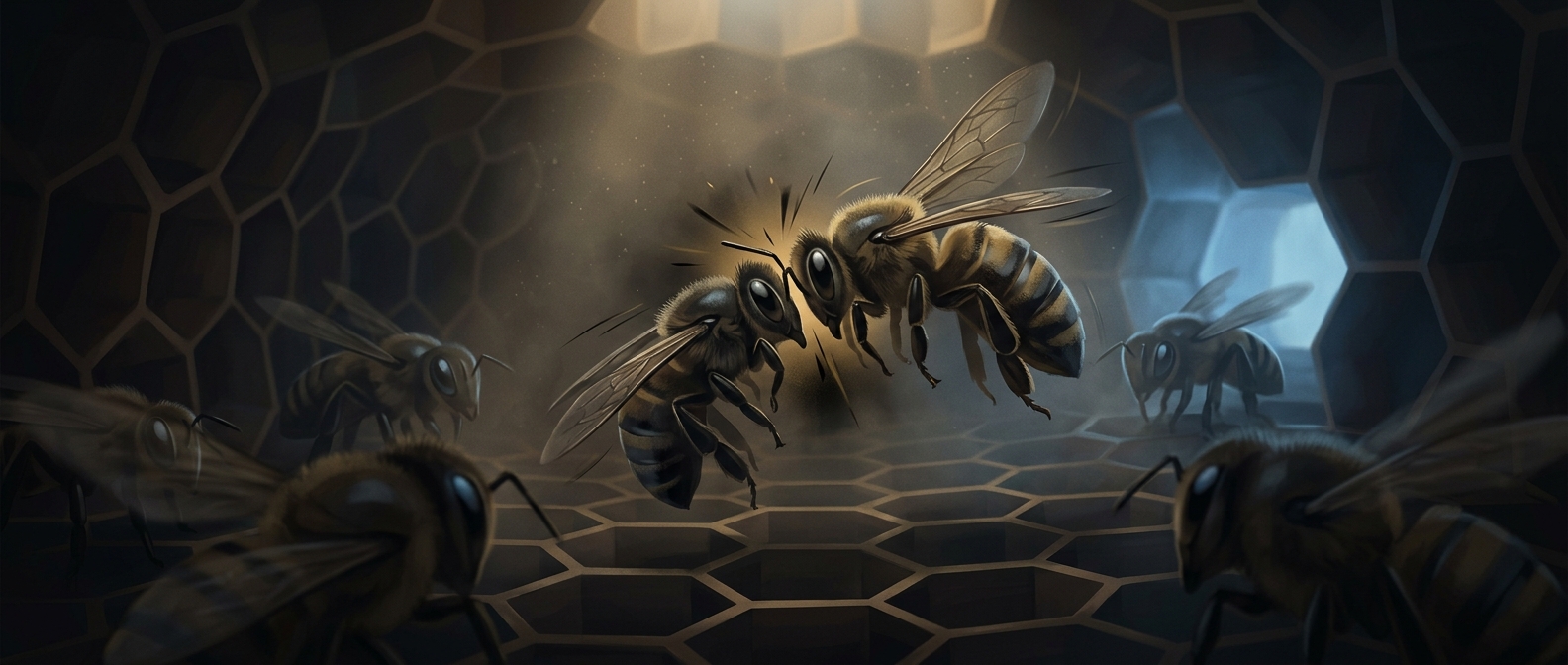
When a honeybee scout finds a potential home, she returns to the swarm and performs a waggle dance: a moving advertisement that helps other bees locate the site. But the dance is not an uninterrupted speech. A bee that has visited a different site may approach the dancer and deliver a brief stop signal, a vibration paired with a bump to the dancer’s body.
The signal can make the dancer pause or stop. It is sometimes described as a headbutt, though the important part is the vibration—not a forceful blow. The interruption gives a rival scout’s proposal a chance to be heard.
Why interrupt a useful message?
A dance can attract followers, and a growing crowd of scouts may increasingly favor one candidate nest. That enthusiasm is useful when a site is promising, but it can also make the swarm’s choice depend too heavily on one early lead. Scouts that have encountered a poor or risky option can use stop signals to damp down its promotion.
The signal does not announce, “Choose my site instead.” It only disrupts a particular dance. Other scouts remain free to advertise other locations, and bees can continue inspecting the candidates themselves. In this way, an interruption changes the flow of information without dictating the outcome.
A decision built from competing pitches
The swarm’s nest choice emerges as scouts repeatedly advertise, inspect, and respond to one another. More support can accumulate around a promising site, while interruptions can limit momentum behind a less suitable one. No single scout acts as a commander; the group’s decision takes shape through many individual signals.
That tiny bump has a consequential role: it can keep a swarm from treating the loudest or earliest sales pitch as the final verdict.