How a trail becomes a trap
An ant following a food trail does not see a route from above. It responds to nearby chemical signals: pheromones left by other ants. When a trail leads to food, ants traveling it can add more pheromone, making that route easier for others to detect. This feedback helps a colony converge on a useful path without any one ant directing traffic.
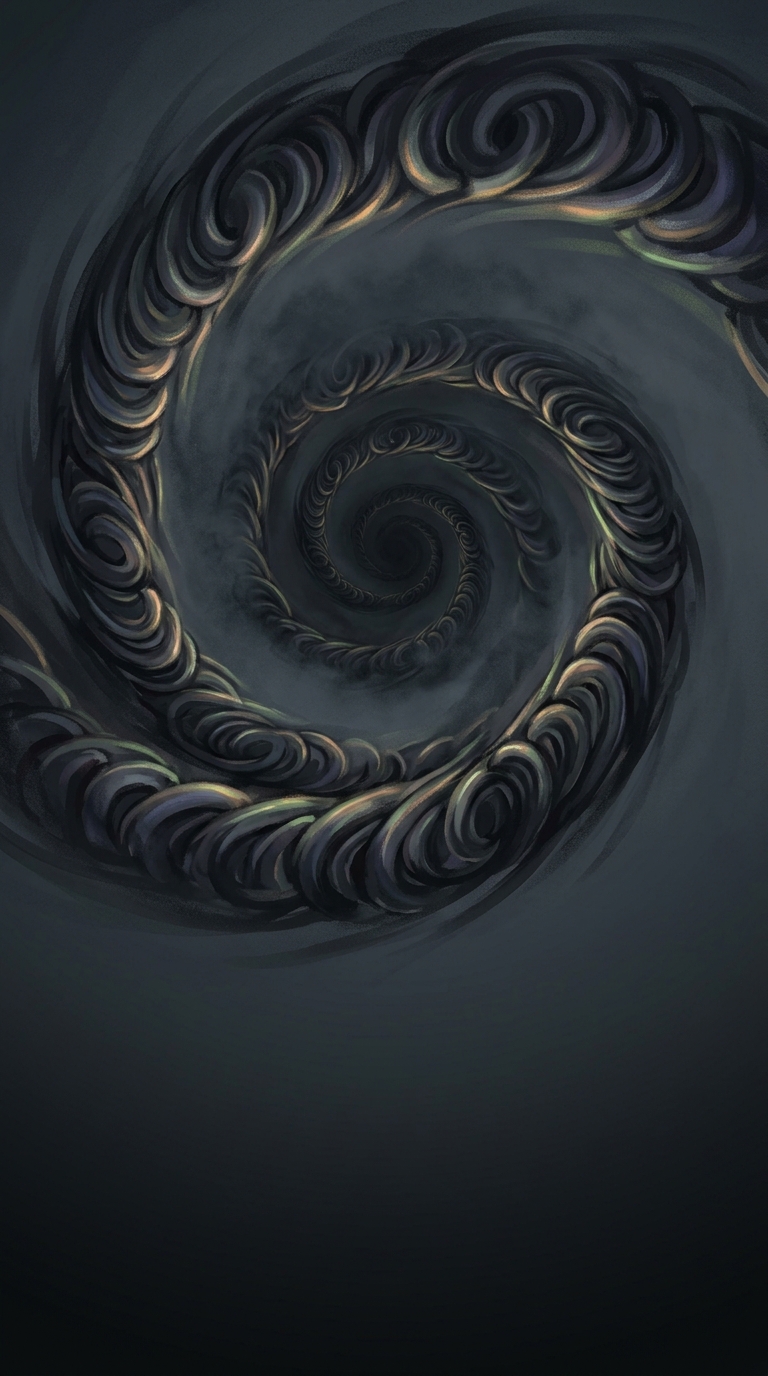
The same rule can fail if the trail bends back and reconnects with itself. An ant reaches the loop and follows the strongest scent onward; its passage adds another trace of pheromone, reinforcing the circuit. More ants then join, and their repeated trips can keep the loop attractive even though it leads nowhere.
Why the ants do not simply turn around
The guidance is local. Each ant reacts to scent and nearby movement, rather than comparing the trail with a map or recognizing that it has passed the same spot before. So the group can collectively maintain a route that no individual has reason to question. The loop’s apparent authority comes from many ants repeating the same instruction.
This phenomenon, sometimes called an ant mill, is especially associated with army ants, whose coordinated foraging makes them strongly responsive to the paths laid down by others. A loop may be broken if the scent fades, the route is disrupted, or ants find another signal to follow. If it persists, however, ants can keep circling until exhaustion kills them. The striking failure is also the system’s strength: a chemical cue simple enough to guide thousands of workers can amplify a mistake just as efficiently as a good route.