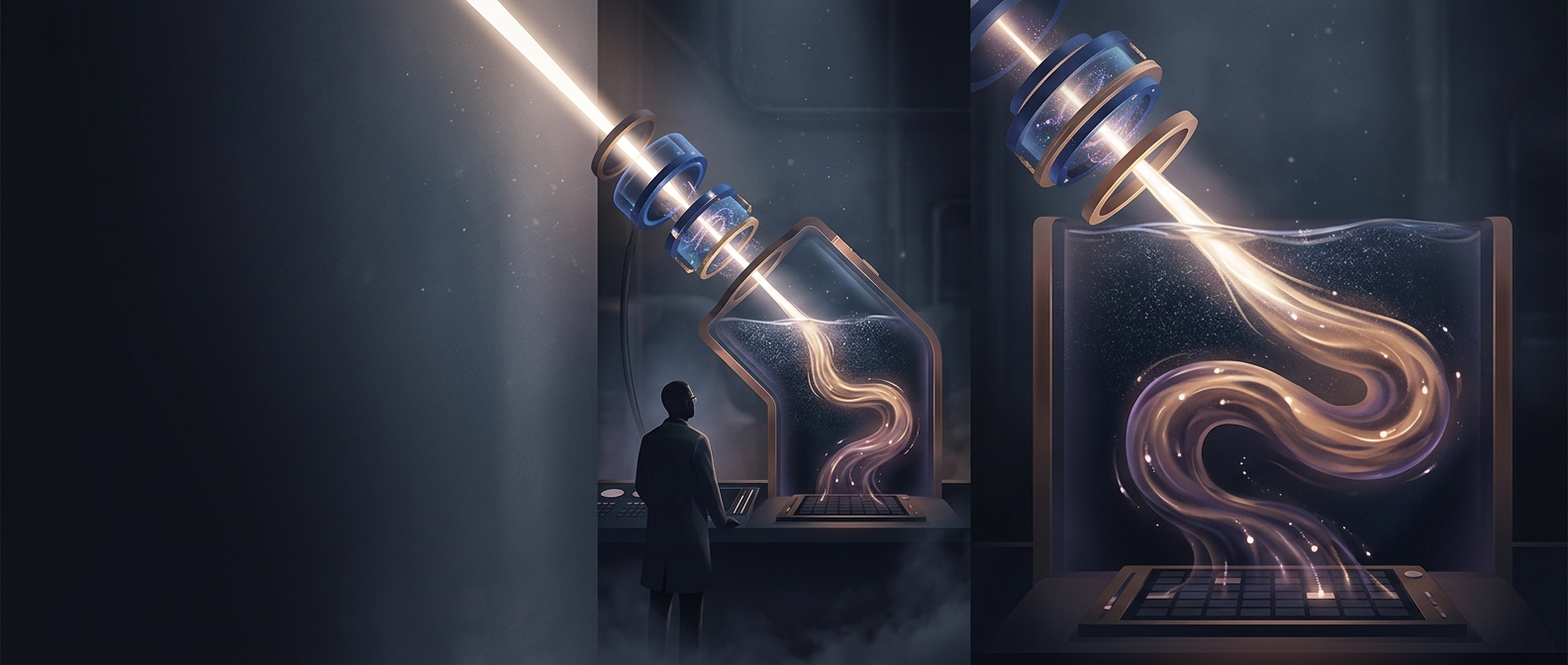
Why colder molecules make a clearer map
A molecule’s position is not necessarily fixed during an image. It moves as it carries thermal energy, and during a camera exposure that motion can spread its light across several pixels. The result is a blur: the image records where the molecule wandered, rather than one crisp location.
Cooling reduces that thermal motion. Near absolute zero, molecules move much less, so they are less likely to shift appreciably while light is being collected. The laser can then reveal their locations with less blur—not because the optics have improved, but because the objects being measured are steadier.
The laser is both a probe and a disturbance
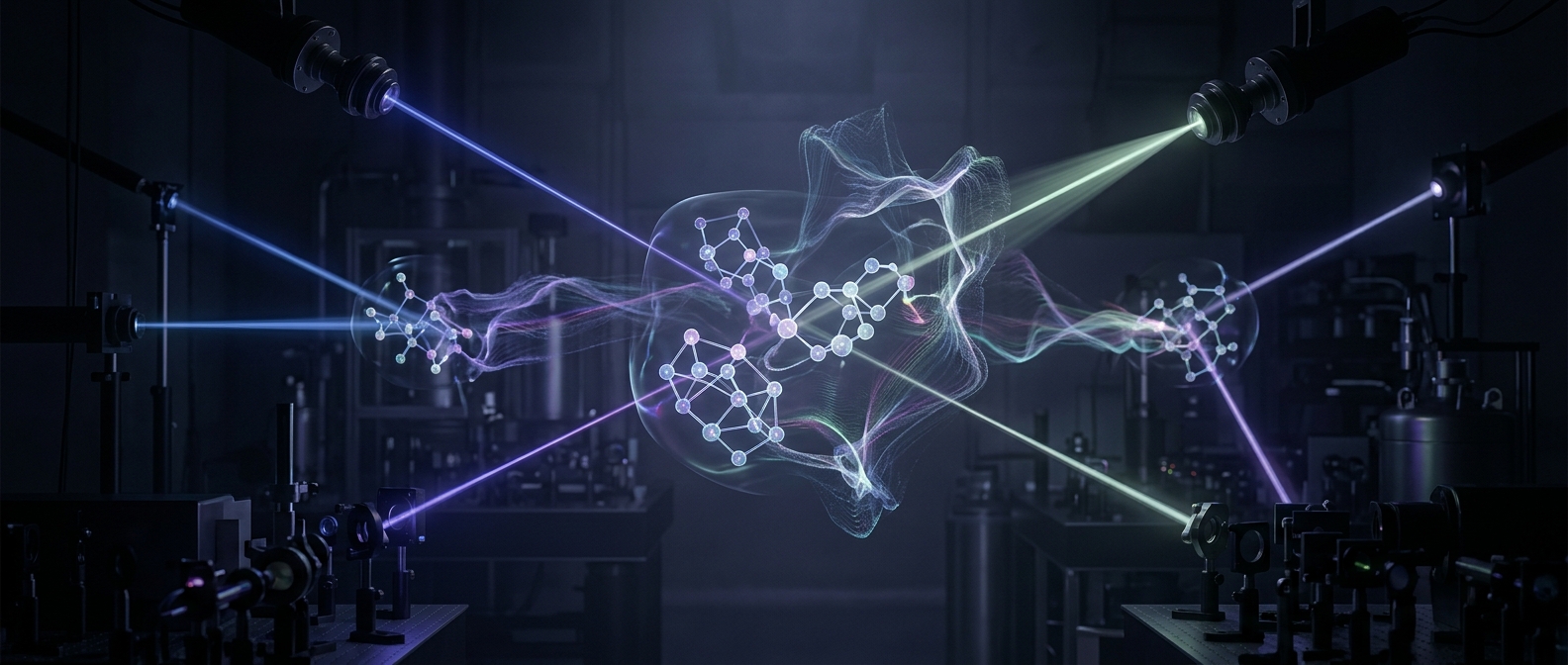
In many forms of molecular imaging, laser light interacts with molecules and some of that light is collected to locate them. But absorbing and re-emitting light also transfers momentum, a small kick that can make a molecule move. Researchers therefore have to balance getting enough signal to identify a position against disturbing the molecule during the measurement.
Cooling helps with that balance by reducing motion before the imaging begins. It does not make a molecule perfectly motionless: quantum motion remains even at the lowest temperatures, and the imaging light can still alter its state. The practical gain is narrower, but important: a quieter molecule gives the measurement less motion to mistake for uncertainty about where it is.