Why Pyrococcus furiosus’s membrane survives the heat
A cell membrane has to do two jobs at once: keep the cell’s contents in and control what passes through. Heat makes that harder because it increases the motion of membrane molecules, loosening the boundary and making it more likely to leak. For an ordinary cell, temperatures near boiling can disrupt this delicate barrier.
Pyrococcus furiosus belongs to the archaea, a group of microbes distinct from bacteria and plants and animals. Its membrane lipids—the molecules that form the membrane—are linked by ether bonds, which are chemically stable under harsh conditions. Many familiar organisms use lipids joined by ester bonds instead. The difference helps archaeal membranes resist chemical breakdown and remain functional at high temperatures.
A tougher membrane is part of a larger adaptation
The bonds are not a magic heat shield: survival near boiling depends on the cell’s many systems working together. But a membrane that stays intact gives those systems a stable boundary. If that boundary became too leaky, the cell could lose the carefully controlled mix of salts and molecules it needs to function.
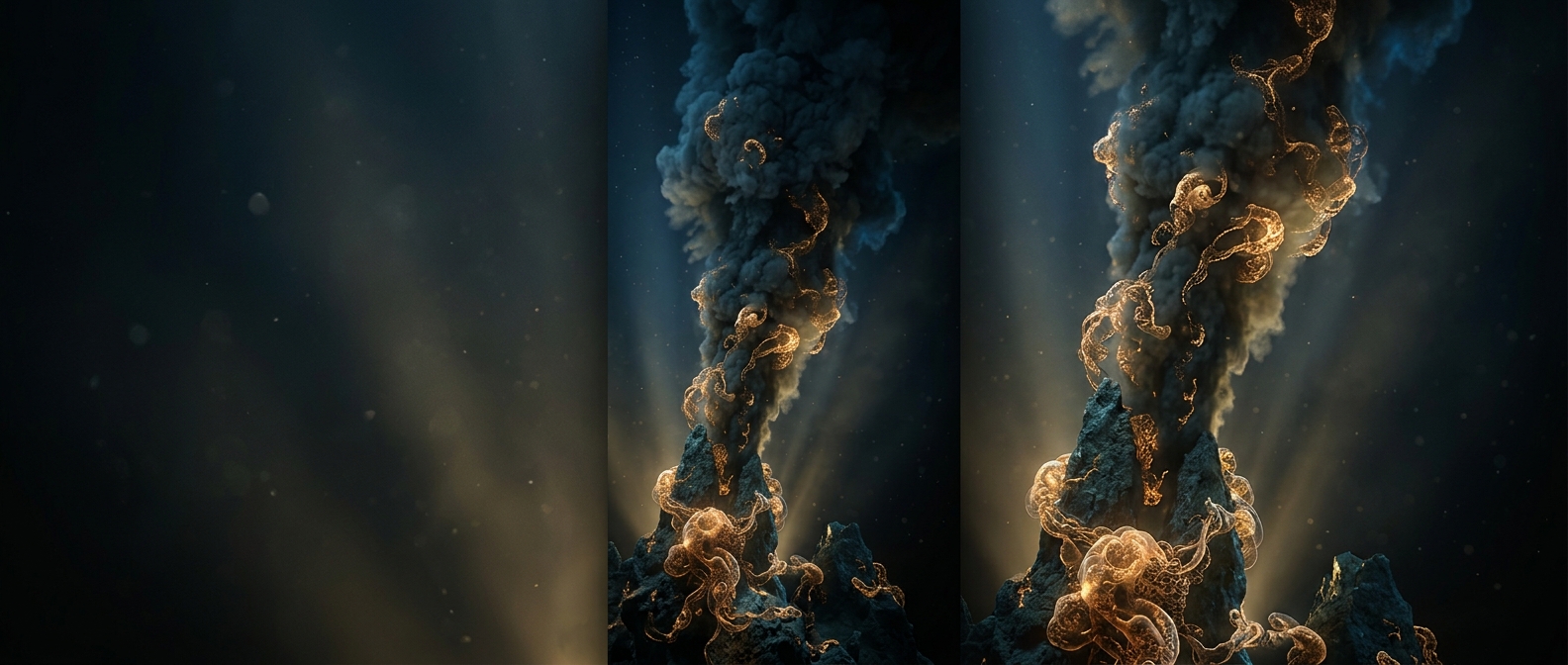
P. furiosus is found in hot environments such as hydrothermal vents, where heated water rises from the seafloor. Its name means “furious fireball,” a nod to its preference for extreme heat. The practical payoff of its membrane design is clear: while many cells’ boundaries falter in near-boiling water, this archaeon can keep its cellular contents contained and grow in that heat.