The lichen’s partnership has an extra layer
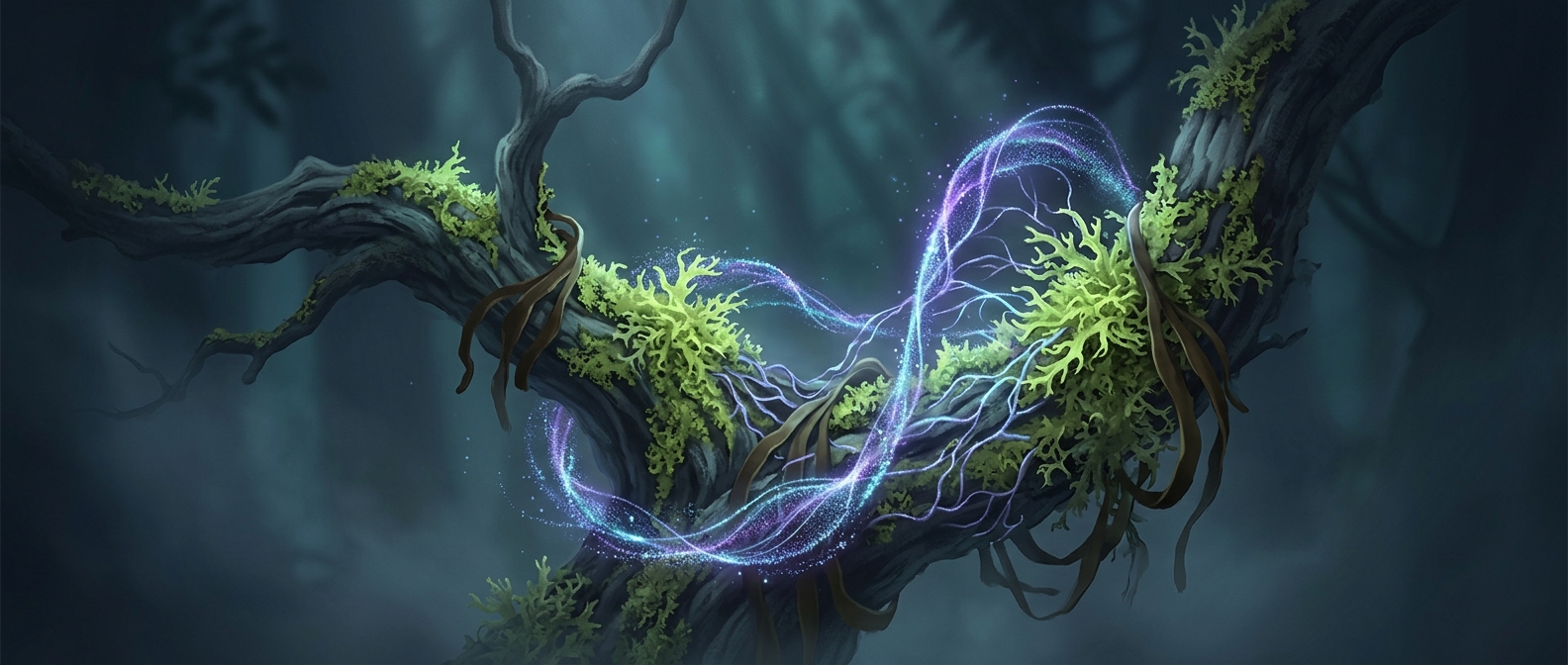
A lichen is not a single organism but a close-knit association. In wolf lichen, the main fungus builds the body and shelters a photosynthetic partner—an alga that uses light to make sugars. Genomic studies revealed another resident: a yeast living within the lichen’s outer tissues.
That discovery changes the picture from a simple two-member exchange to a community with more than one fungal participant. The yeast is not just a stray cell: it is consistently associated with the lichen and with its distinctive chemistry.
A possible role in the lichen’s chemistry
The yeast is associated with the production of vulpinic acid, the compound that gives wolf lichen its vivid yellow color. That link suggests the lichen’s chemical traits may depend on interactions among its residents, rather than on the main fungus alone.
Finding yeast DNA in a lichen helps identify who is there; by itself, it does not show exactly how each partner contributes. But the association points to a more intricate division of labor than the classic fungus-and-alga model suggests. The bright yellow body may be the visible result of a partnership whose smallest worker is easy to overlook.