Why an Avalanche Can Become More Destructive as It Falls
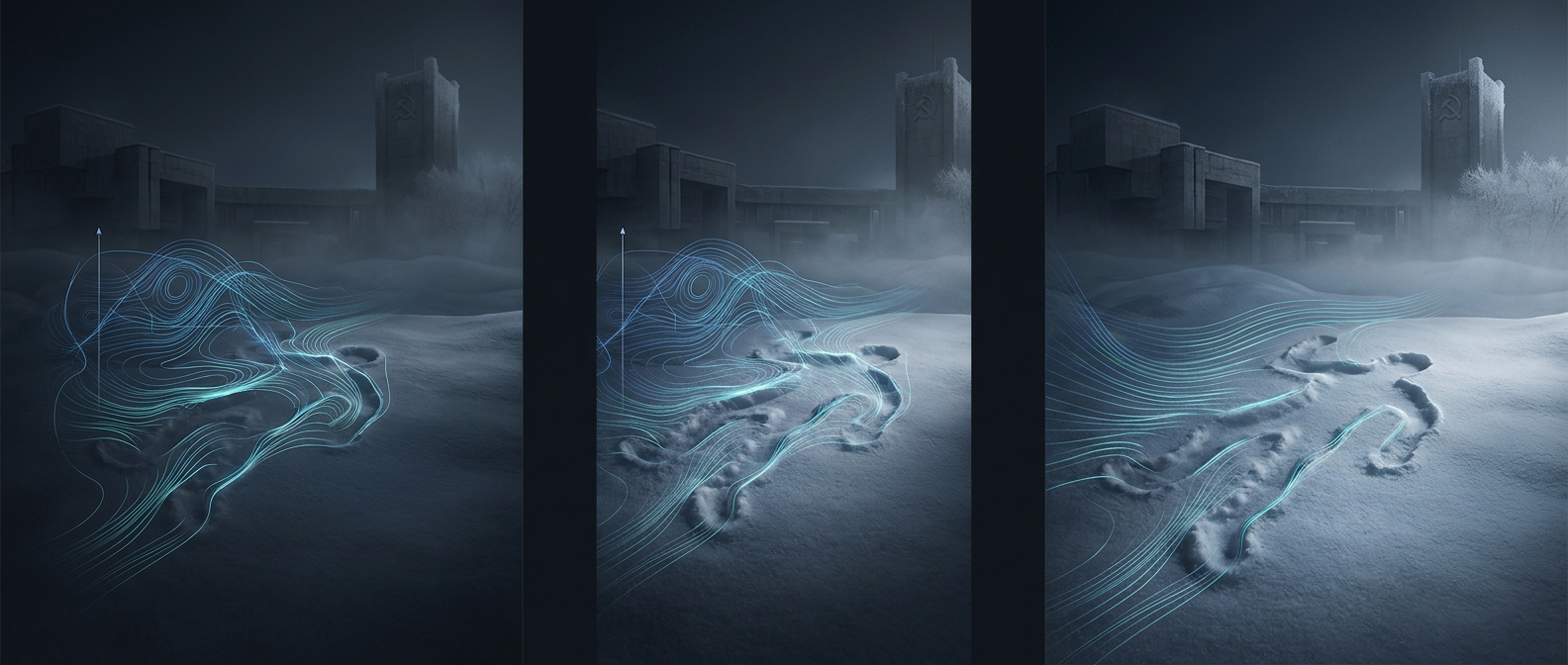
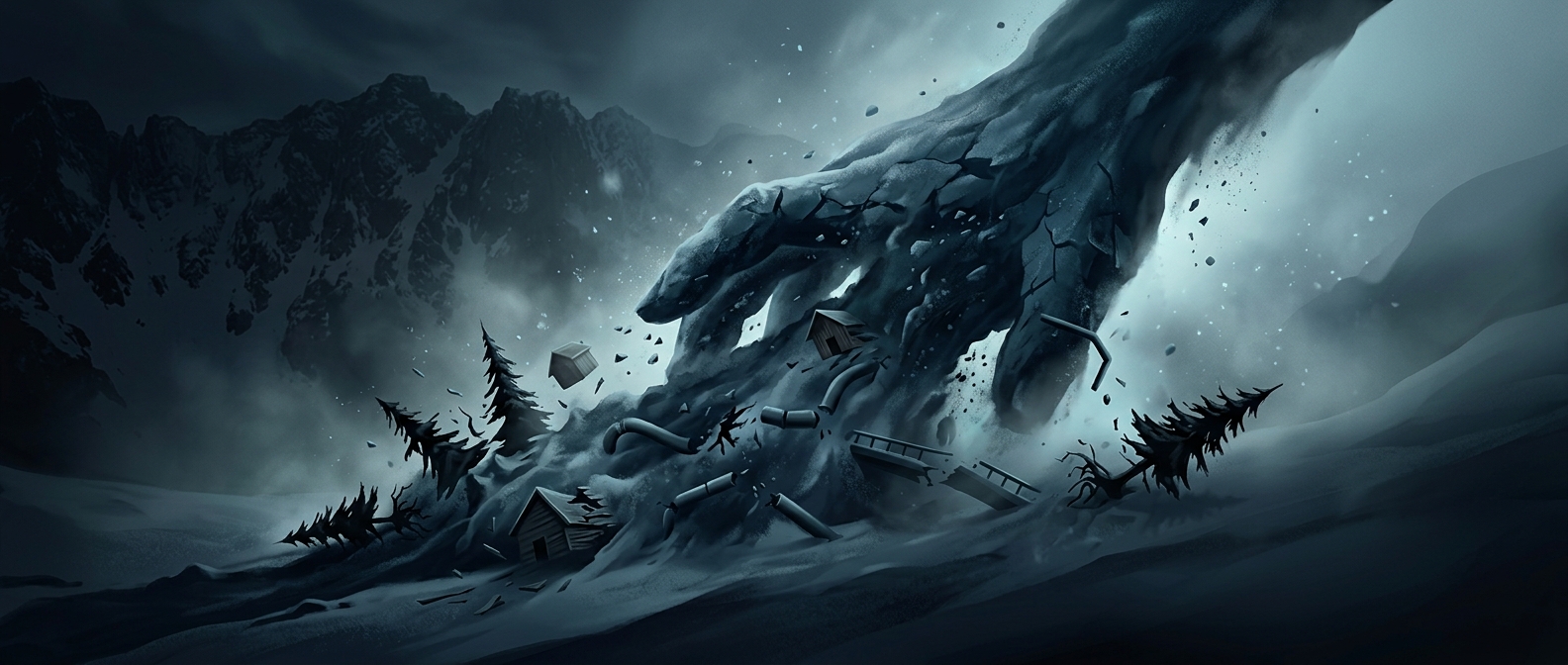
An avalanche often begins as a slab of snow breaking loose from a slope. As it accelerates downhill, it can fracture into chunks and mix with loose snow, pulling more material into motion. The moving snow also churns up air, forming a turbulent cloud around and above the denser flow. This mixture can spread beyond the original slide and carry enough force to break trees or batter anything in its path.
The slope shapes what the avalanche encounters. A narrow gully can channel the flow, while an open slope lets it fan out. Rocks, trees, and other debris may be swept along, adding hazards; even without debris, fast-moving snow can strike with great force.
Why the Danger Continues After the Slide Stops
When the avalanche loses speed, its snow settles and packs around whatever it has carried. Someone caught in the flow may be thrown, injured, or buried as the moving mass comes to rest. Packed snow can be difficult to move from inside, and a buried person may have little room to breathe. If snow blocks the face, exhaled breath can also create an icy crust that makes getting air harder.
That is why survival depends not just on avoiding the initial blow but on what happens in the minutes afterward. An avalanche can turn a brief impact into a race against burial and loss of air, even after the slope above has gone quiet.