Why Quicksand Gives Way Underfoot
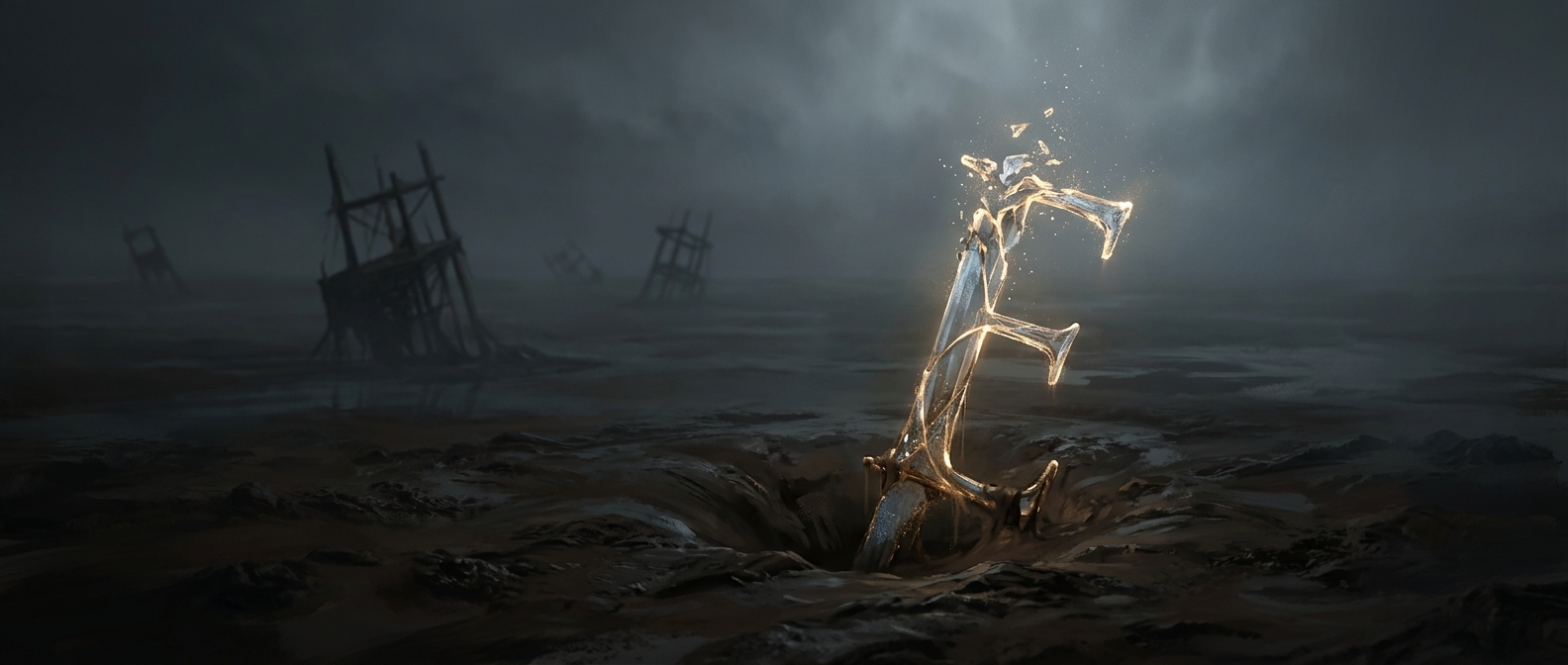
Quicksand forms when loose sand is saturated with water, often where groundwater rises through the sediment. Normally, grains press against one another and friction helps hold them in place. In quicksand, moving water can loosen that grain-to-grain contact, leaving the mixture weak and easy to disturb.
A sudden step or forceful struggle shifts the grains and water around. The ground can then behave more like a thick slurry than a firm surface: it cannot reliably support a person’s weight, and a foot or leg may become trapped as the sediment settles back around it.
Why It Is Hard to Pull a Leg Free
The difficulty is not just the weight of the sand. Pulling sharply on a buried leg means trying to move it through a narrow space while water and grains press in around it. That resistance can make a quick yank feel as if the ground is holding on.
Slow movement gives water and sediment more time to flow into the space left by a limb. Shifting weight gradually and making a wider, more stable position can also reduce the force concentrated on one spot. The key is to avoid turning a patch of weak ground into a harder struggle.
A Trap, Not a Bottomless Pit
Because a person is generally less dense than waterlogged sand, sinking is limited; quicksand does not pull people down without end. The more realistic danger is becoming stuck in an exposed place, where exhaustion, cold, or rising water can make a difficult escape more hazardous. Its menace comes from unstable footing and restricted movement—not from a hidden abyss.