Technology
Discover facts about technology. Small discoveries that change the way you see familiar things.
Technology
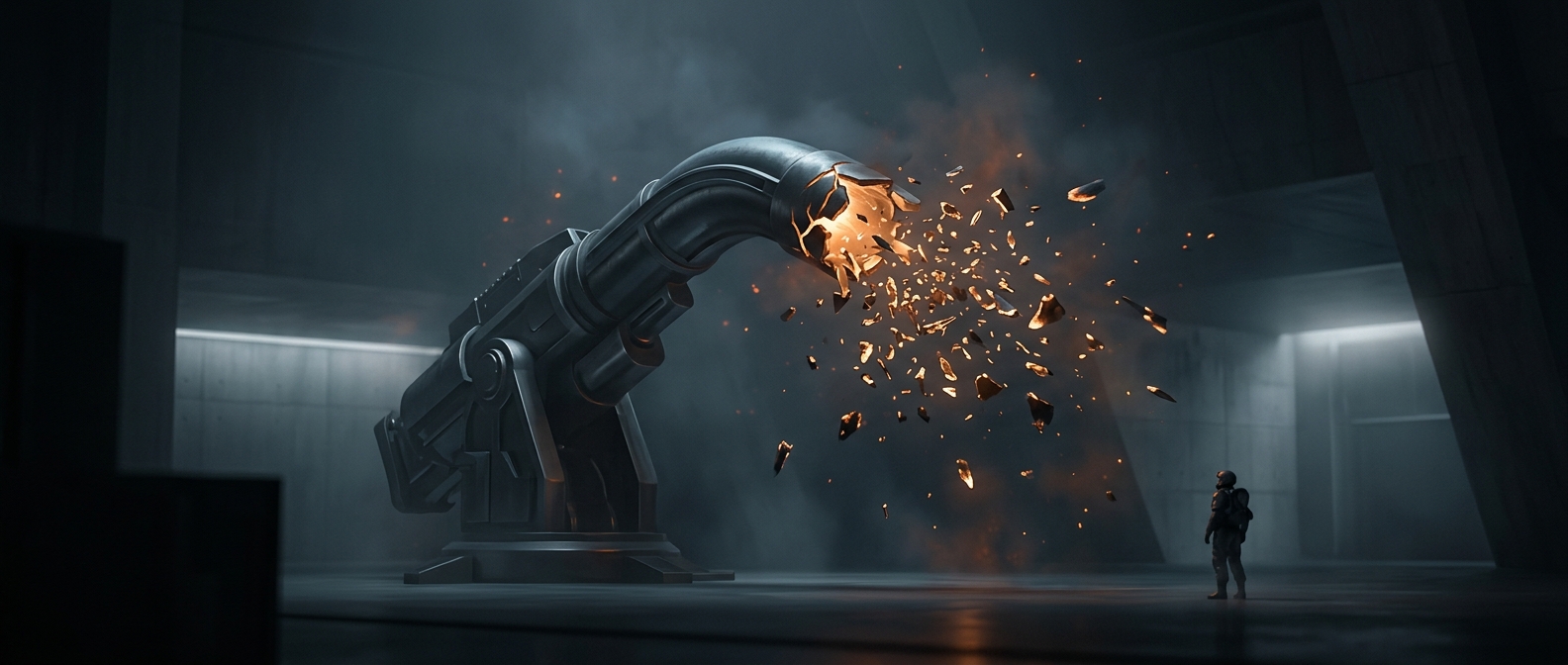
The WWII gun attachment that destroyed its own bullets
The Krummlauf was a curved attachment for the StG 44, designed to let soldiers fire from behind cover or inside tanks. The bend could make bullets shatter,…
Discover more
IBM paid $500,000 for An Wang's memory patent
Wang's work helped make magnetic-core memory practical, storing information in tiny magnetized rings. In 1955, IBM paid $500,000 for rights to his patent. The…
Discover more
The woman who taught search engines which words matter
In 1972, Karen Spärck Jones introduced inverse document frequency, a way to give rare words more weight than common ones when searching text. Search engines…
Discover more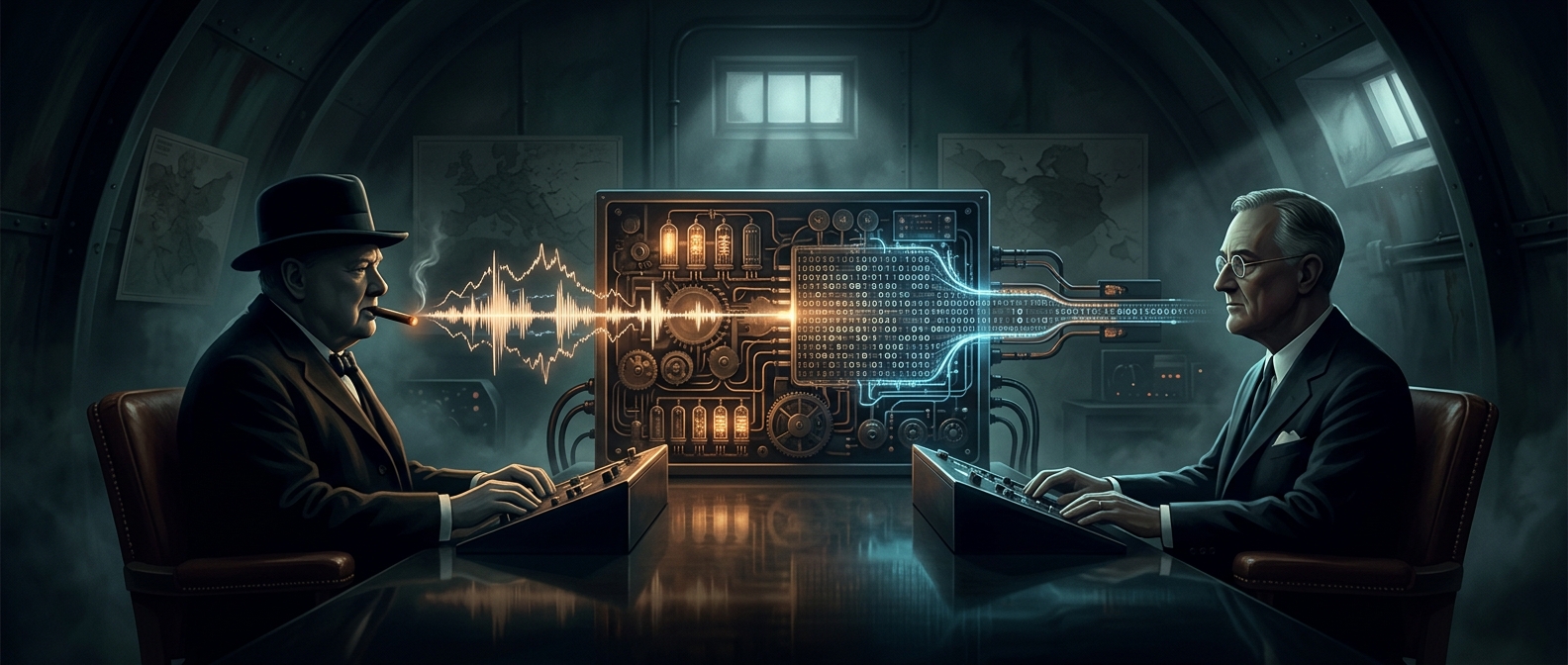
The room-sized machine that secured Churchill's calls
Bell Labs' Vocoder was designed to send speech as electronic parameters rather than audio. The military adapted it into SIGSALY, which masked the signal with…
Discover more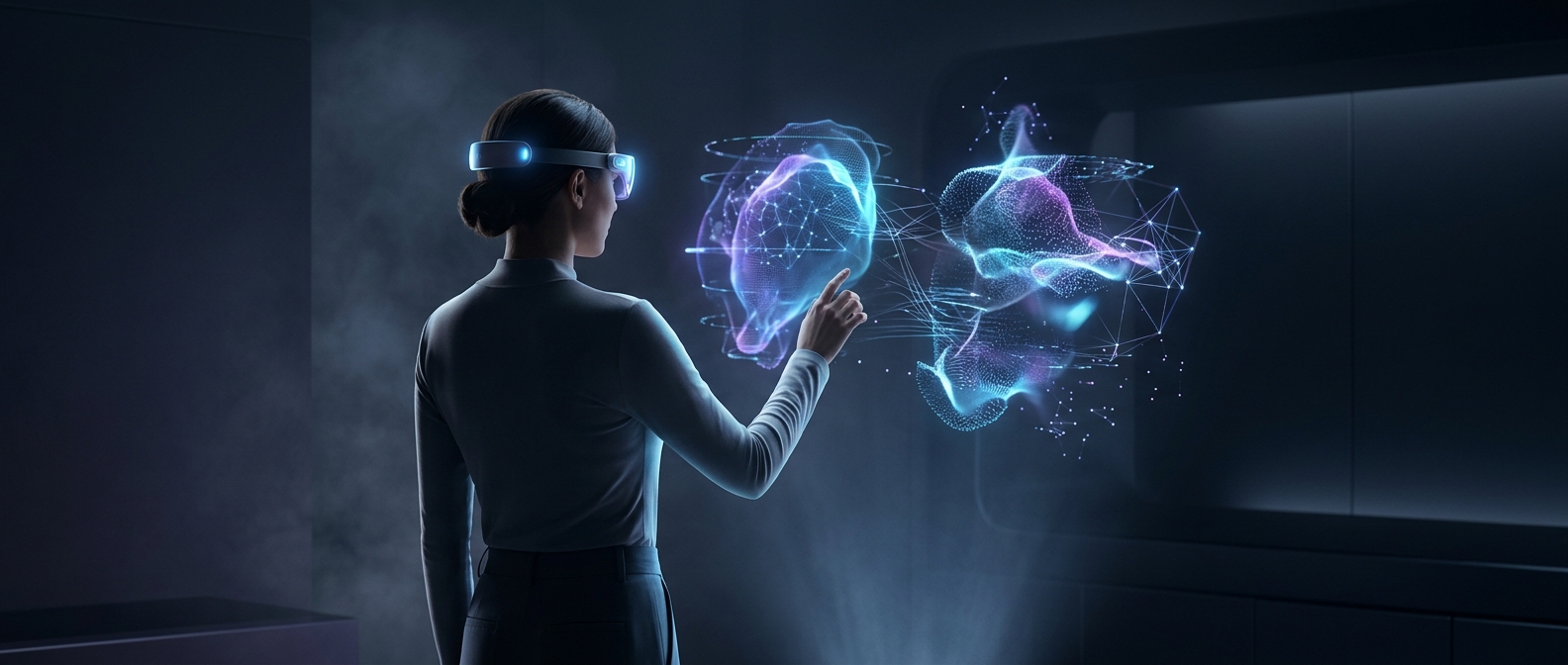
The brain tumor survivor building a brain-scanning hat
After surviving a brain tumor, engineer Mary Lou Jepsen founded Openwater to develop a wearable device that uses light to measure blood flow in the brain. The…
Discover more
People mapped Wi-Fi networks by driving past them
Wardrivers carried wireless equipment and GPS receivers to record where networks could be detected. A connection intended for a home or office spilled beyond…
Discover more STACKY FOR IPHONE
A bigger world.
One discovery
at a time.
Keep discovering with Stacky. Interesting facts in an app that is always within reach.
The 808 made an artificial drum sound worth copying
Roland's TR-808 built its percussion electronically rather than playing recordings of real drums. Its distinctive synthetic sounds became part of the musical…
Discover more
The IBM firing that couldn't stop Lynn Conway
After IBM fired her in the 1960s when she announced her gender transition, Conway rebuilt her career and co-authored the Mead-Conway VLSI design rules, which…
Discover more
A flight-simulator project helped turn memory into tiny rings
MIT's Whirlwind project began with a Navy flight-simulation goal and became an important real-time computer. In 1953 it used magnetic-core memory: ferrite…
Discover more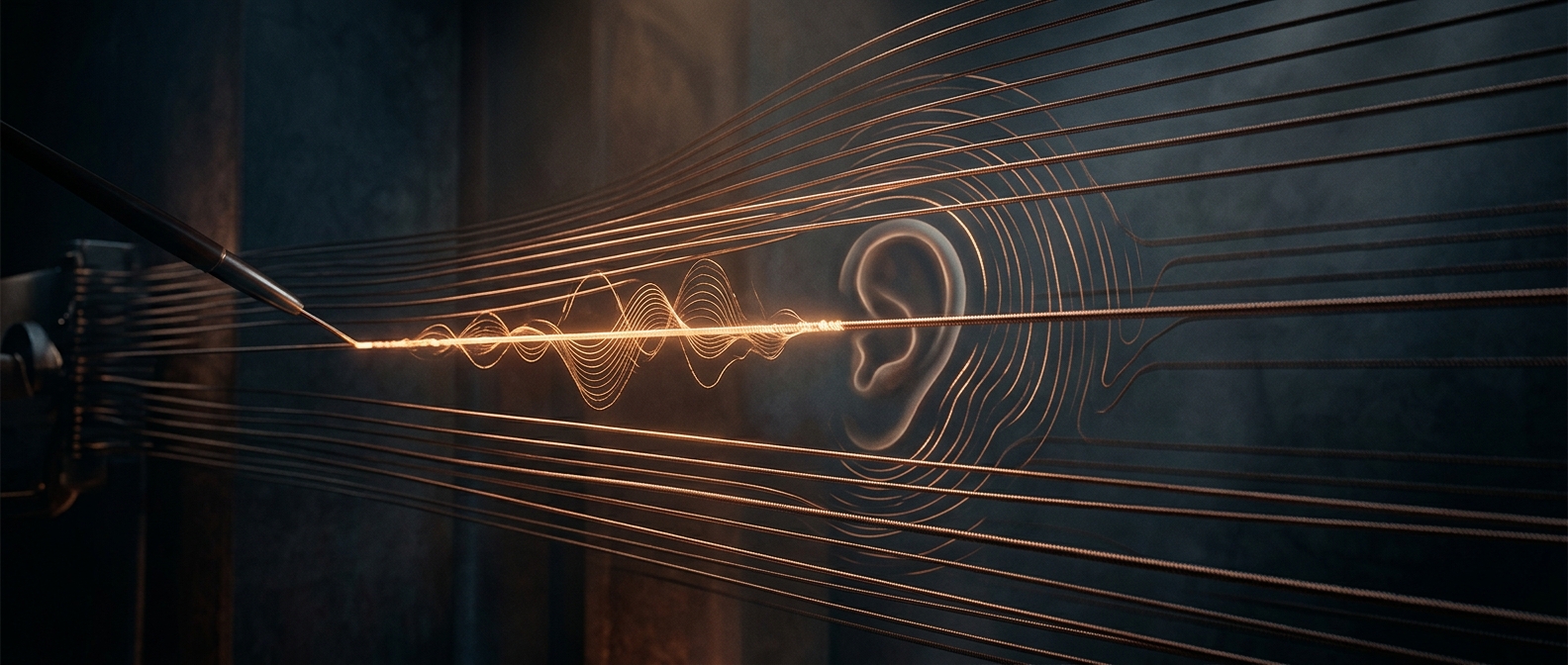
The first answering machine recorded sound on wire
In 1898, Danish engineer Valdemar Poulsen patented the Telegraphone, which recorded sound by magnetizing steel wire moving past a recording head at about two…
Discover more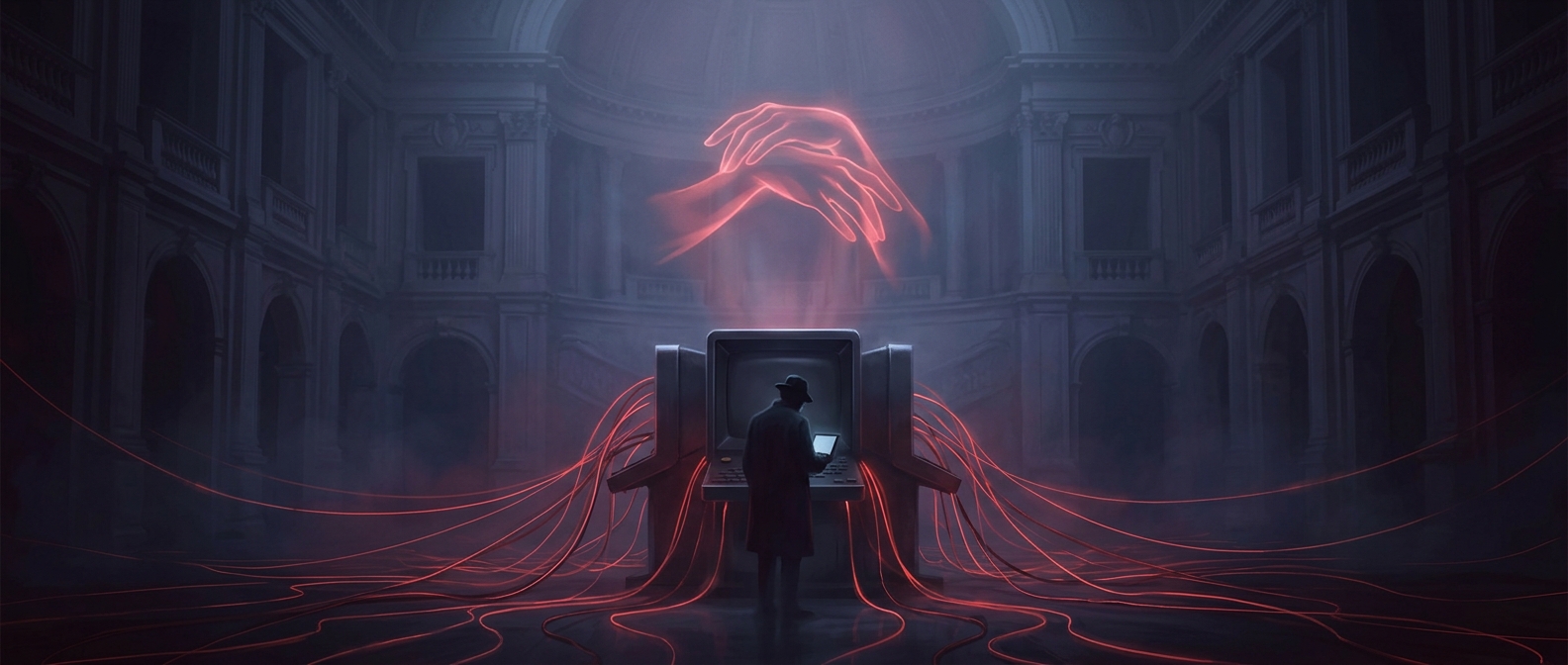
How France accidentally subsidized sex chatrooms
The French government gave away Minitel terminals to replace printed phone books, but paid-by-the-minute “pink message” chat services soon generated millions…
Discover more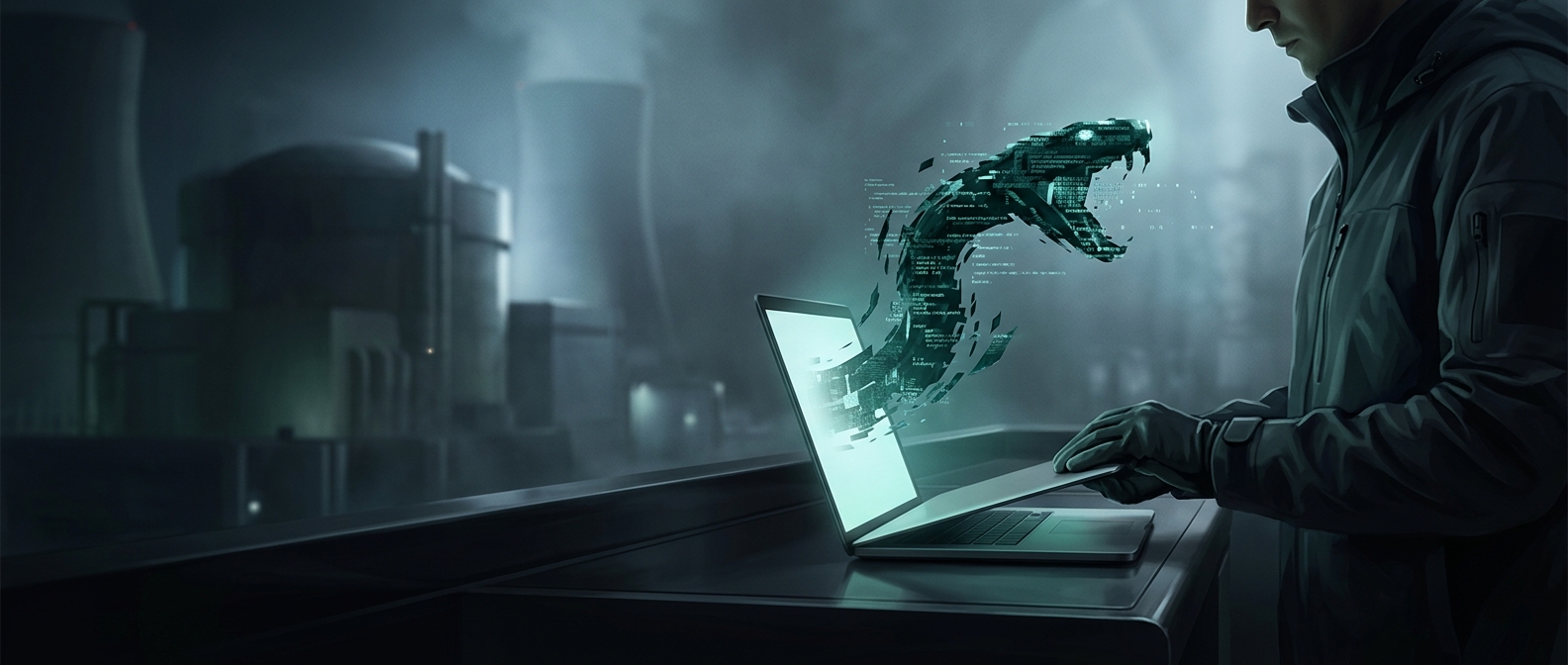
How Stuxnet escaped a supposedly sealed network
Stuxnet spread beyond its intended target after an infected laptop was connected to the isolated network at Iran’s Natanz nuclear facility. The laptop was…
Discover more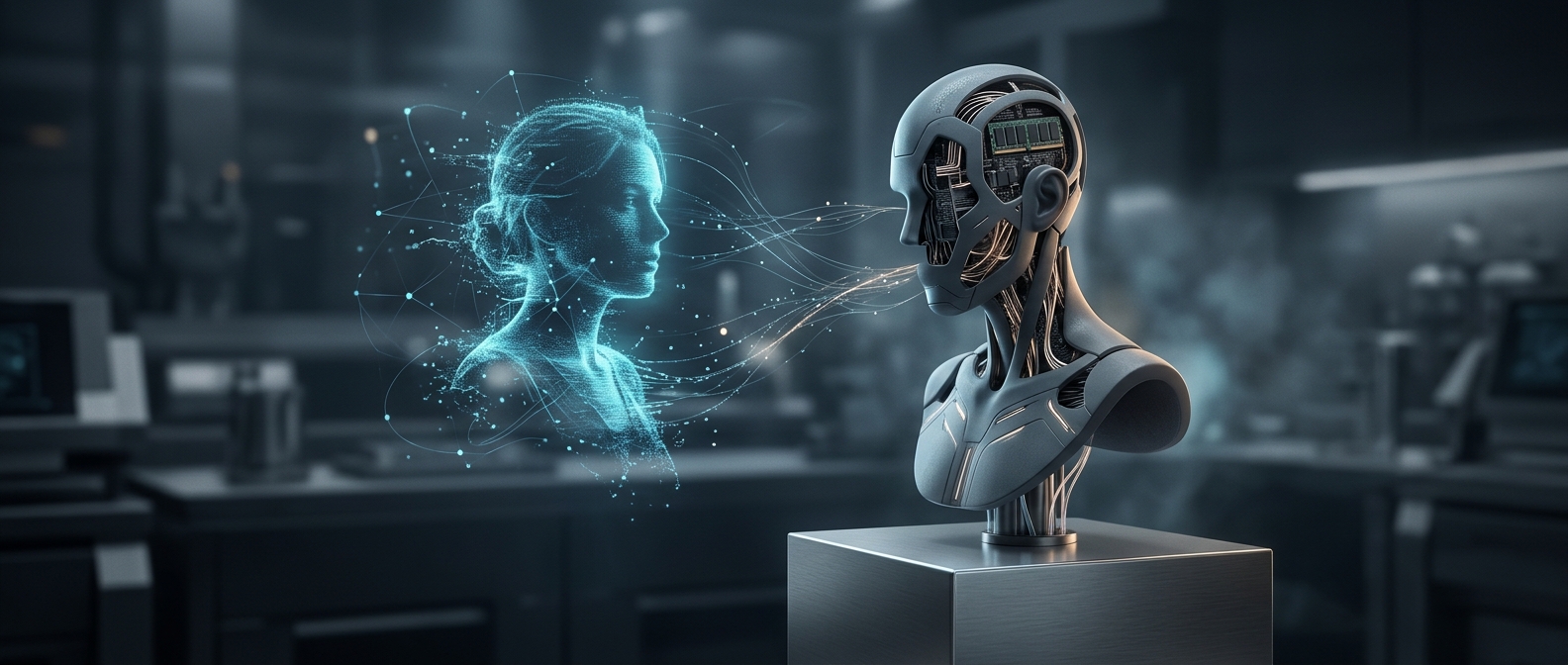
A robot's personality was assembled from a woman's recorded stories
BINA48 was modeled using interviews and material about Bina Rothblatt's life and views. The machine can draw on that material in conversation, creating…
Discover more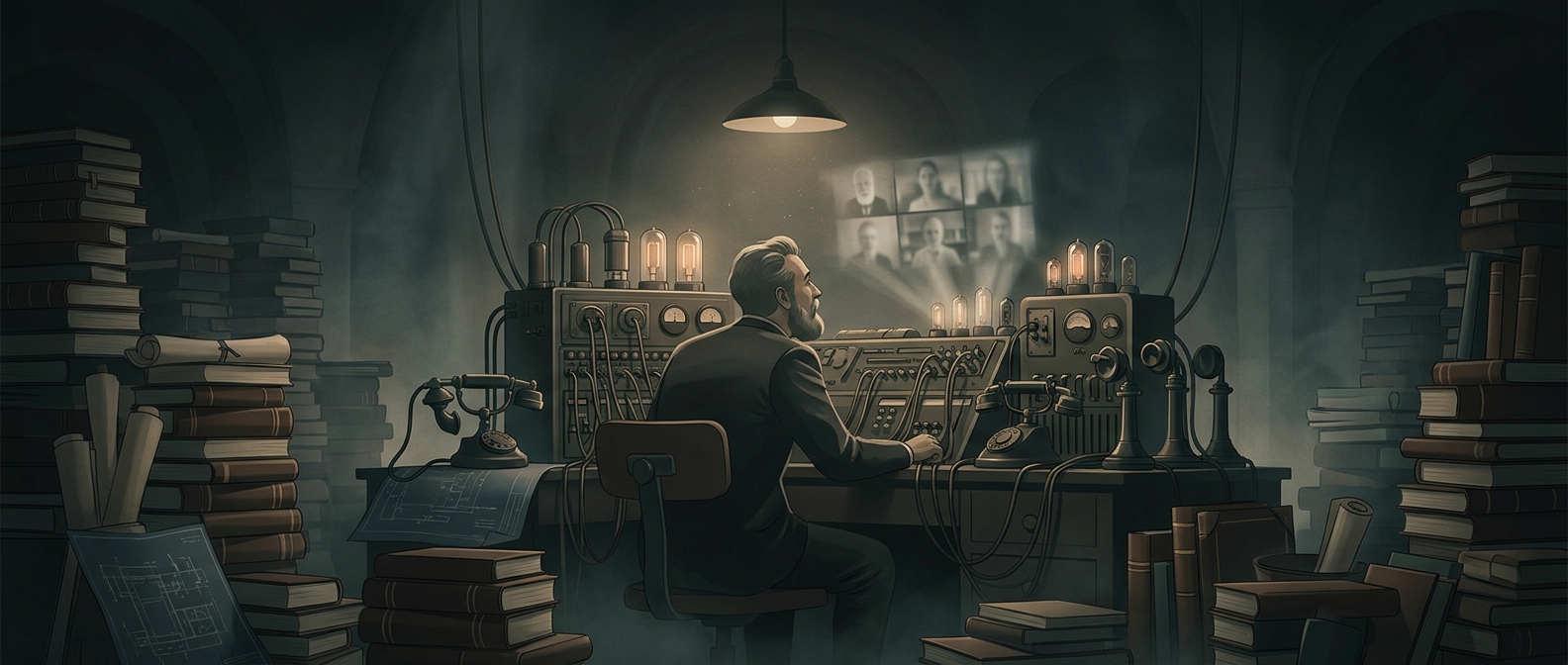
Video calling arrived before enough people could call back
AT&T launched commercial Picturephone service in 1970, decades before video calls became ordinary. Equipment and service were expensive, and few other people…
Discover more
The computer standard Japan embraced—and America ignored
Kazuhiko Nishi persuaded Microsoft to back the MSX standard, which brought hardware from Sony, Panasonic, and Yamaha under one software platform. It became…
Discover more
Xanadu imagined links that kept the source attached to the quotation
Ted Nelson's project pursued connected documents with persistent relationships between reused material and its origins. Development passed through decades of…
Discover more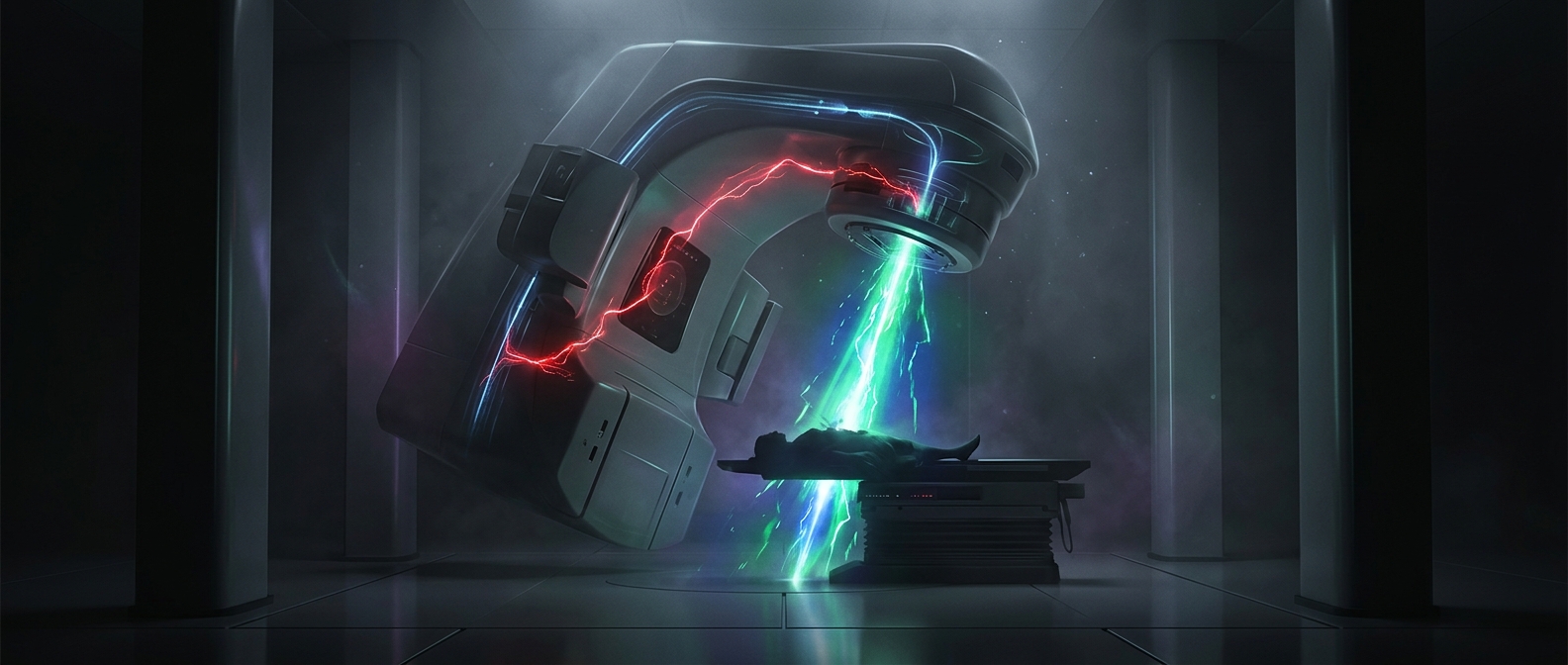
A radiation machine’s safety depended on software that could race itself
Therac-25 accidents exposed how timing errors could leave a treatment machine in a dangerous configuration. Hardware safeguards used in earlier designs had…
Discover more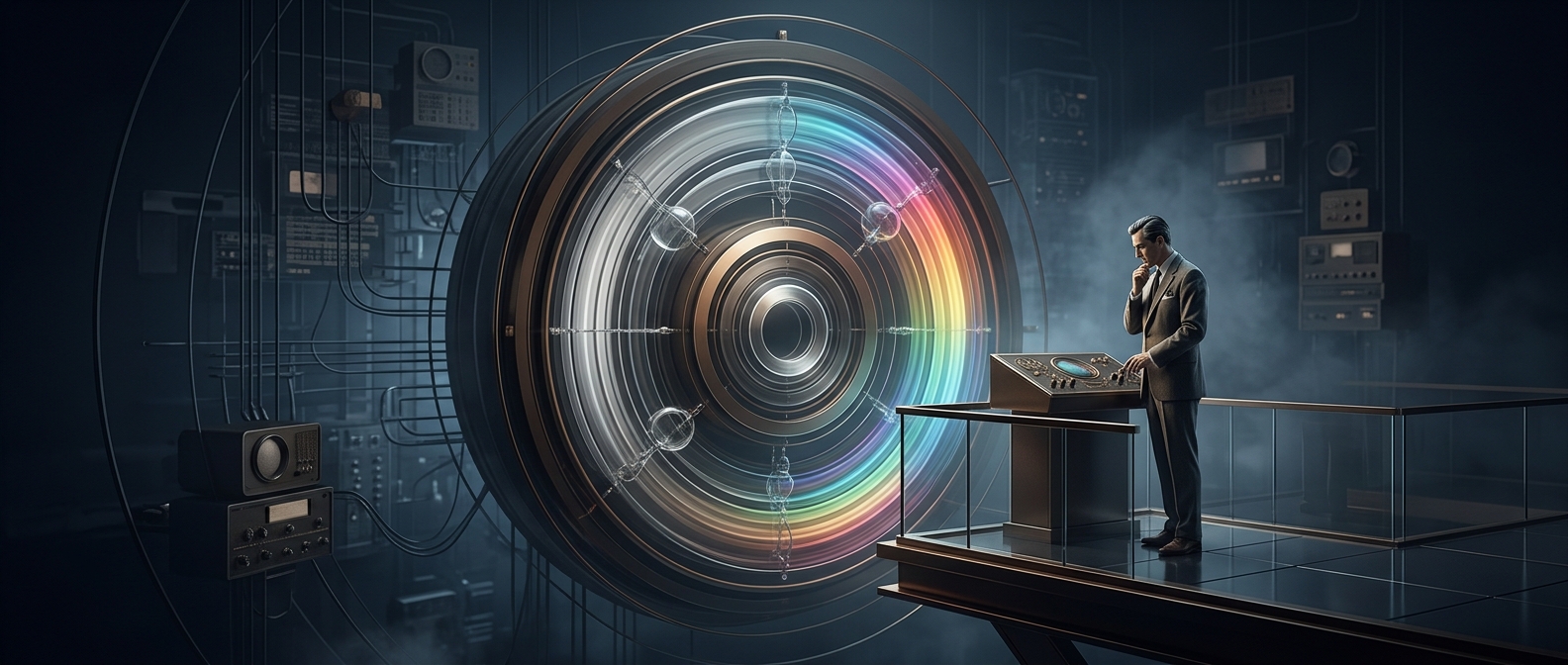
French engineer elegantly solved the color transition
Georges Valensi’s 1938 system separated brightness from color: older black-and-white sets decoded the brightness signal, while color TVs used both. That let…
Discover more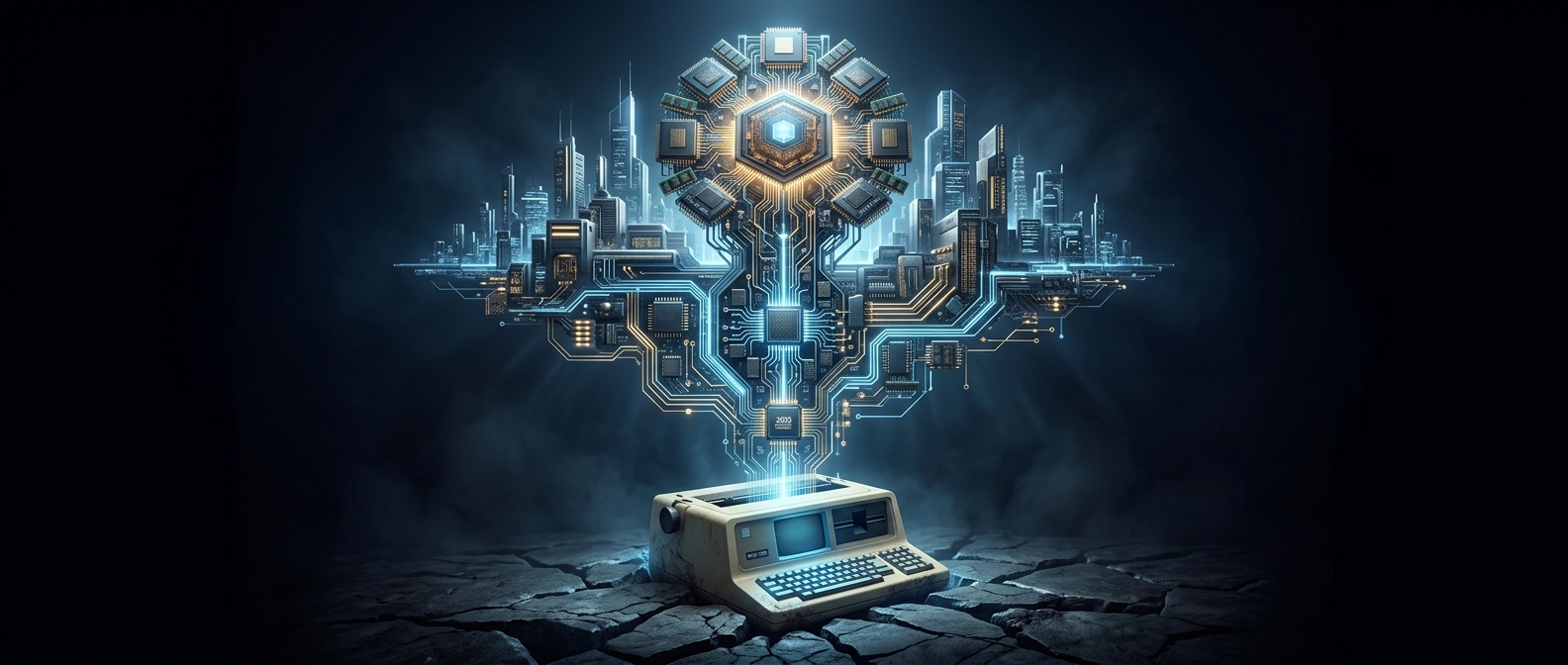
A forgotten terminal helped shape the family tree of PC chips
Datapoint commissioned a single-chip processor for its 2200 terminal, but built the machine with separate logic chips when the processor wasn't ready. Intel…
Discover more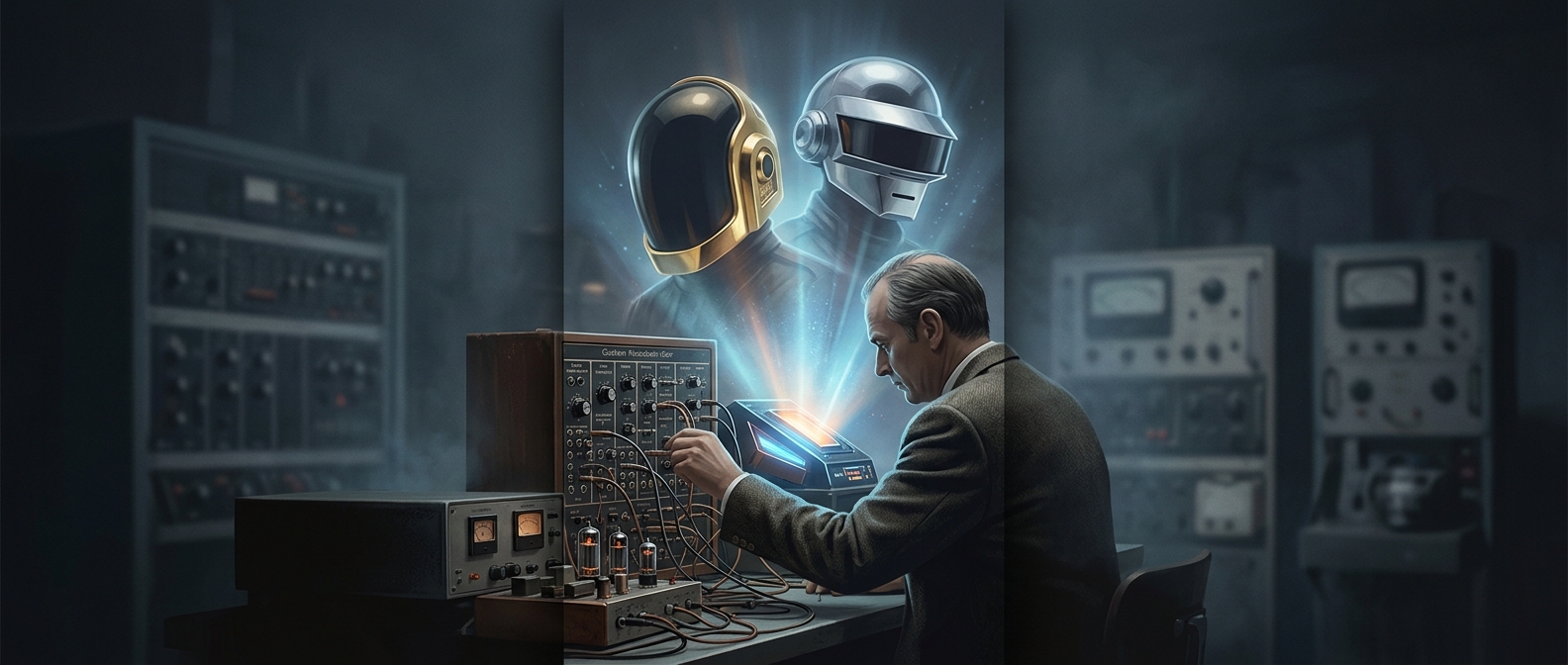
Harald Bode helped turn electronics into instruments
Bode developed electronic instruments and modular sound-processing equipment, including frequency shifters and vocoders. These devices let musicians reshape…
Discover more
We sent aliens a pixelated message in 1974
The 1,679-bit Arecibo message, sent toward a star cluster 25,000 light-years away, encoded basic math, human DNA, and a pixelated human figure.
Discover more
The synthesizer you play by blowing into it
The Akai EWI turns breath pressure and lip movements into MIDI data, letting players control synthesizer sounds with a wind instrument.
Discover more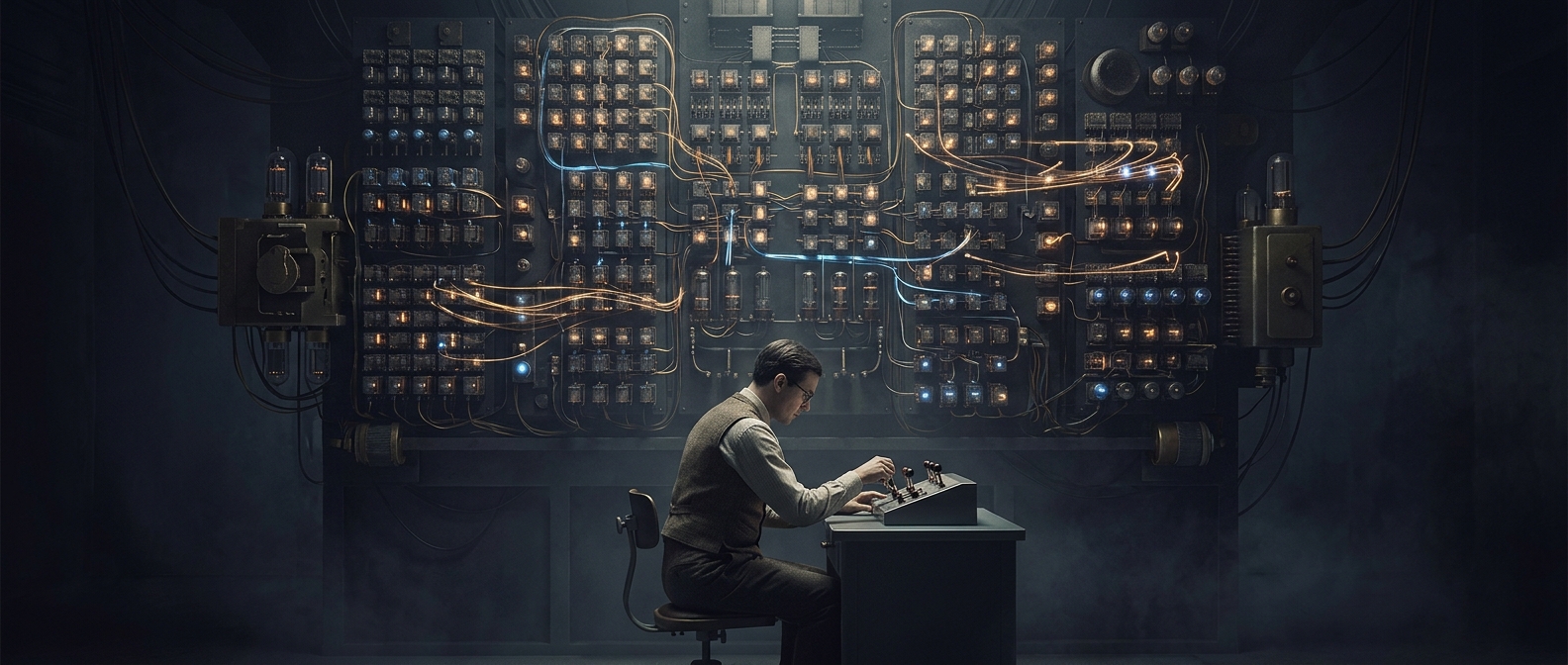
A 1940 machine challenged fairgoers to a game of Nim
Westinghouse built Nimatron for the New York World's Fair using electrical relays and rows of lights. Players took turns removing lights according to Nim's…
Discover more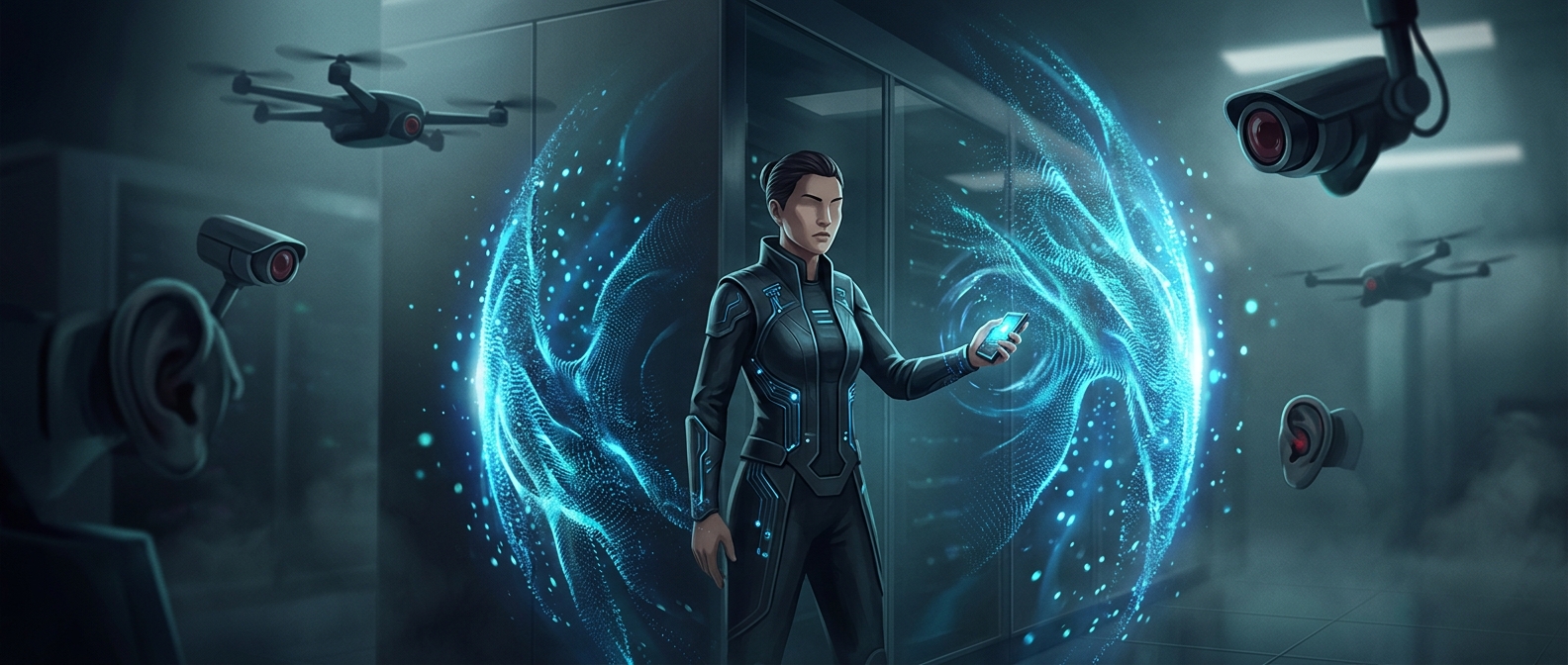
The inaudible sound that can jam hidden microphones
Ultrasonic scramblers emit high-frequency noise that people can’t hear but that can overwhelm some digital microphones, leaving recordings unusable.
Discover more