Technology
Discover facts about technology. Small discoveries that change the way you see familiar things.
Technology
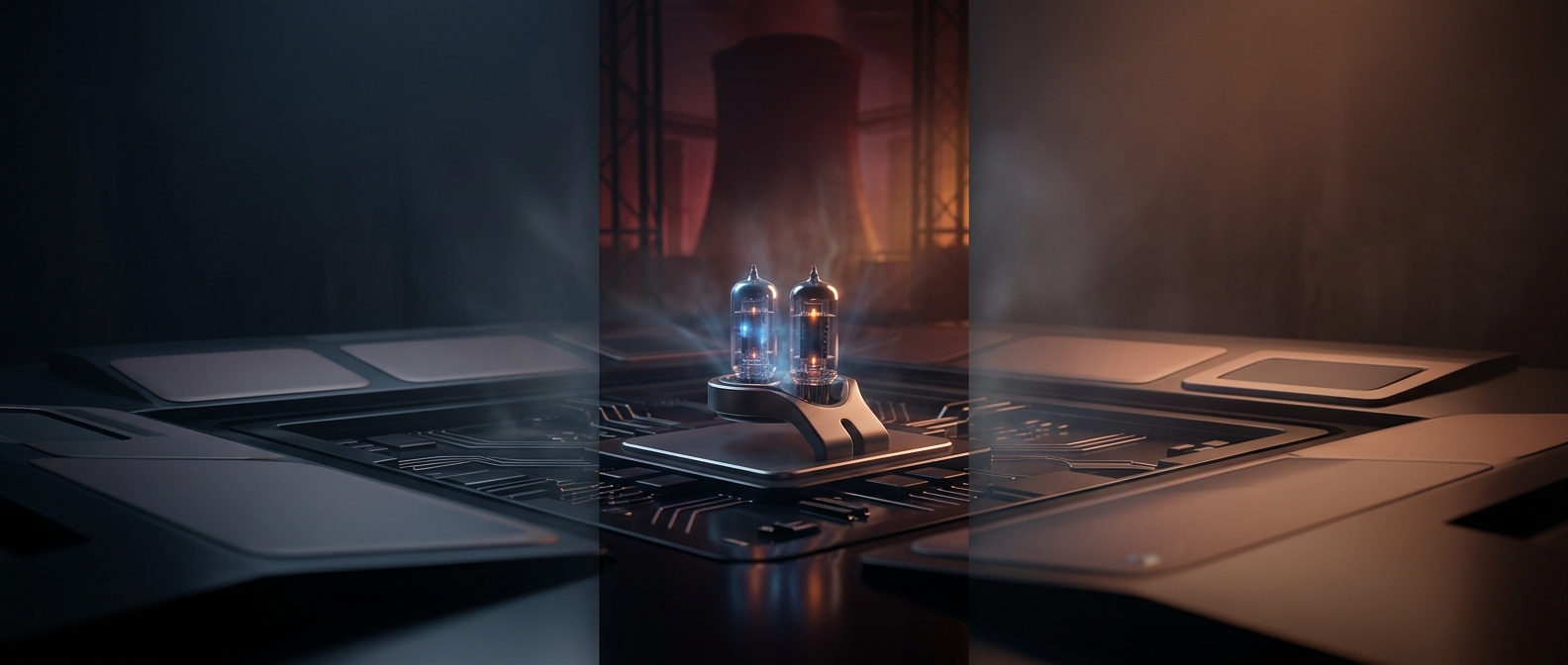
The tiny tube that can trigger a nuclear detonator
A krytron switches high voltages in fractions of a microsecond, allowing a nuclear weapon’s explosive lenses to fire simultaneously. That precise role makes…
Discover more
Why the snooze button lasts nine minutes
The nine-minute interval came from the gear ratios of mechanical clocks, not from human sleep cycles.
Discover more
Why cold-climate fire hydrants stay dry above ground
A dry-barrel hydrant keeps its main valve below the frost line. After use, the barrel drains so standing water cannot freeze and split the exposed body. The…
Discover more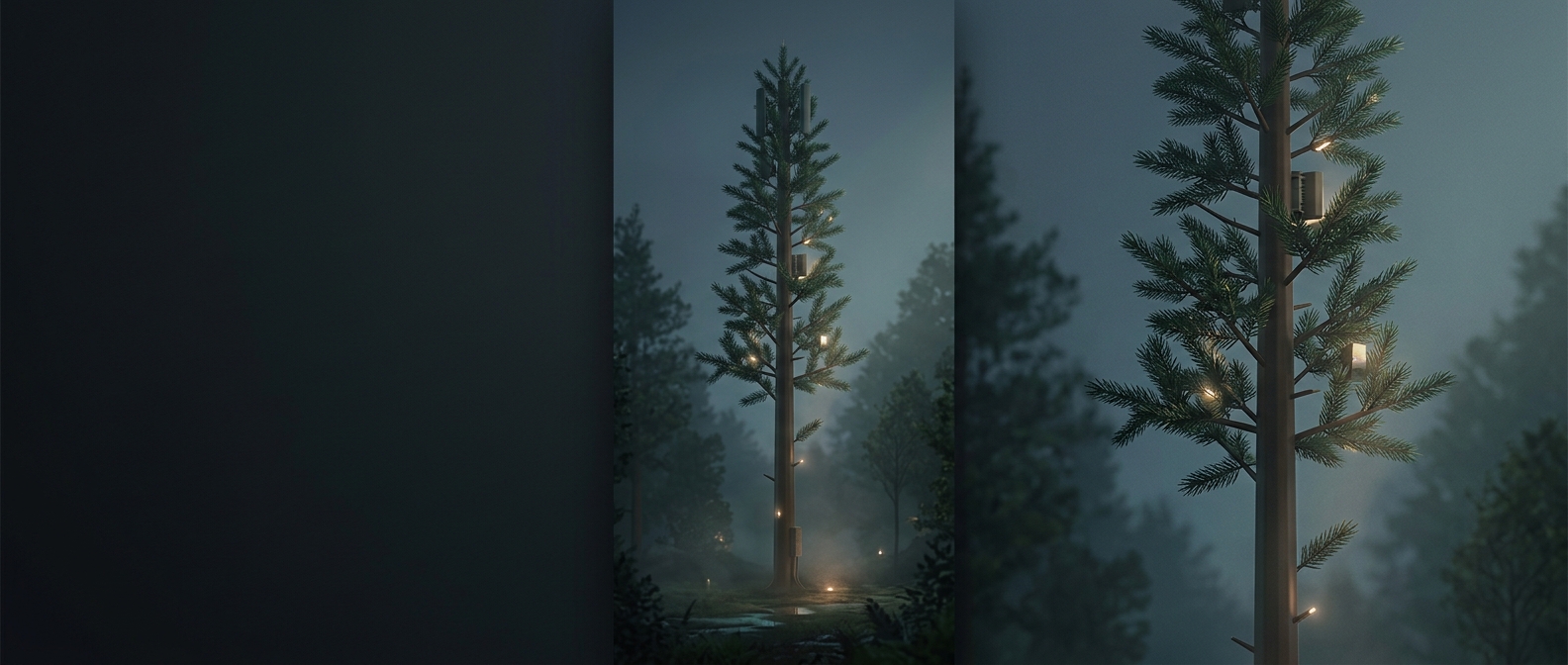
Why cell towers look like terrible trees
To meet local aesthetic rules, telecom companies sometimes add artificial branches to cell towers, disguising steel antennas as trees. The camouflage can make…
Discover more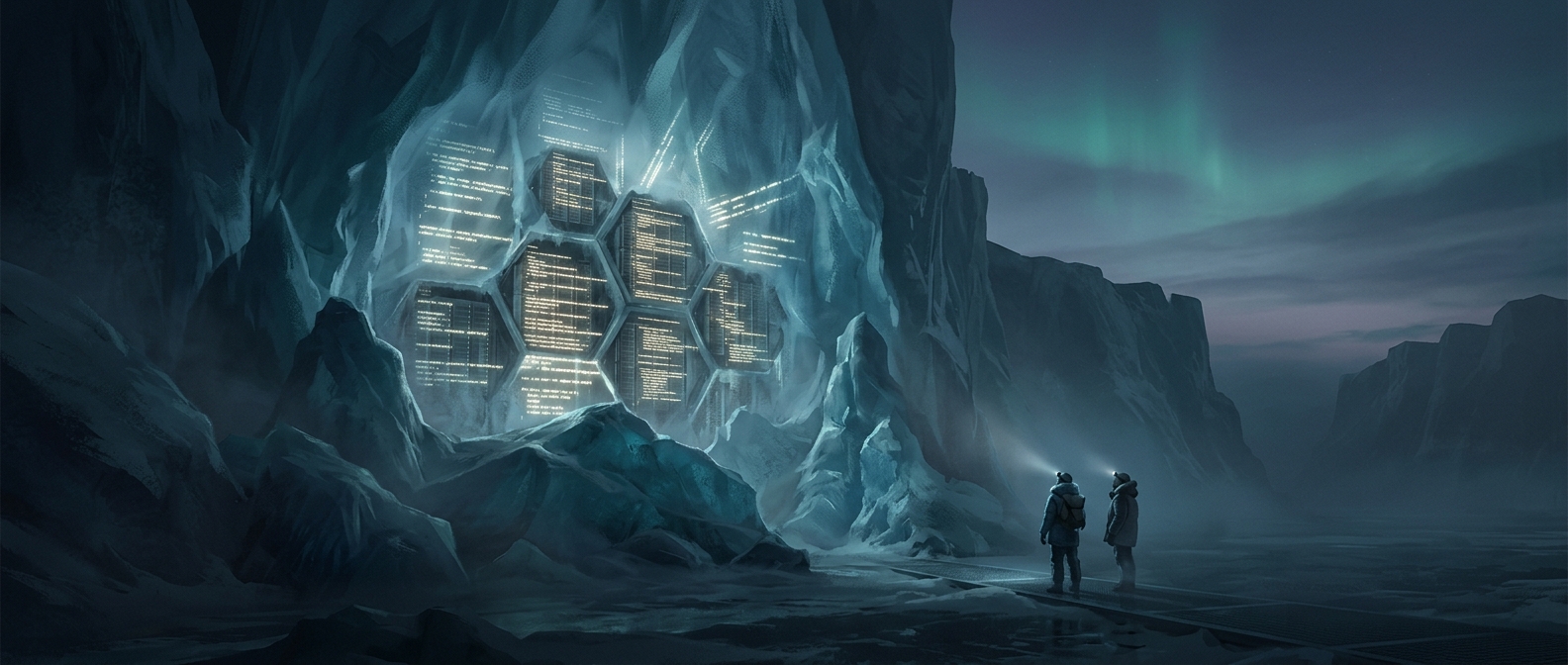
Open-source code is buried in an Arctic coal mine
GitHub's February 2020 snapshot preserved 21 terabytes of public repository data on 186 reels of film in an Arctic vault. The reels include human-readable…
Discover more
Dead pixels on screens just exist to mock you
That tiny flaw can keep drawing your eye, turning an otherwise perfect picture into a game of “find the pixel.”
Discover more STACKY FOR IPHONE
A bigger world.
One discovery
at a time.
Keep discovering with Stacky. Interesting facts in an app that is always within reach.

Lasers can slow atoms down until they are cold
Light carries momentum. An atom absorbing light traveling against its motion receives a tiny braking push; repeated, carefully tuned interactions reduce the…
Discover more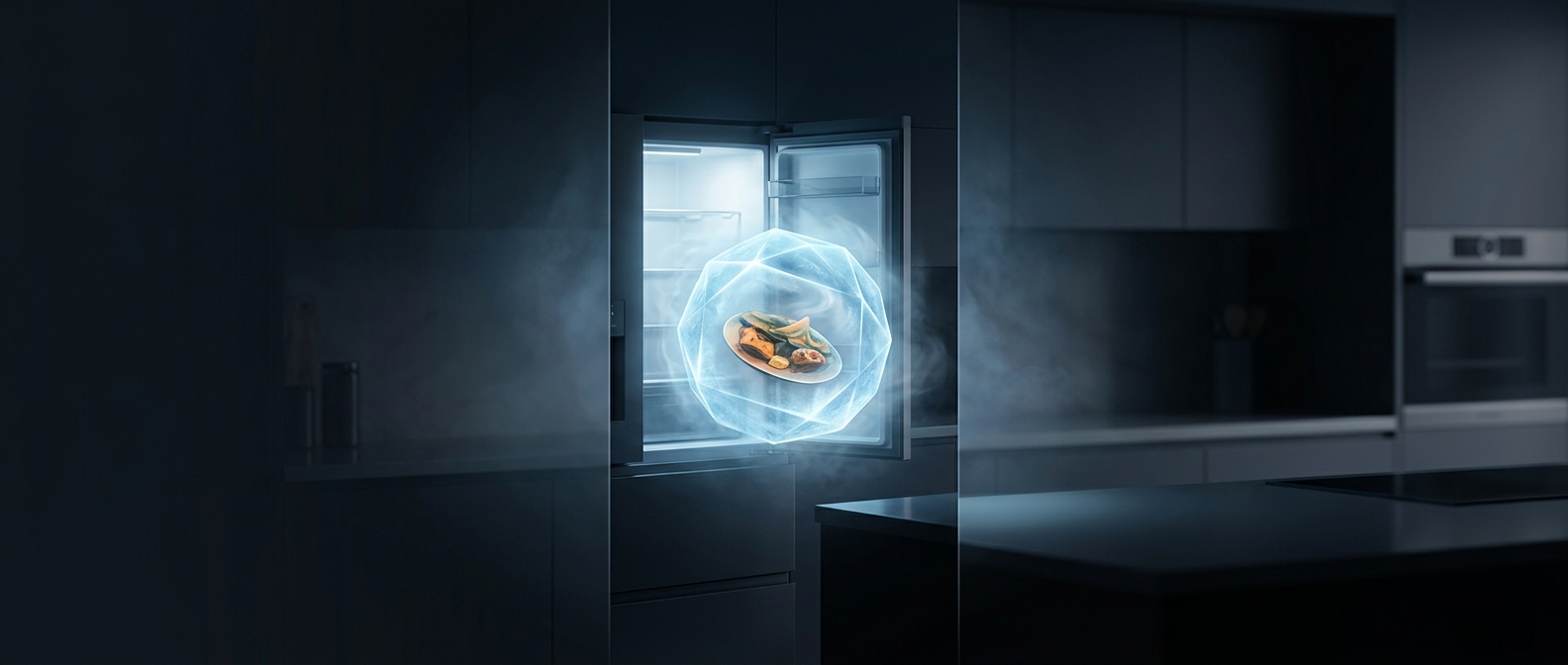
Trapping cold air to keep old leftovers
Cold slows spoilage, giving leftovers and produce more time before they go bad.
Discover more
Why Velcro rips so loudly
As the strips separate, thousands of tiny hooks pull free from loops, creating Velcro's distinctive ripping sound.
Discover more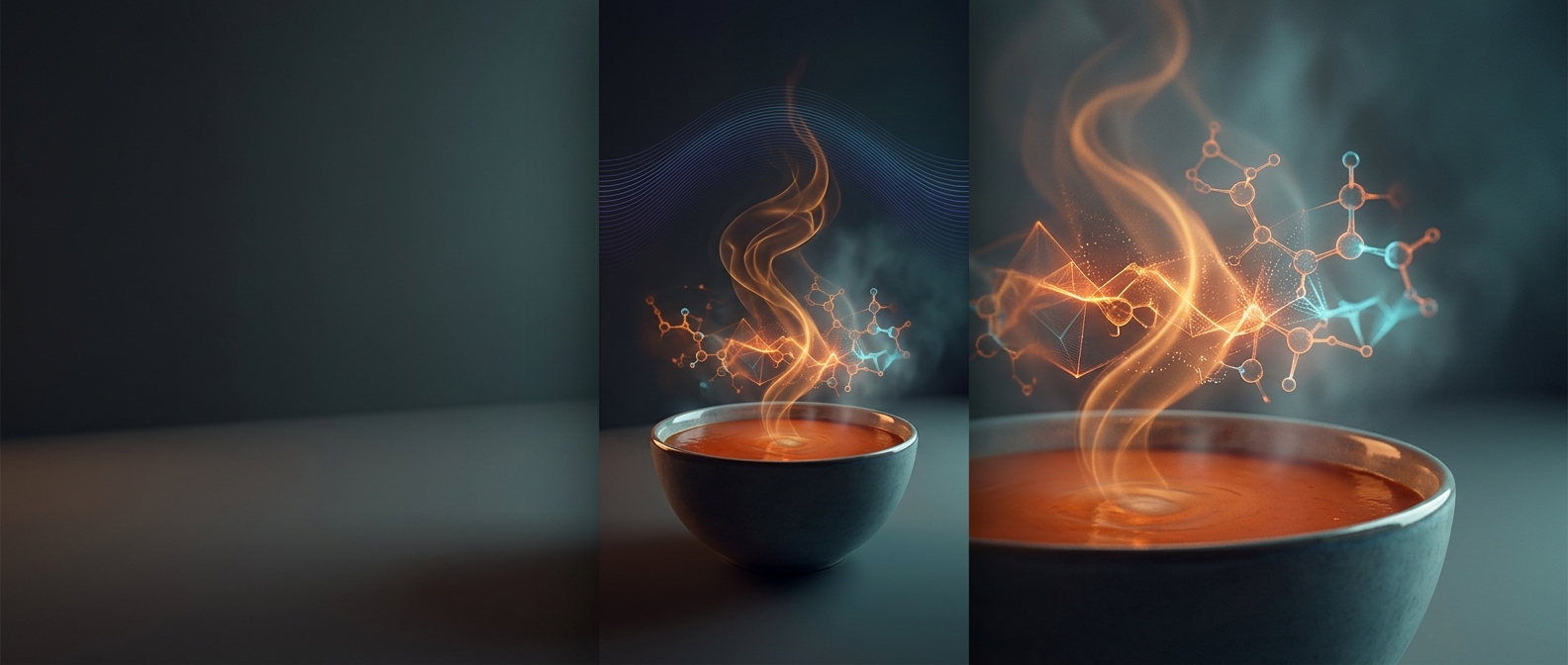
Vibrating water molecules to heat your soup
Microwaves heat moisture in food, but the heating can be uneven: the edges may scald while the middle stays cold.
Discover more
Dying exactly when you need them the absolute most
Those little acidic cylinders seem to run out at the exact moment your remote stops working from the couch.
Discover more
Converting immense racket into minimal suction
A vacuum can roar loudly while barely shifting dust on the carpet.
Discover more
Coding network cables with bright hues
Ethernet cables use color-coded twisted pairs, so the wires must be connected in the correct order. A miswired connection can leave you offline.
Discover more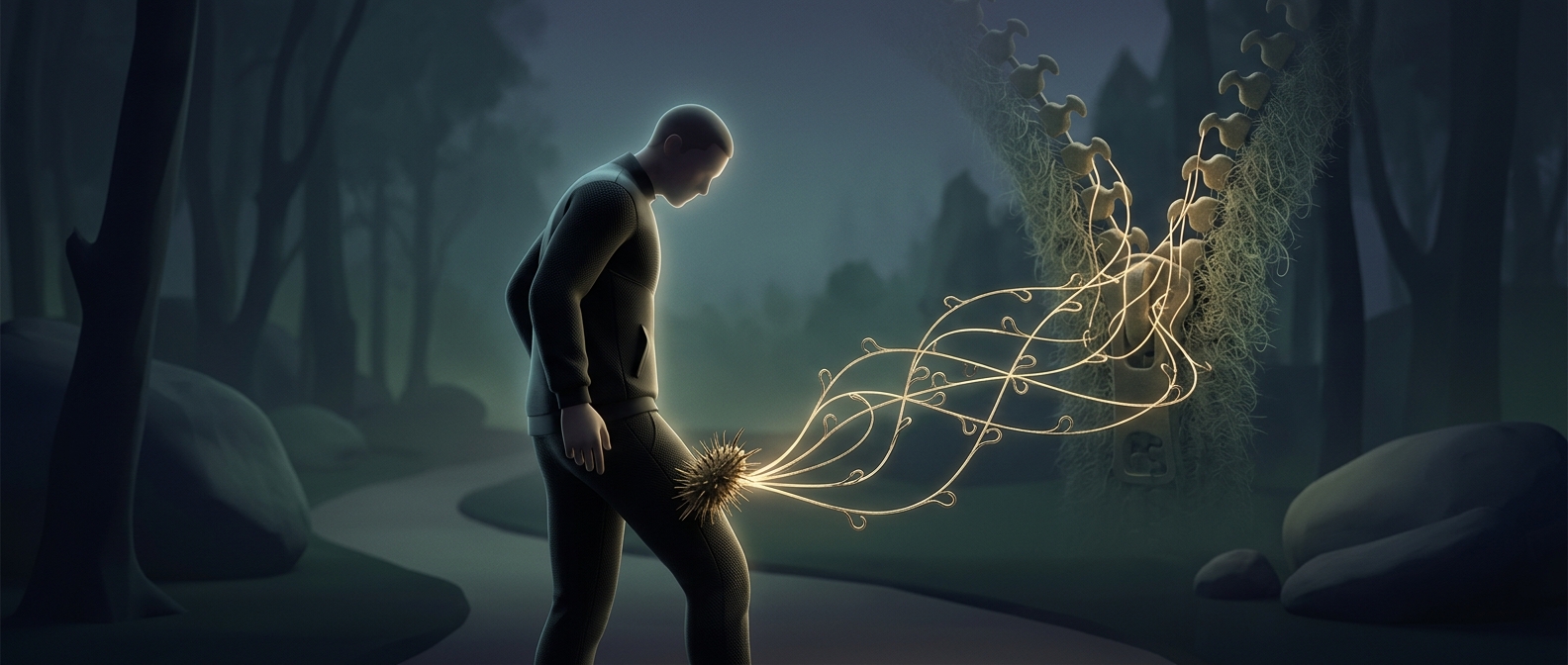
Velcro began with burrs stuck to a dog
Its design was inspired by the tiny hooks on prickly seeds that clung to a dog’s coat.
Discover more
A zipper closes a seam one tiny interlocking pair at a time
The slider guides two rows of teeth together in one direction and separates them in the other. Each pair holds its neighbors in alignment, turning many small…
Discover more
Why spam emails still promise imaginary fortunes
Fake royalty emails promising millions are among the internet's oldest scams—and they still show up in inboxes.
Discover more
Suffering from severe notification fatigue
When alerts keep buzzing for messages that don't matter, even useful notifications can start to feel like noise.
Discover more
Fulfilling absurd password requirements
A password for a site you visit once a year can still demand an uppercase letter, a special character, and what feels like a blood sacrifice.
Discover more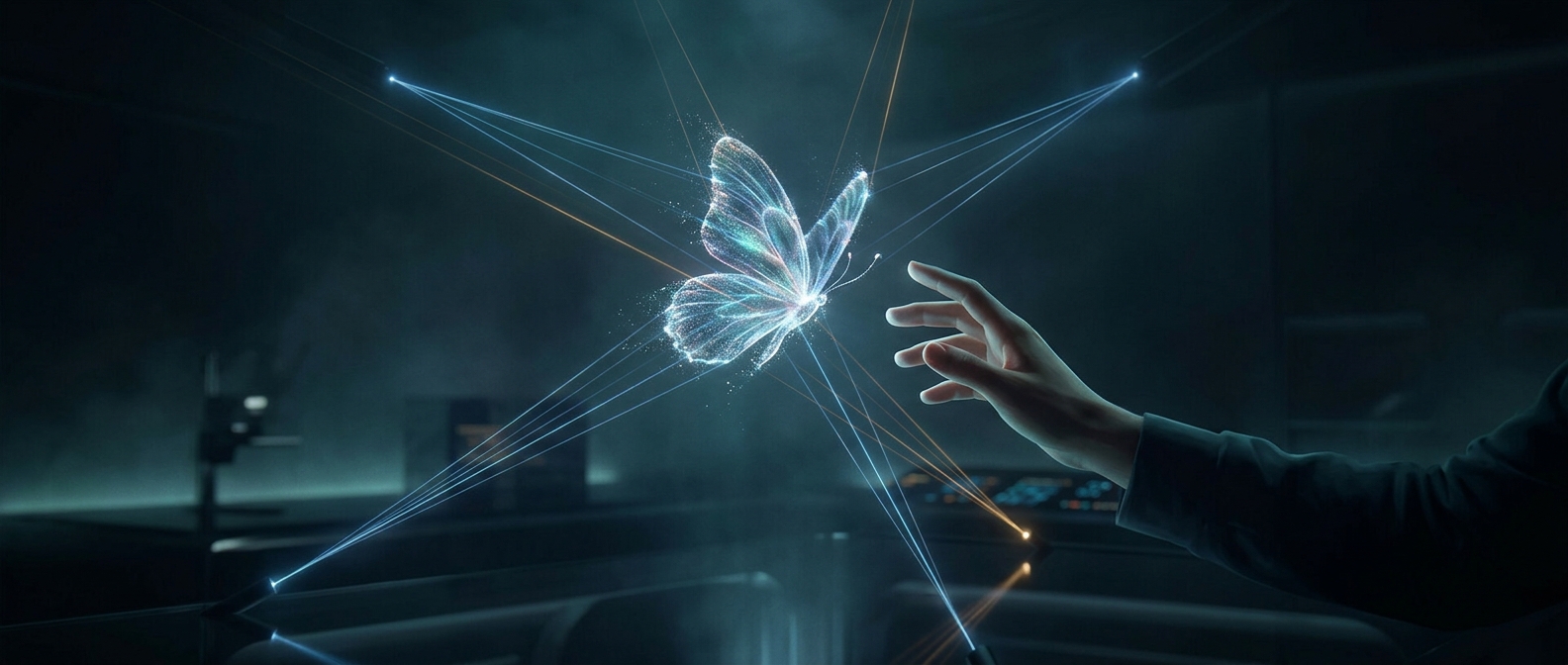
Trapping light to make fake objects
Intersecting lasers can make the eye perceive a three-dimensional structure that isn’t really there—a trick that uses light to create a convincing illusion.
Discover more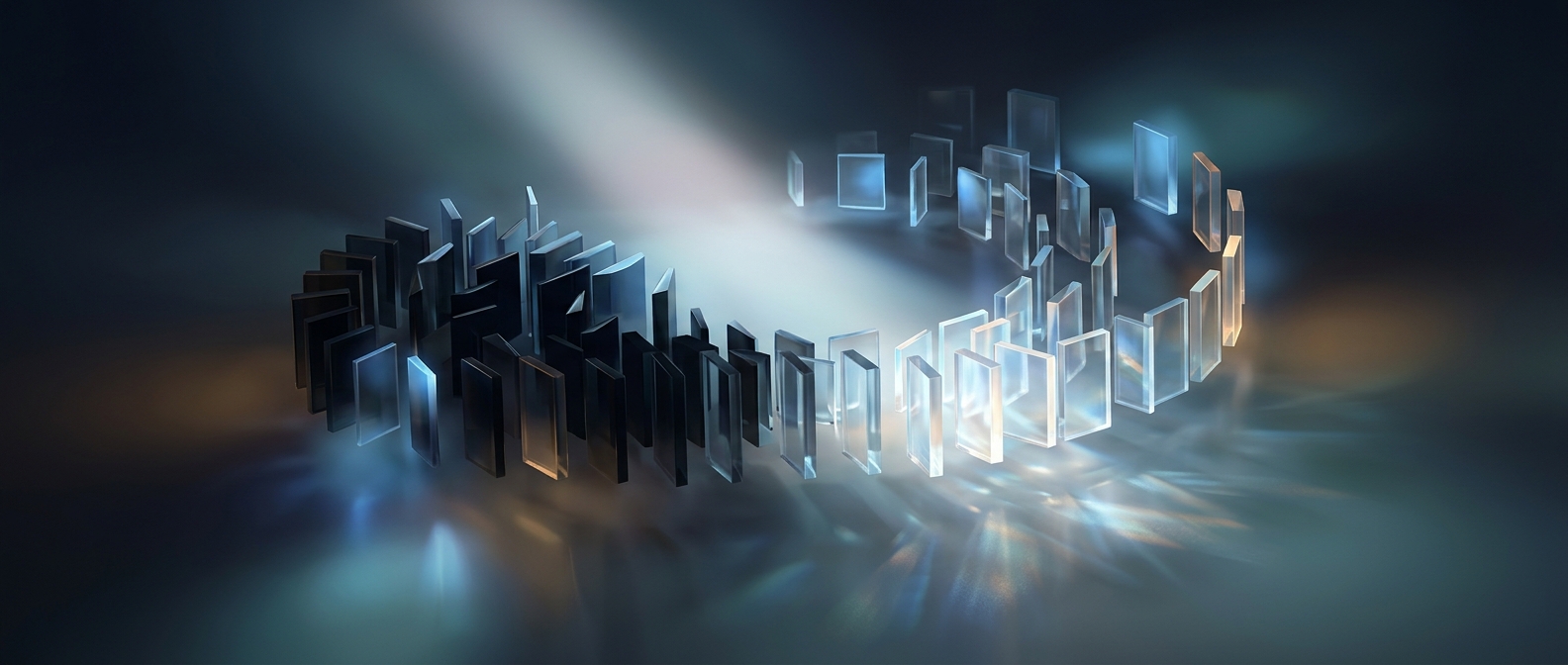
Liquid crystals selectively blocking light to make images
LCD screens use a backlight, then polarized filters and liquid crystals control how much light passes through to form an image. The crystals do not create the…
Discover more
Cleaner glass helped make light into a communication line
In 1970, Corning researchers reported optical fiber with a loss of about 20 decibels per kilometer, a landmark reduction. Light still weakened along the…
Discover more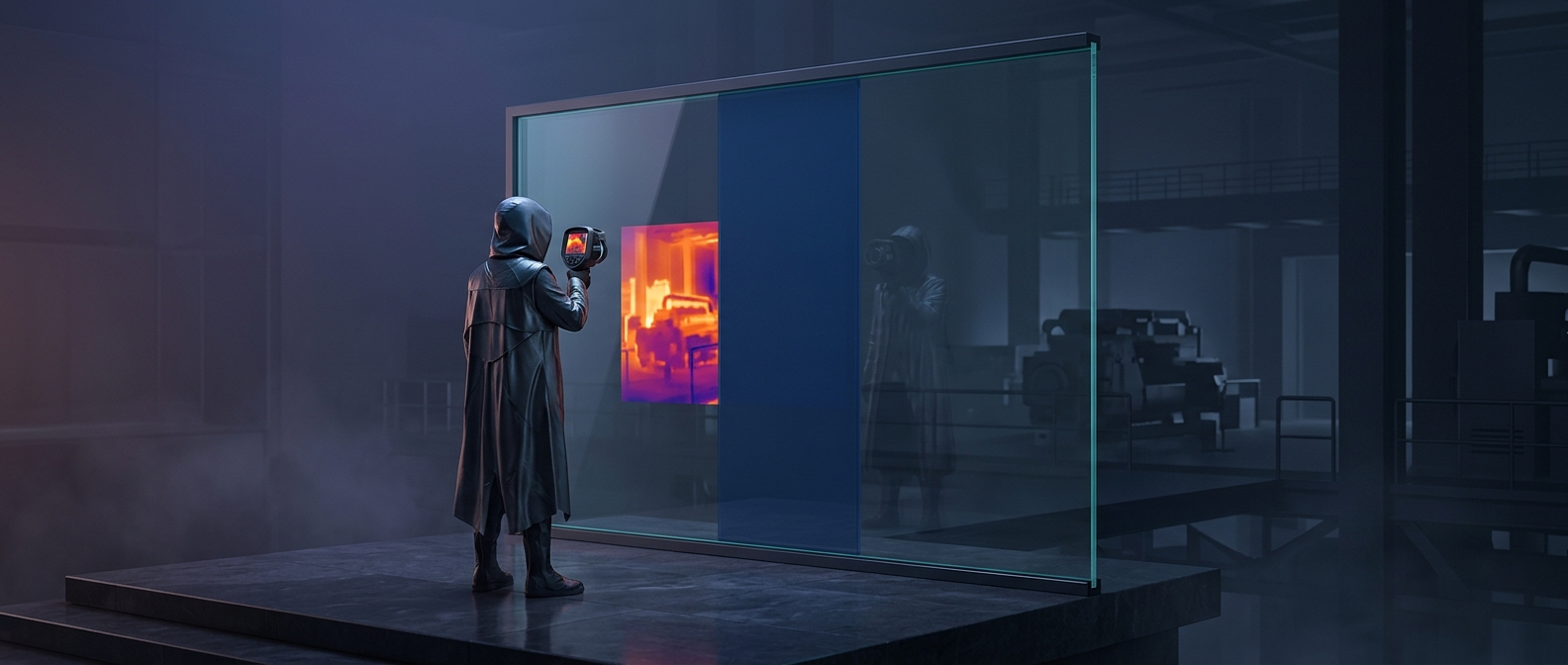
A pane of glass can fool a thermal camera
Ordinary glass blocks much of the infrared radiation thermal cameras detect, so a window can hide a warm body from view.
Discover more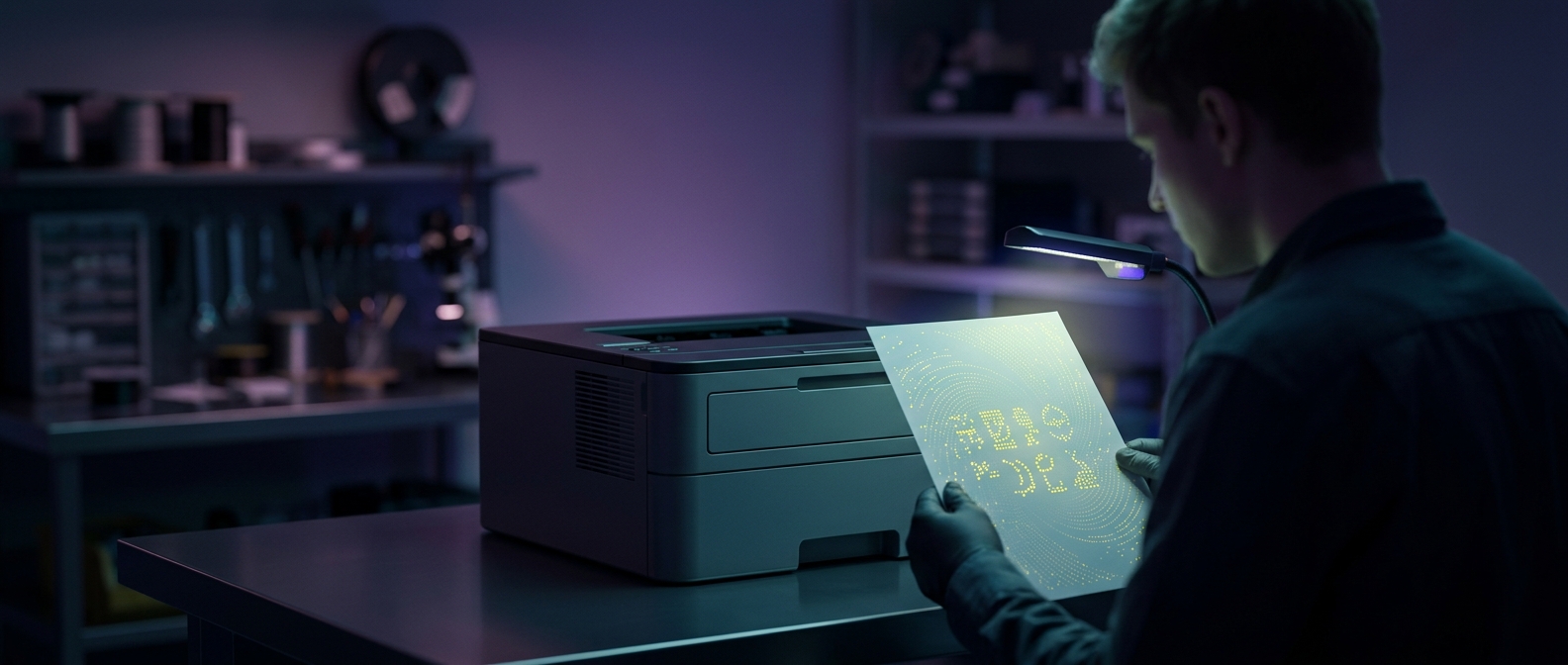
Color printers hide microscopic codes in your documents
Some color printers add microscopic yellow dots that can reveal when a document was printed, making anonymous printing harder.
Discover more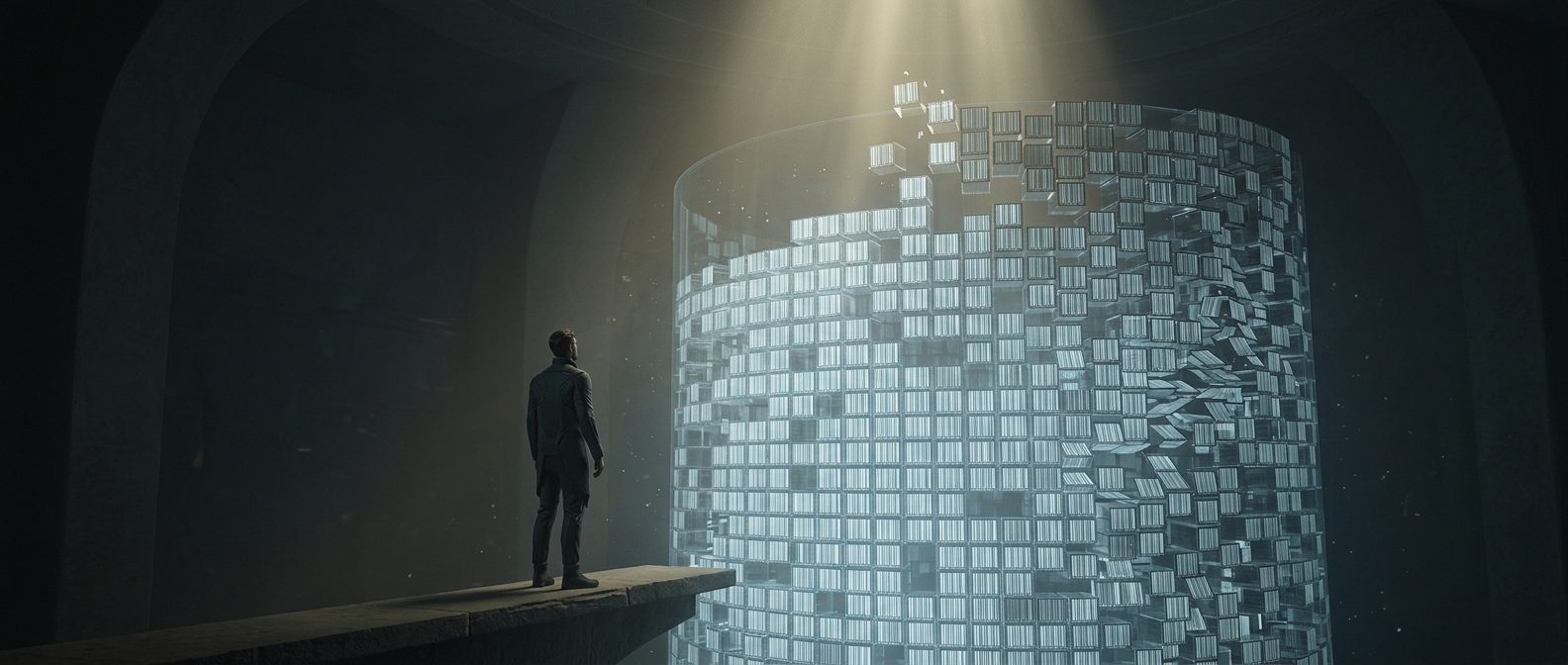
A damaged QR code carries clues to rebuild its own message
Its squares encode extra recovery information alongside the data you want to read. Depending on the error-correction level, a scanner can reconstruct missing…
Discover more