Technology
Discover facts about technology. Small discoveries that change the way you see familiar things.
Technology

Your inbox has to judge a sender before you ever open the message
Spam filters combine signals such as sender reputation, suspicious links and patterns in the message. Blocking junk is a classification problem with two…
Discover more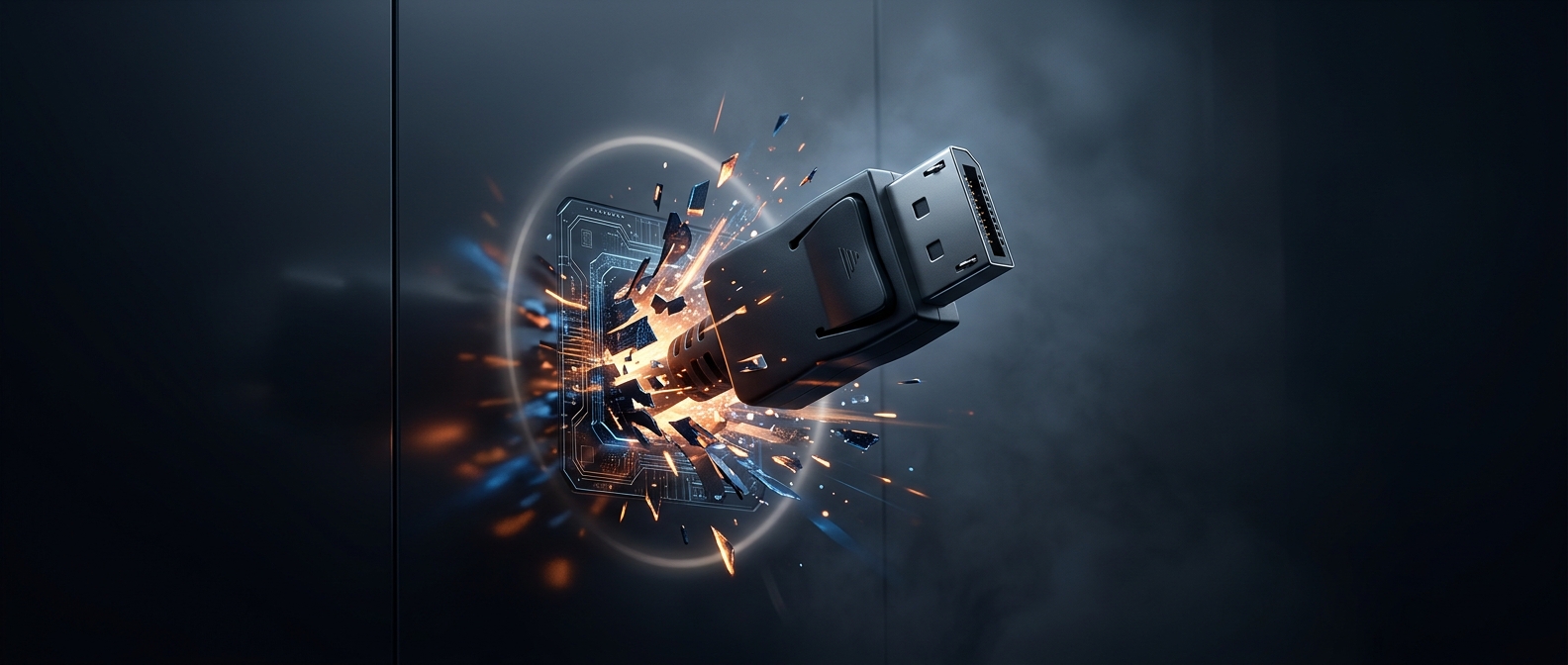
The tiny cable latch that can wreck your graphics card
Some DisplayPort cables have small metal latches that lock into the socket; press the release before pulling to help prevent damage to the port.
Discover more
A tiny uranium pellet packs the energy of tons of coal
A tiny uranium dioxide pellet can release as much heat through fission as burning thousands of pounds of coal, because its energy is packed into the atomic…
Discover more
Early telephones required human operators to patch calls
Callers asked an operator to connect wires on a switchboard, making each phone connection a manual process.
Discover more
eBay began as AuctionWeb, a very literal name for the idea
Pierre Omidyar's early site put online auctions in plain view, including in its name. It later adopted the shorter eBay identity. The contrast captures a…
Discover more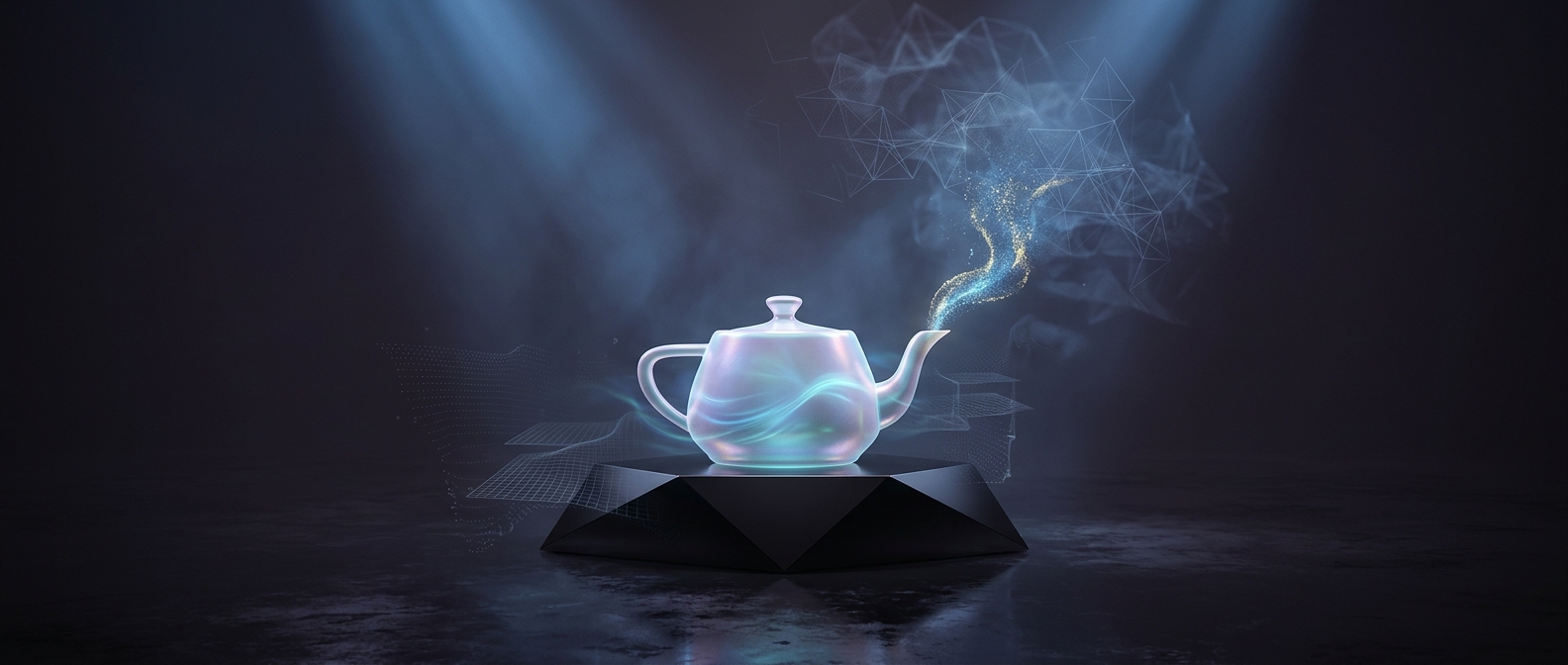
Why a teapot still appears in 3D graphics
Its curved surfaces made it a useful test for rendering light and shadows. The mesh became so popular that some graphics systems still include it as a…
Discover more STACKY FOR IPHONE
A bigger world.
One discovery
at a time.
Keep discovering with Stacky. Interesting facts in an app that is always within reach.
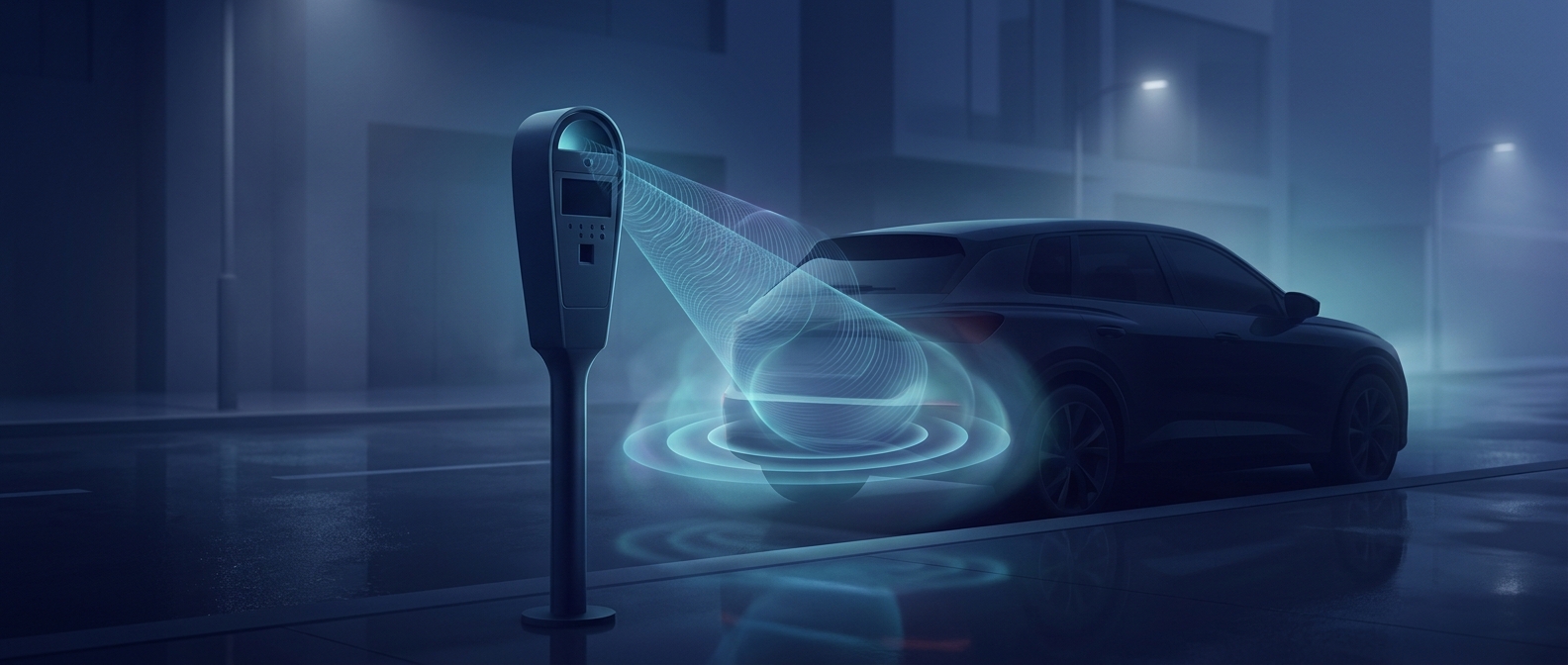
A smart parking sensor can tell when a space changes hands
Some systems detect a vehicle through changes in a magnetic field; others use radar, ultrasound, or cameras. The arrival and departure data can feed meters or…
Discover more
Why 123456 is still the world’s favorite password
Many people still choose “123456” rather than put up with more complicated security, even though that leaves their accounts vulnerable.
Discover more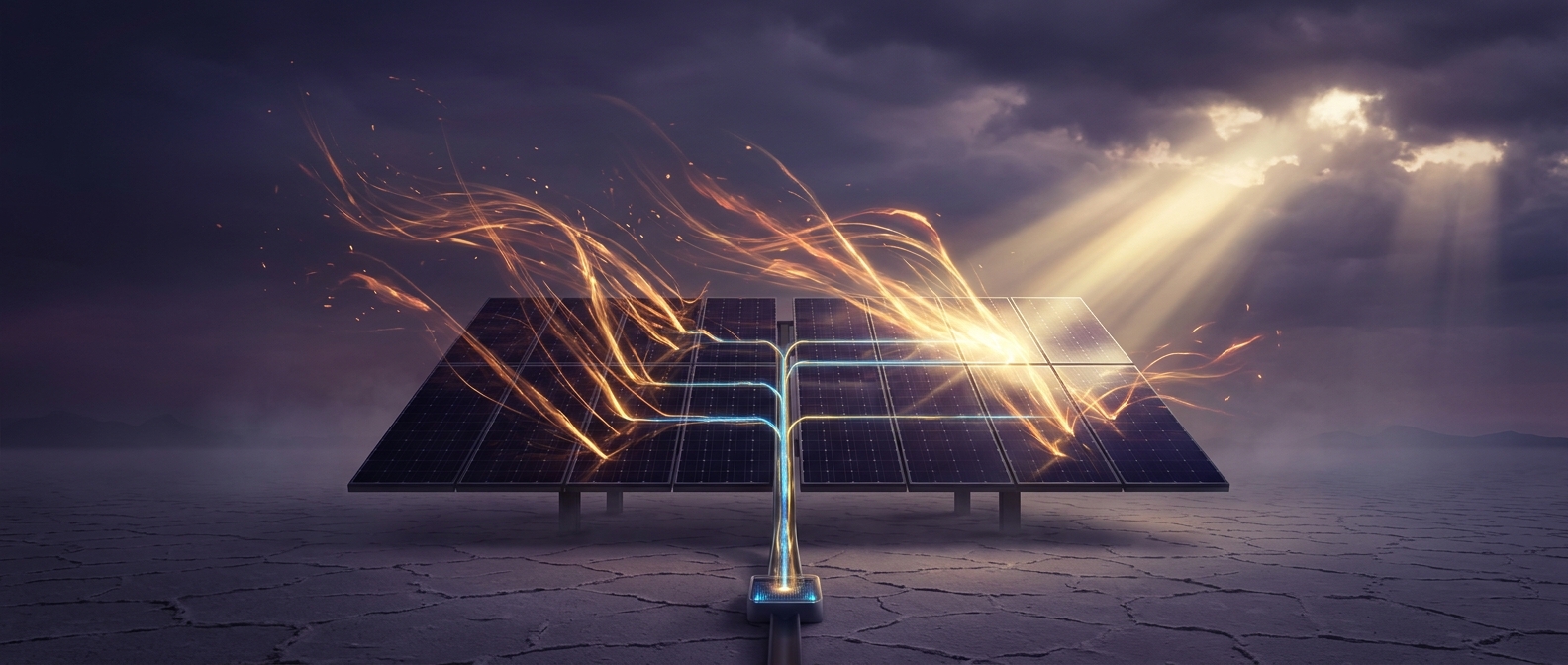
Why solar panels waste most of the sunlight they receive
Standard photovoltaic cells use only part of the sunlight that reaches them: some light is reflected, while much of the rest becomes heat rather than…
Discover more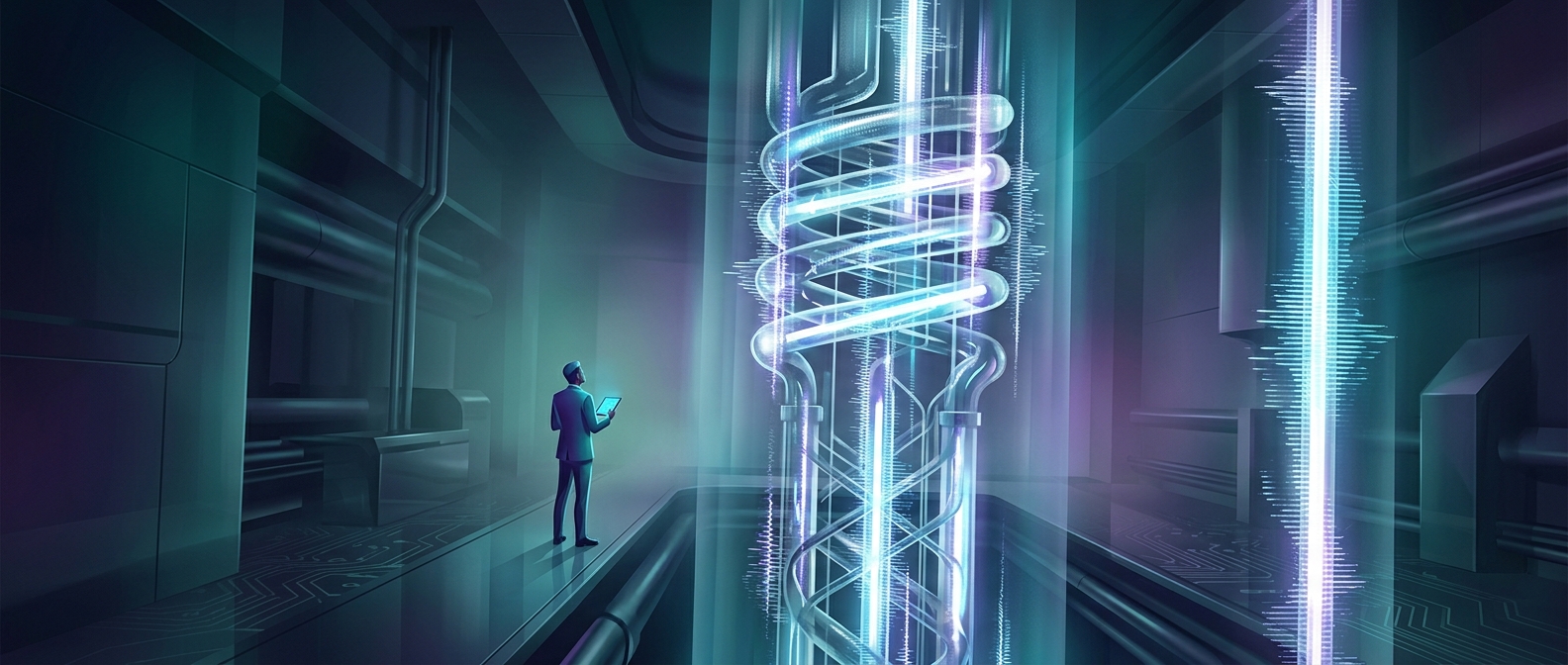
The lights overhead may flicker faster than you can see
Fluorescent lights can flicker as alternating current repeatedly ignites and extinguishes the gas inside them—dozens of times per second. The changes happen…
Discover more
Your investments may be riding on math, not people
High-frequency trading algorithms handle much of today's equity trading, reacting to news and tiny price differences in microseconds—far faster than human…
Discover more
Why 3D worlds use flat images
To create the illusion of depth, games often rotate flat sprites to face you, hiding the fact that they have no back.
Discover more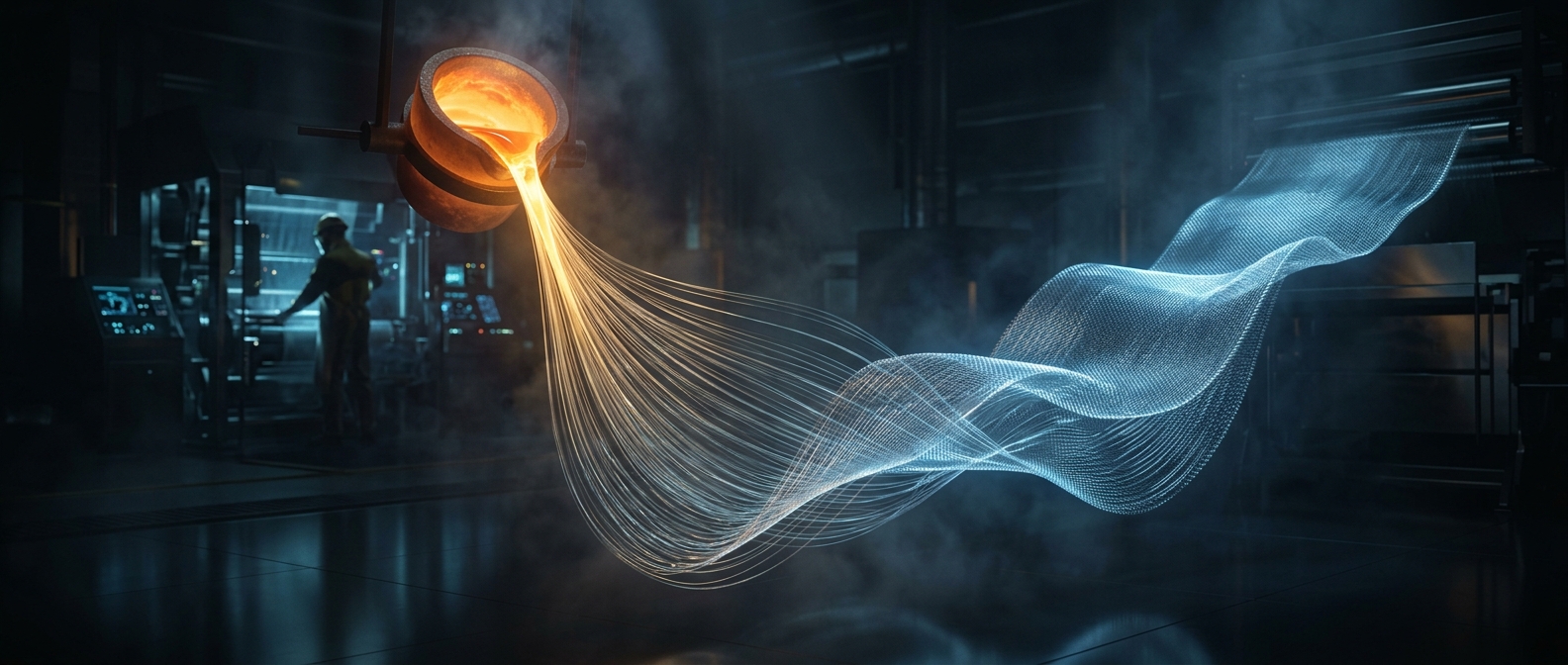
Glass can be spun into fabric
Molten glass is pushed through tiny holes into flexible threads that can be woven into fabric. Coated in resin, the material hardens into lightweight…
Discover more
Early emoji squeezed a weather report into 12 pixels
Shigetaka Kurita's 1999 set for NTT DOCOMO used 12-by-12-pixel images for things such as weather, transport, and emotion. On tiny mobile screens, a symbol…
Discover more
The pager made a person reachable away from a telephone
Al Gross developed a telephone pager in 1949, and hospitals became an early setting for the technology. A doctor no longer had to remain beside a particular…
Discover more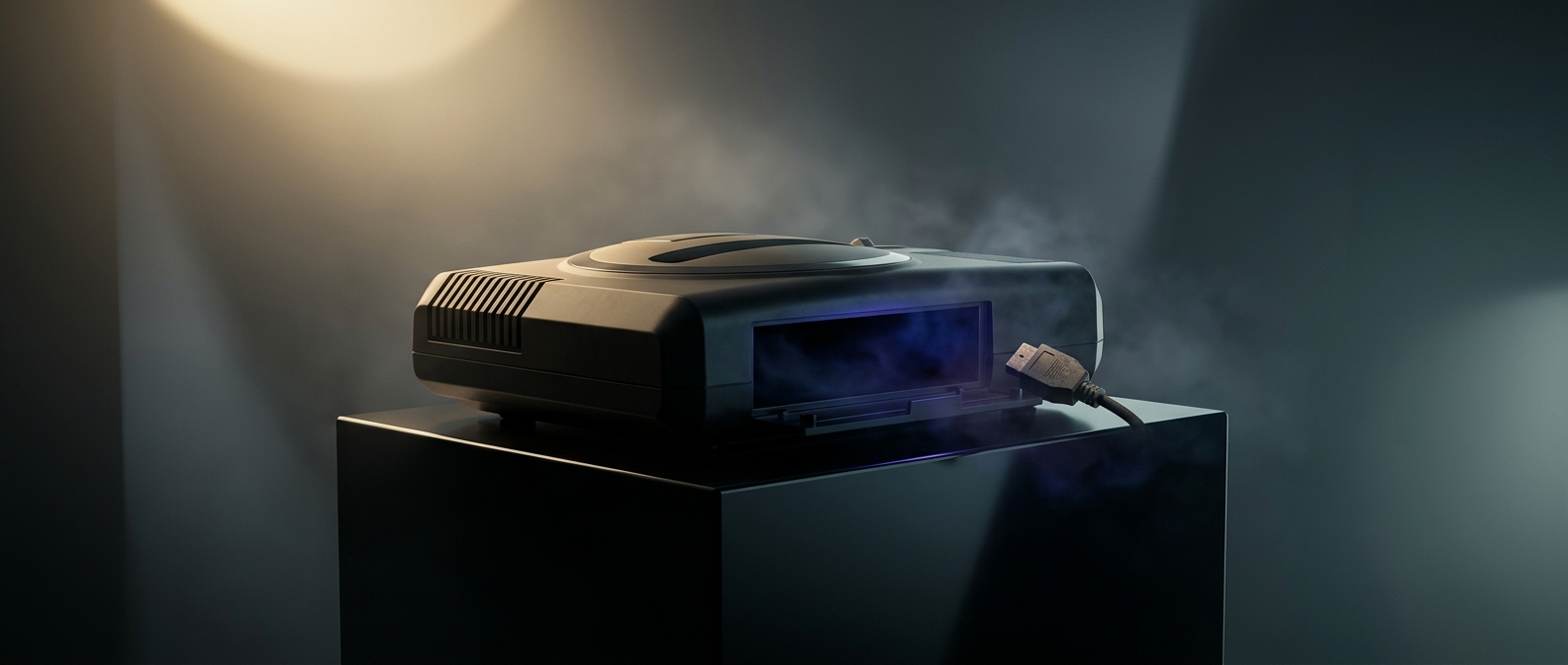
The Genesis had a door for an entire extra disc system
The covered connector on the original console let the Sega CD attach to it. That add-on brought a CD drive and additional hardware rather than merely changing…
Discover more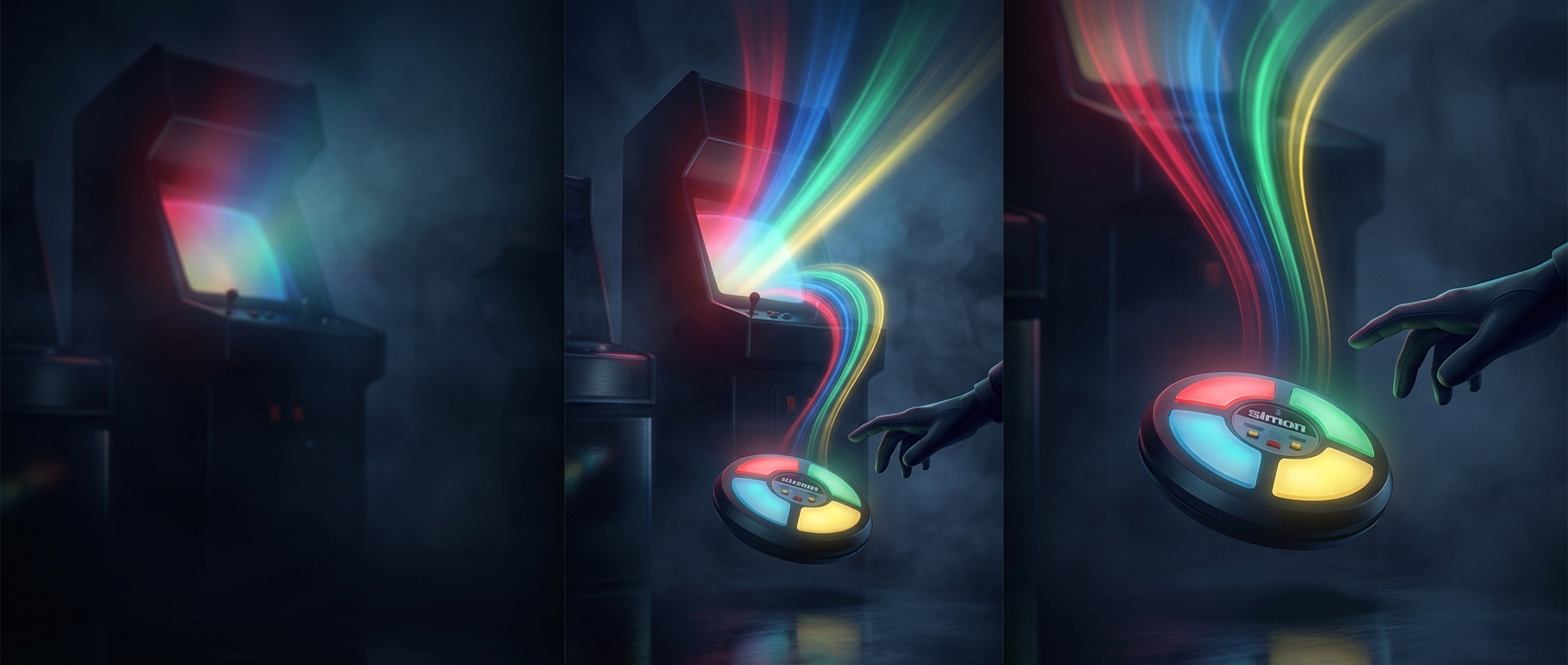
Simon electronic memory game was inspired by an arcade game
The creators adapted Atari’s obscure arcade game Touch Me into a round toy with four bright buttons.
Discover more
An electric chainsaw delivers turning force without revving a gasoline engine
Its motor can produce substantial torque from low speed, so pulling the trigger quickly gets the chain moving under load. That response feels different from…
Discover more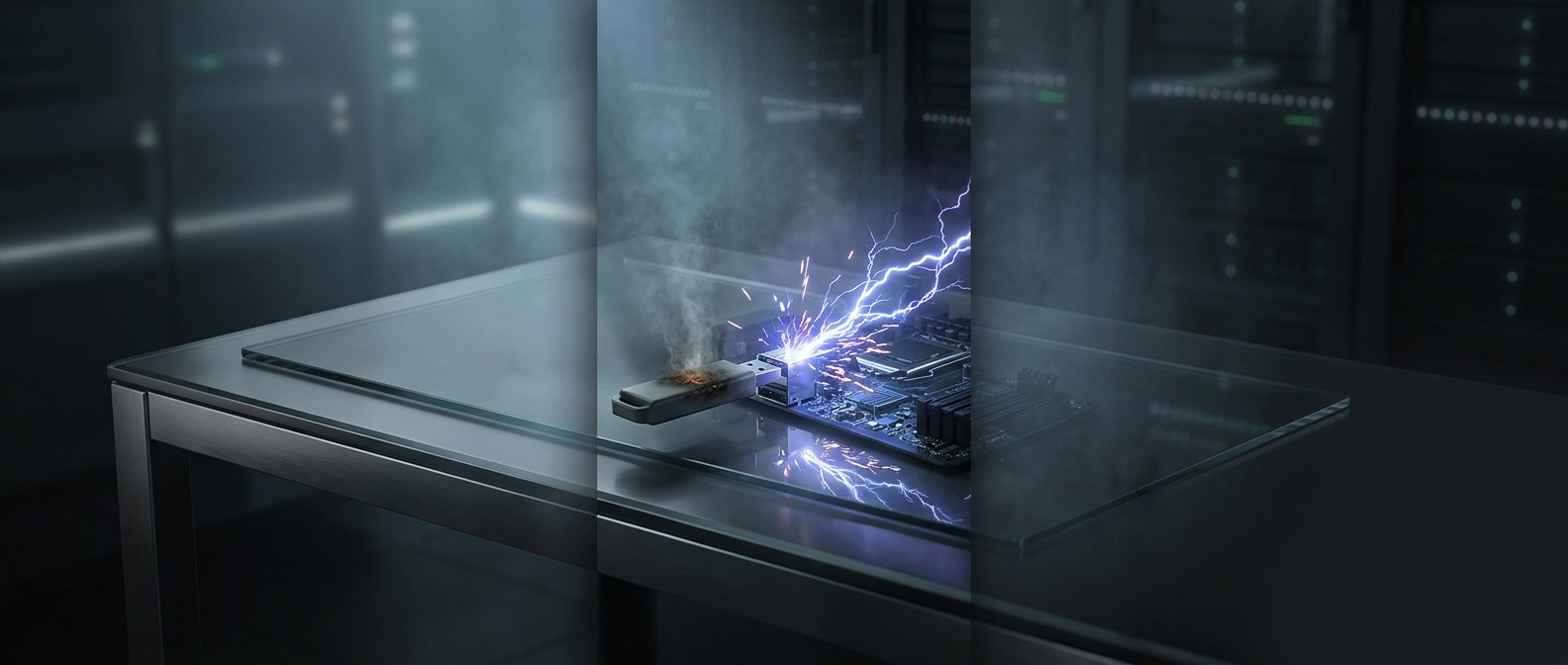
The innocent-looking USB drive that can fry your computer
A USB Killer draws power from the computer, builds it up to hundreds of volts, then sends it back through the USB data lines, potentially frying the machine.
Discover more
A transparent metal oxide lets your touchscreen see your finger
Indium tin oxide conducts electricity while letting light pass, so touchscreens can detect taps without blocking the display.
Discover more
How meme coins get value from hype
With no underlying physical assets or central authority, their value rests largely on buyers’ shared enthusiasm—enough to give some meme coins…
Discover more
Neoprene is a synthetic rubber resistant to oil
Unlike natural rubber, neoprene resists damage from oils and greases while staying flexible across a range of temperatures.
Discover more
An early car navigator found its way without GPS
The Etak Navigator tracked wheel movement and compared the car's route with maps stored on cassette tapes. Turns and bends helped correct accumulated position…
Discover more
Why auto-updates can break your device
An update that works on one hardware configuration may behave differently on another, so an automatic patch can disrupt features on some devices. That’s why…
Discover more