Technology
Discover facts about technology. Small discoveries that change the way you see familiar things.
Technology

How a coiled extension cord can melt itself
Being too neat with your garage wiring is surprisingly hazardous. Running heavy electrical current through a tightly wrapped extension cord turns the entire…
Discover more
Backspace and delete keys actually perform opposite actions
We blindly mash both to erase our terrible typos, but they are sworn directional enemies. The backspace key pulls your cursor backward to consume the…
Discover more
Smartphone glass shatters easily because it is rigid
The reason your screen shatters into a thousand pieces is exactly because it resists scratching so well. Manufacturers temper the glass to be incredibly hard,…
Discover more
Why modern electronics are built without drilled holes
Engineers got tired of poking holes in things. Older electronics required drilling thousands of tiny holes to pass metal legs completely through the board.…
Discover more
The developer excuse that never gets old
The classic, undeniable deflection used by coders when an application crashes in production. It masterfully shifts the blame entirely away from their sloppy…
Discover more
Why leather doesn't rot like skin
Without massive chemical intervention, leather jackets are essentially just decaying skin. The traditional tanning process forces raw animal hides into giant…
Discover more STACKY FOR IPHONE
A bigger world.
One discovery
at a time.
Keep discovering with Stacky. Interesting facts in an app that is always within reach.

Amazon Echo was almost called Amazon Doppler
Your favorite eavesdropping digital assistant almost sounded like a weather radar. During the secretive development phase of the device we now know as the…
Discover more
Every chip starts as a giant crystal cylinder
The foundation of the modern digital era is essentially just high-tech farming. Before becoming complex microchips, pure silicon is melted in a crucible and a…
Discover more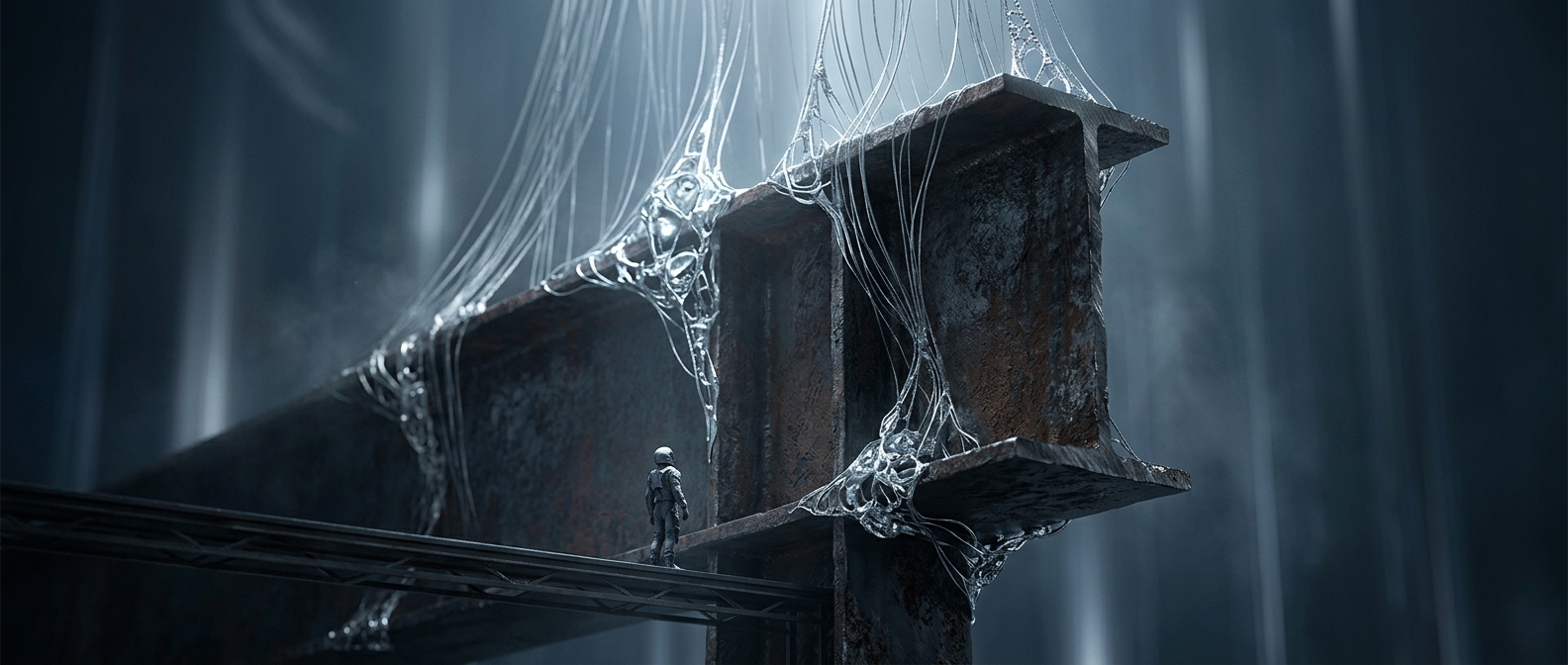
Your 'tin' can is mostly steel
The classic 'tin' can is actually a massive industrial lie designed to save money. Pure tin is far too weak and expensive to hold pressurized soup. Instead,…
Discover more
How players keep abandoned online games alive
When profit-driven corporations inevitably pull the plug on aging multiplayer titles, incredibly stubborn communities simply reverse-engineer the required…
Discover more
How a waffle iron helped create running shoes
Breakfast tools are apparently the secret to Olympic sprinting. An athletics coach completely destroyed his wife's waffle iron by pouring liquid rubber into…
Discover more
How movie music teaches you to fear villains
You do not even realize you are being trained to fear three specific piano notes. By playing a distinct musical phrase every time an antagonist appears,…
Discover more
Before Wikipedia, Jimmy Wales ran an adult site
Because nothing sets you up to build humanity's most comprehensive repository of free knowledge quite like digital smut. Before launching Wikipedia, Jimmy…
Discover more
The first laptop weighed 24 pounds
Because nothing says portable computing quite like lugging around a device the size and weight of a sewing machine. The Osborne 1, released in 1981, featured…
Discover more
Umbrellas pop open using a hidden sliding spring mechanism
Opening an umbrella is an act of releasing stored violence. A heavy spring is compressed in the shaft when closed. Pressing the button releases a catch,…
Discover more
Why pilots steer the rudder with their feet
You might think the pilot’s fancy steering yoke controls everything, but twisting the nose left or right is actually a massive footwork routine. Pushing the…
Discover more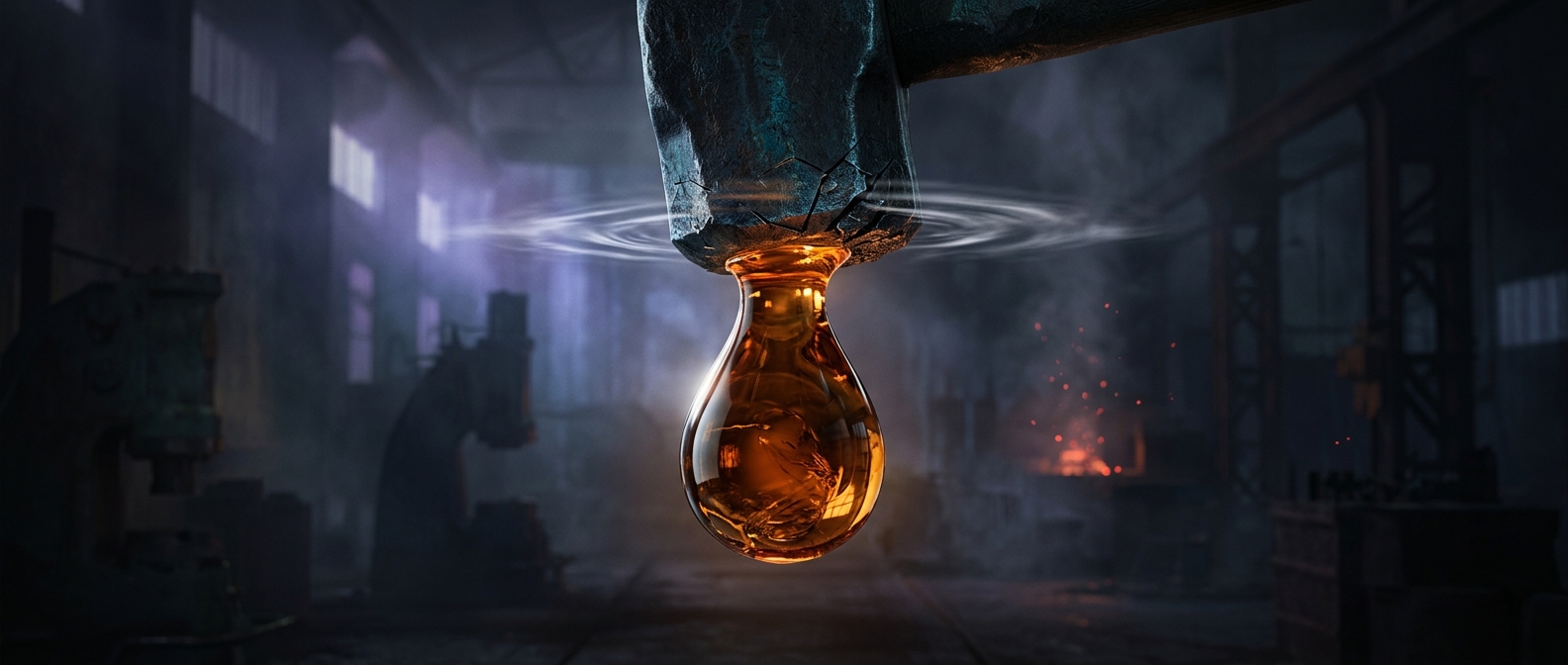
This glass drop survives a hammer—until its tail breaks
If you drip molten glass into cold water, it forms a tadpole shape that defies logic. The outside cools and shrinks instantly, while the inside remains hot.…
Discover more
How “hacker” went from compliment to criminal label
Back in the 1960s MIT Tech Model Railroad Club, a hack was a clever, elegant technical solution, and a hacker was an incredibly talented engineer. Then the…
Discover more
Ratchet wrenches use a spring-loaded pawl to spin freely
The satisfying click of a socket wrench is the sound of a tiny metal wedge repeatedly skipping over gear teeth. When you turn it one way, the wedge locks into…
Discover more
Paging networks penetrate buildings using low frequencies
Beepers refused to die because they understood the sheer power of low frequencies. While modern cellular networks struggle to reach inside thick concrete…
Discover more
The USB drive trap that defeats secure networks
Forget complex brute-force attacks; human curiosity is the ultimate security vulnerability. Attackers routinely scatter malicious flash drives in the parking…
Discover more
Web cookies are just digital sticky notes
Despite their sinister reputation for tracking your every move, these files are incredibly stupid. They are just tiny text strings websites force your browser…
Discover more
The bug that disappears when you inspect it
Named after the uncertainty principle, a heisenbug is an error that consistently crashes a program until you attach a diagnostic monitor to figure out what…
Discover more
Why OLED screens can develop ghost images
Because each tiny pixel generates its own illumination independently, the ones displaying static menus work way harder and age significantly faster than the…
Discover more