Technology
Discover facts about technology. Small discoveries that change the way you see familiar things.
Technology

The phone that brought iTunes before the iPhone
Apple actively helped another company beat them to the punch. The Motorola ROKR E1 launched in 2005 with Steve Jobs' blessing, acting as a terribly clunky…
Discover more
The hidden bar that keeps your spacebar level
Smashing your thumb on the edge of the longest key requires a hidden structural cheat. Because the spacebar is incredibly wide but only relies on a single…
Discover more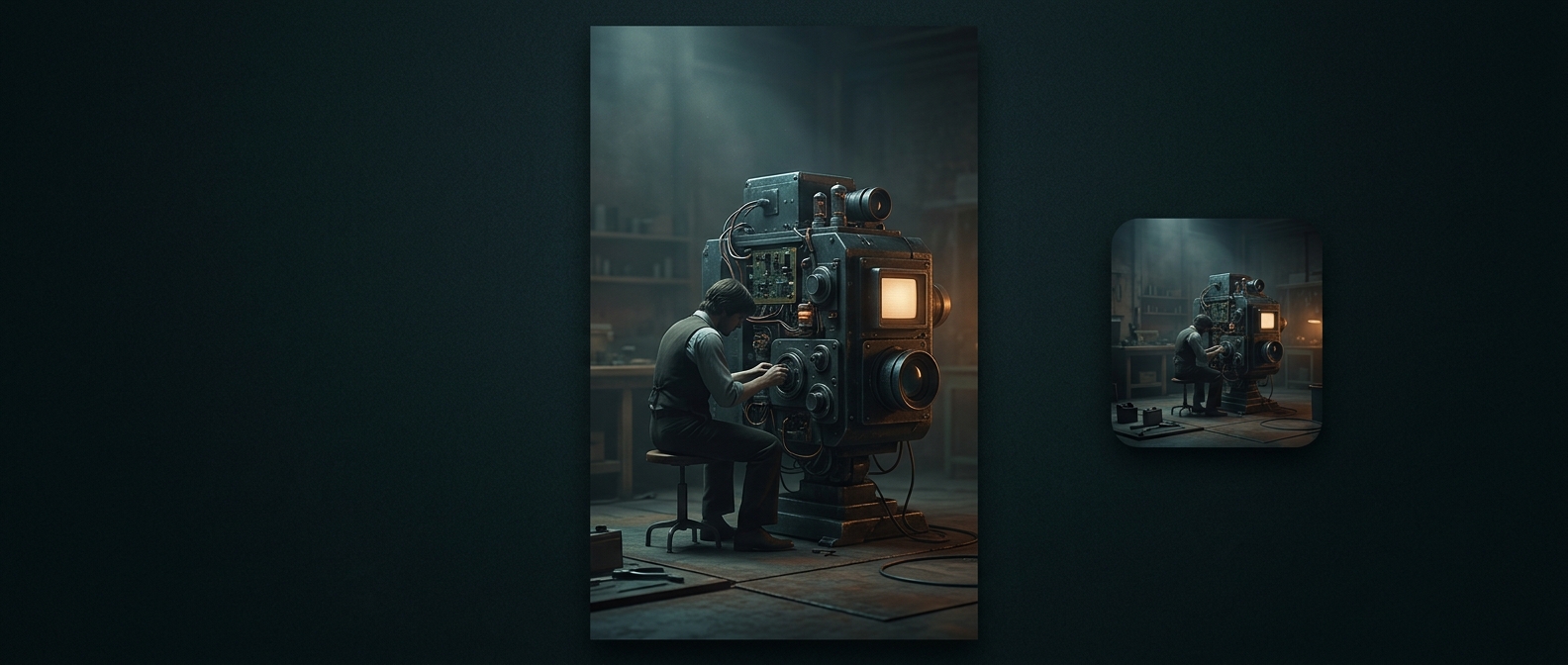
The first digital camera weighed eight pounds
Selfies originally required serious upper body strength. Long before Apple put three lenses on a slab of glass, a Kodak engineer named Steve Sasson built the…
Discover more
Astronauts drink recycled urine
Hauling immense tanks of liquid into orbit is brutally expensive, so orbital stations employ an incredibly complex distillation system. Crew members simply…
Discover more
Trackballs stay perfectly still while you spin a sphere
For those who find moving their wrist too exhausting, the trackball offers salvation. Instead of sliding a plastic husk across a desk, the device remains…
Discover more
Zipline cables are strung with a distinct downward slant
Hanging from a tiny pulley over a gorge relies entirely on a subtle decline. If the wire is strung too flat, you will awkwardly stall out in the middle of…
Discover more STACKY FOR IPHONE
A bigger world.
One discovery
at a time.
Keep discovering with Stacky. Interesting facts in an app that is always within reach.

Tarballs are literally just glued-together files
While modern zip files compress information to save space, a traditional tarball could not care less about file size. It simply grabs dozens of files and…
Discover more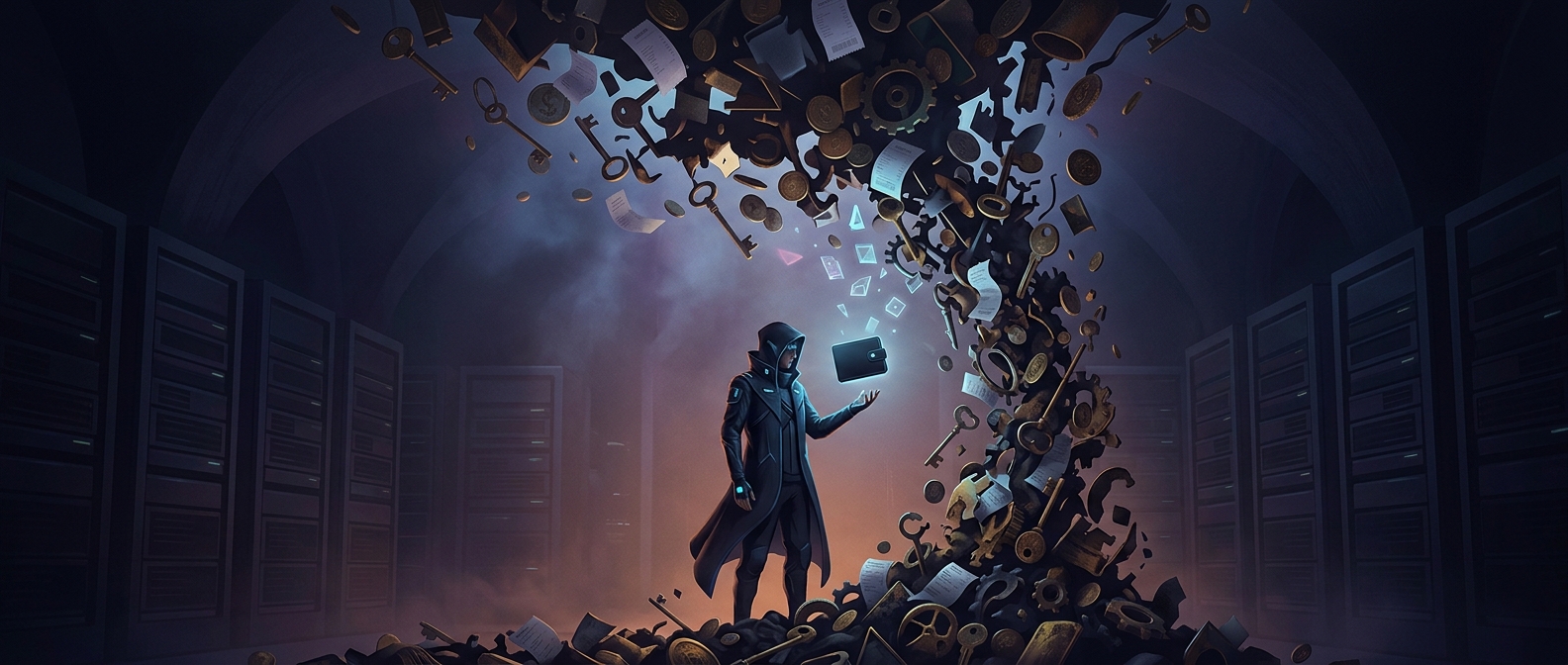
Crypto Airdrops Can Turn Your Wallet Into a Junk Drawer
It turns out digital junk mail is even more obnoxious than the physical kind. Crypto projects frequently utilize "airdrops" to artificially inflate user…
Discover more
Scissors apply severe shear force to separate materials
Blades don't actually cut straight down. The two metal wedges are tightly bolted together to push past each other, trapping the paper and applying localized…
Discover more
The tiny garage where HP got its start
Before massive corporate campuses with free sushi buffets and nap pods, the entire blueprint for Silicon Valley was drawn in a dusty 12-by-18-foot shed in…
Discover more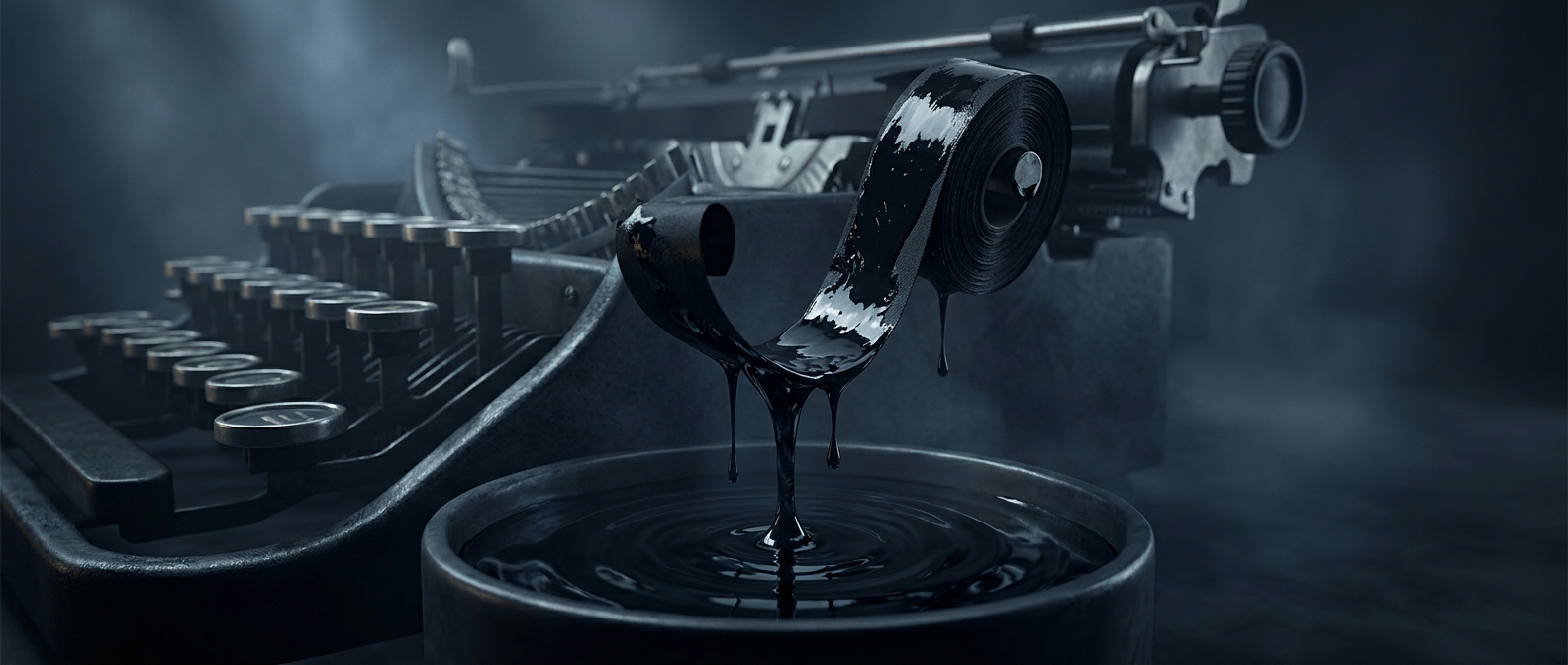
Early typewriter ribbons were literally soaked in wet ink
Because office work wasn't miserable enough without constantly staining your fingers jet black. The earliest typing machines required users to manually thread…
Discover more
FM radio signals die immediately behind obstacles
FM radio sacrifices distance for clarity, behaving exactly like a stubborn laser beam. Because it uses higher frequencies, FM signals cannot bounce off the…
Discover more
Why Instagram photos were once square
We spent billions developing high-resolution widescreen lenses just to crop it into a tiny box for aesthetics. The founders wanted to evoke nostalgic feelings…
Discover more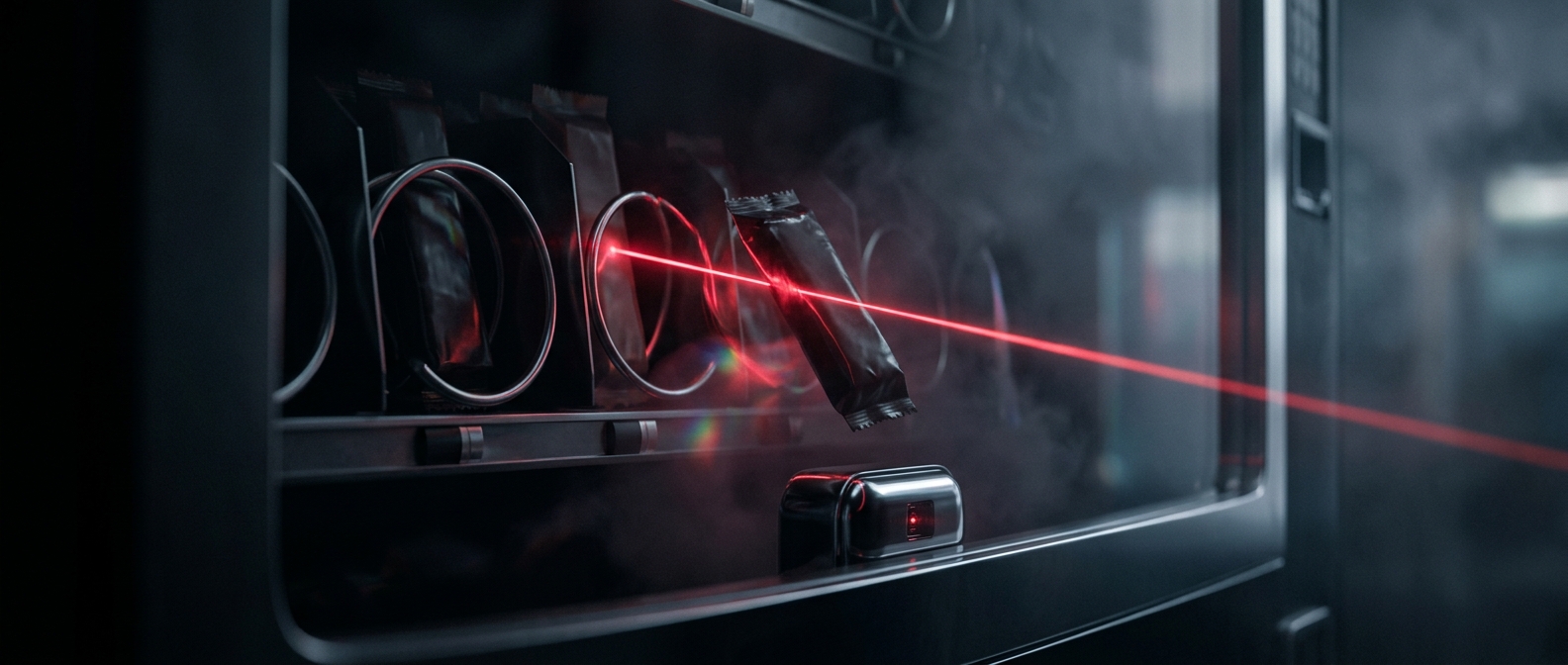
How vending machines know your snack really fell
Staring at a snack dangling precariously off a metal coil is a universal human nightmare. Modern machines actually shoot an invisible beam across the bottom…
Discover more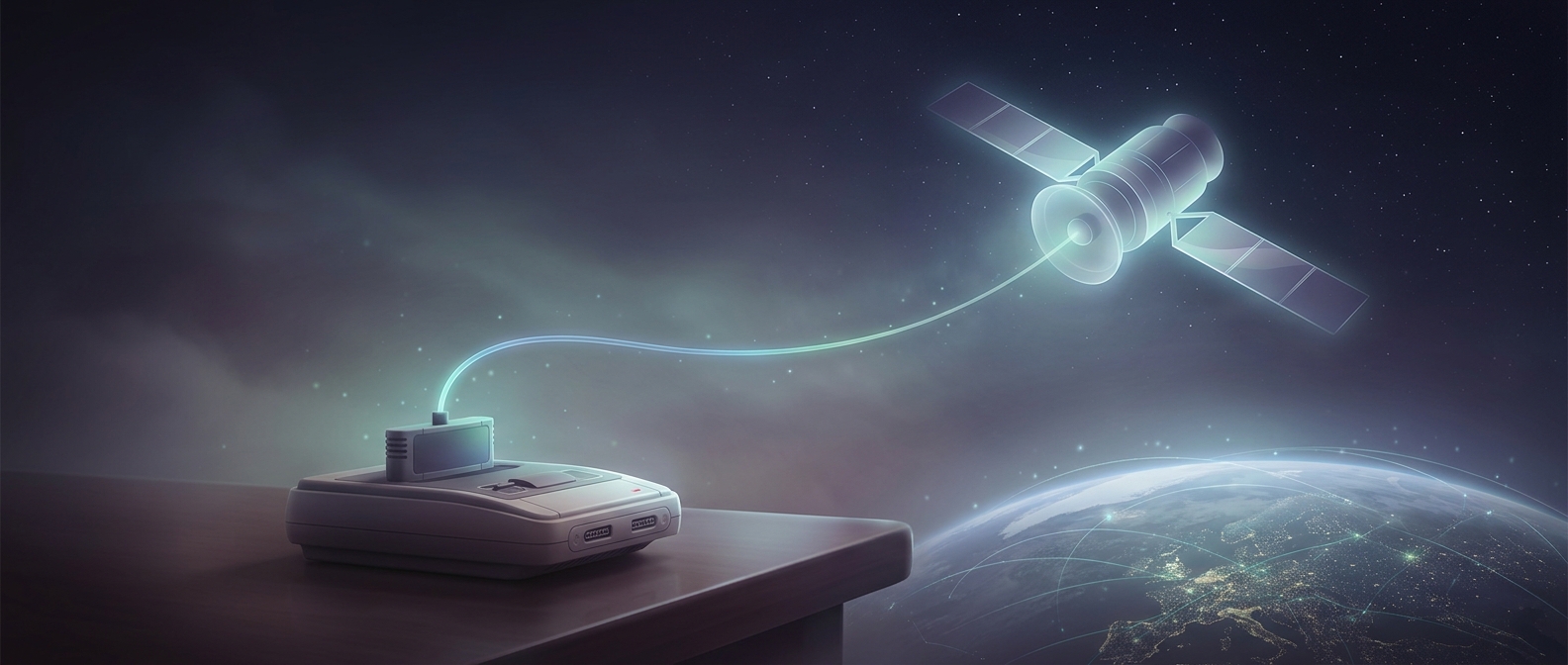
When downloading a game meant waiting for a satellite
Because dial-up wasn't difficult enough, the Satellaview required users to download games broadcast directly from a literal satellite in orbit. It only…
Discover more
Desktop icons are visual shortcuts to hidden files
Your cluttered screen is just a giant bulletin board full of meaningless sticky notes pointing elsewhere. The colorful icons on your desktop do not actually…
Discover more
How speedrunners make inputs humans can’t match
Human reflexes are far too sluggish to achieve true digital perfection. Enthusiasts utilize special emulator tools to program inputs that execute perfectly on…
Discover more
Frequency division creates distinct transmission lanes
Airwaves are just incredibly strict highways with invisible lanes. Frequency Division Multiplexing allows massive amounts of data to travel simultaneously…
Discover more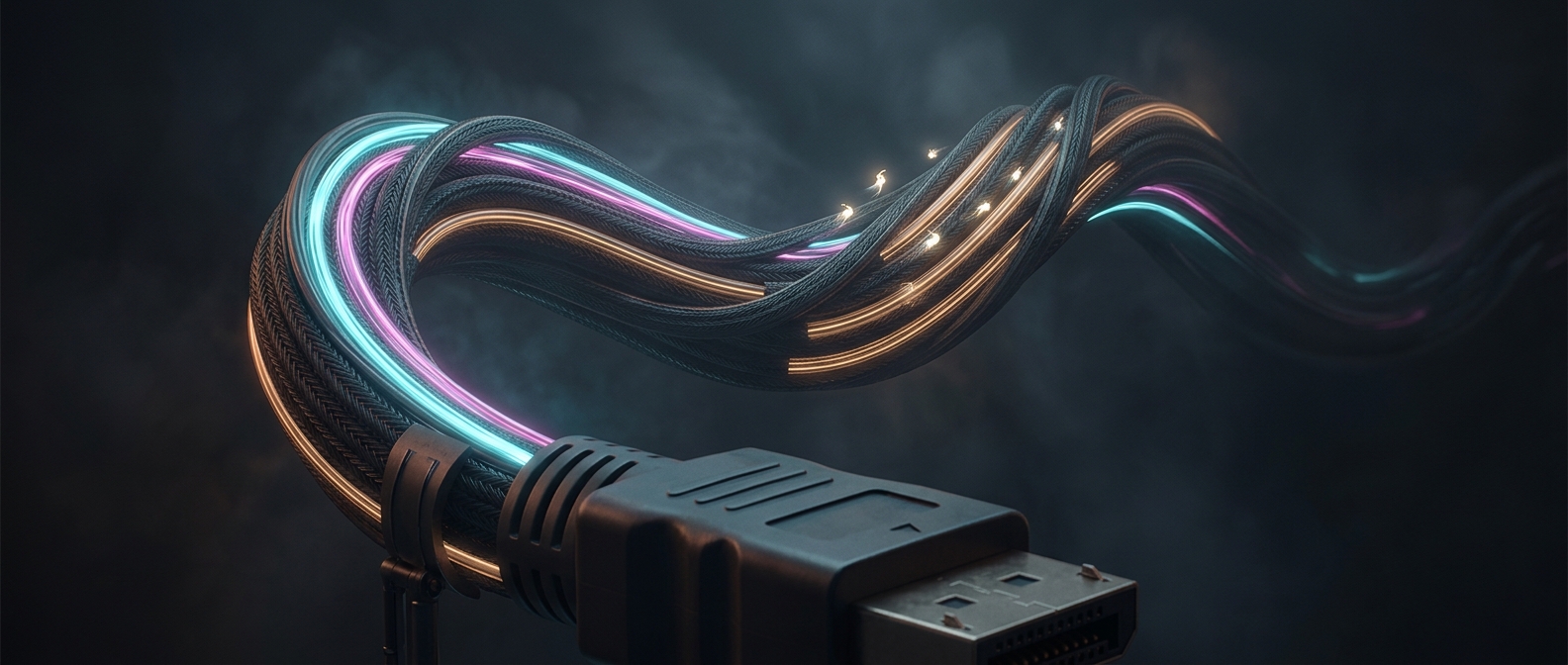
Why some display cables have unused wires
You paid for a premium cord, but you are not even using half the wires inside it. Most modern high-definition display cables have dedicated pins strictly for…
Discover more
Mozilla was named as a “Mosaic Killer”
In the cutthroat world of 1990s browser wars, subtlety was dead. Mosaic was the dominant web browser, and Netscape's engineering team internally named their…
Discover more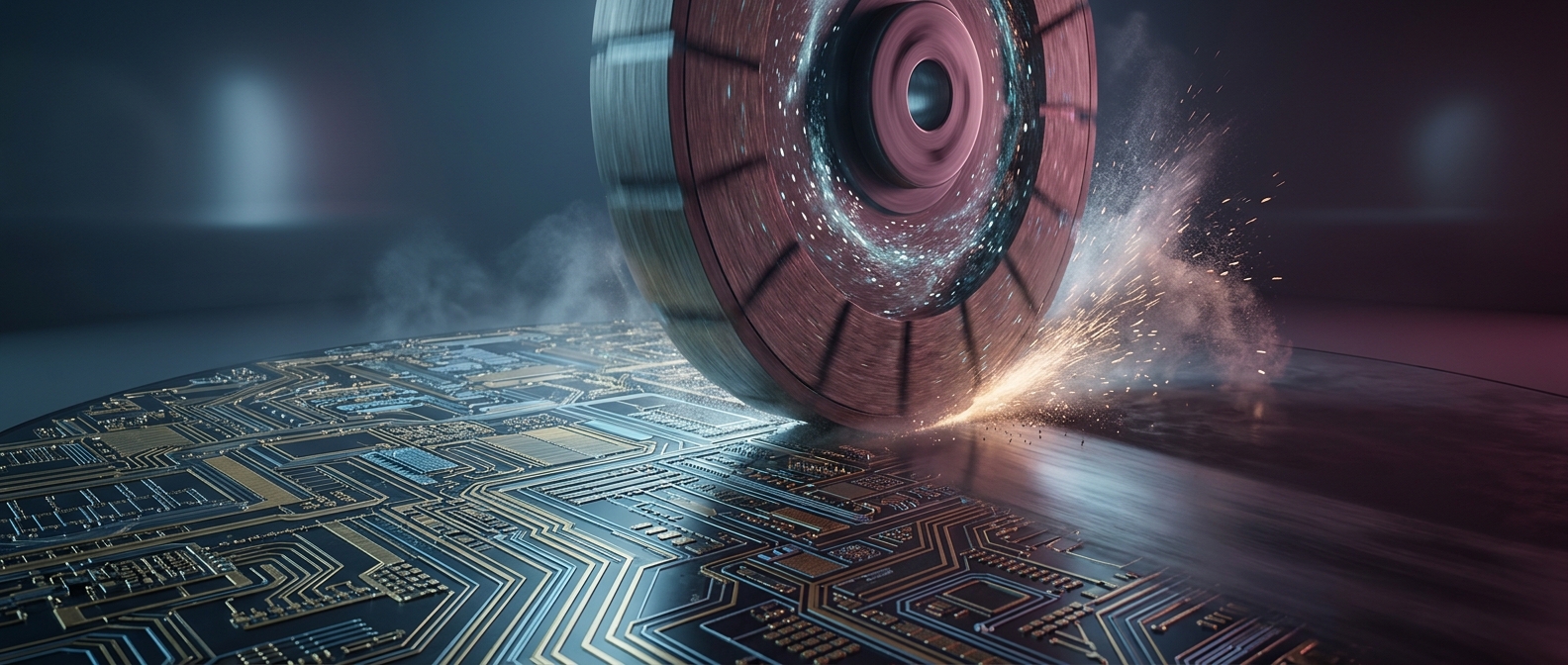
How chipmakers polish silicon perfectly flat
For an industry obsessed with microscopic perfection, chipmakers rely heavily on dragging silicon across an abrasive microscopic slip 'n slide. Between adding…
Discover more
Zero-day exploits are stockpiled by secretive governments
Rather than warning companies about massive security holes, intelligence agencies quietly hoard them for a rainy day. These unpatched vulnerabilities are…
Discover more
Rotating propeller blades maintain peak flight efficiency
A fixed propeller blade is essentially a wing spinning in a circle, and just like a wing, its angle matters. If you fly faster, a static blade loses its bite…
Discover more
When a computer beat every person for Time's top honor
Humanity peaked in 1982 when Time magazine looked at all of our global achievements and gave the award to a beige box. By naming the PC 'Machine of the Year'…
Discover more