A square made every photo fit the same frame
A square image has an aspect ratio of 1:1: its width and height are equal. That simple rule gave Instagram a consistent frame for photos, whether they were taken vertically or horizontally. Without a square constraint, users might have had to choose how to crop each picture before sharing it; with one, every post followed the same basic shape.
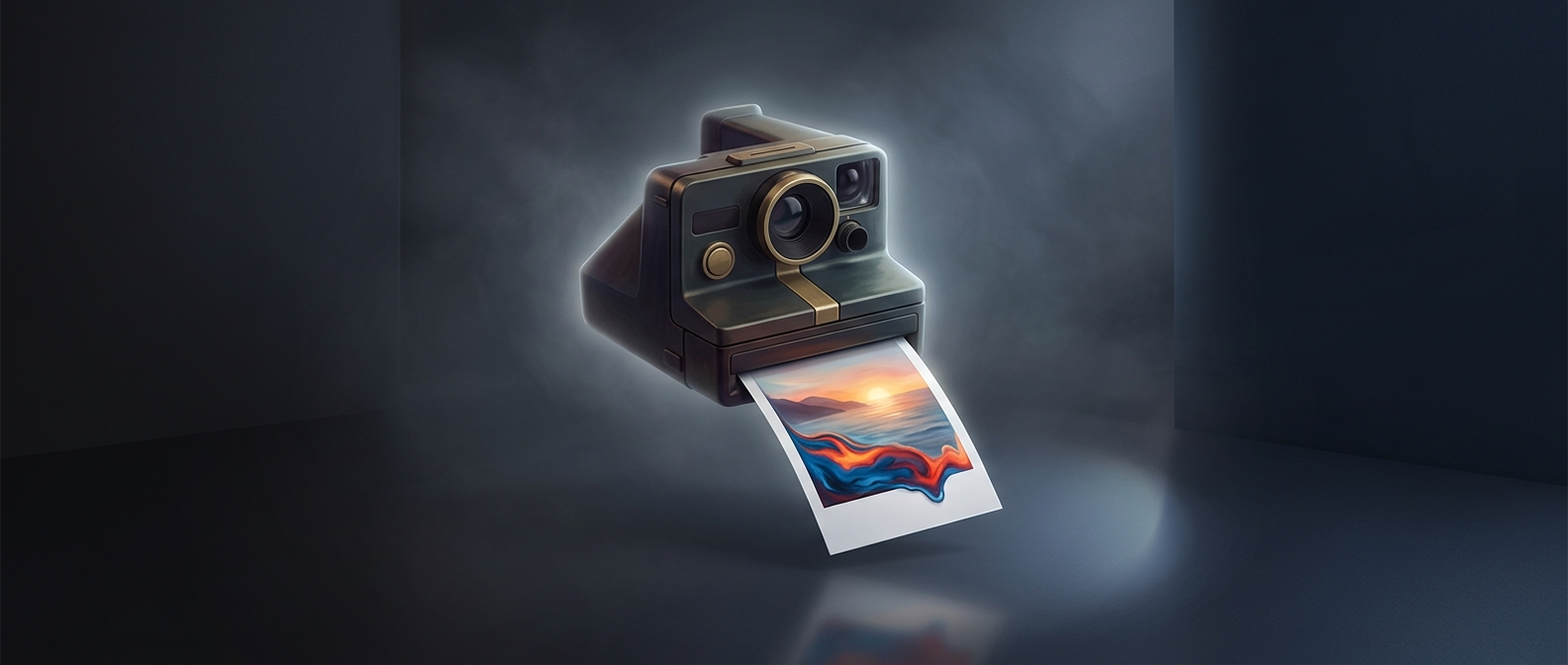
The format also suited the app’s early visual style, which drew on the look of instant-camera photography. But it had a practical effect beyond nostalgia: a feed of uniform squares was easy to scan, because one unusually tall or wide image could not interrupt the rhythm of the page.
What the frame cost photographers
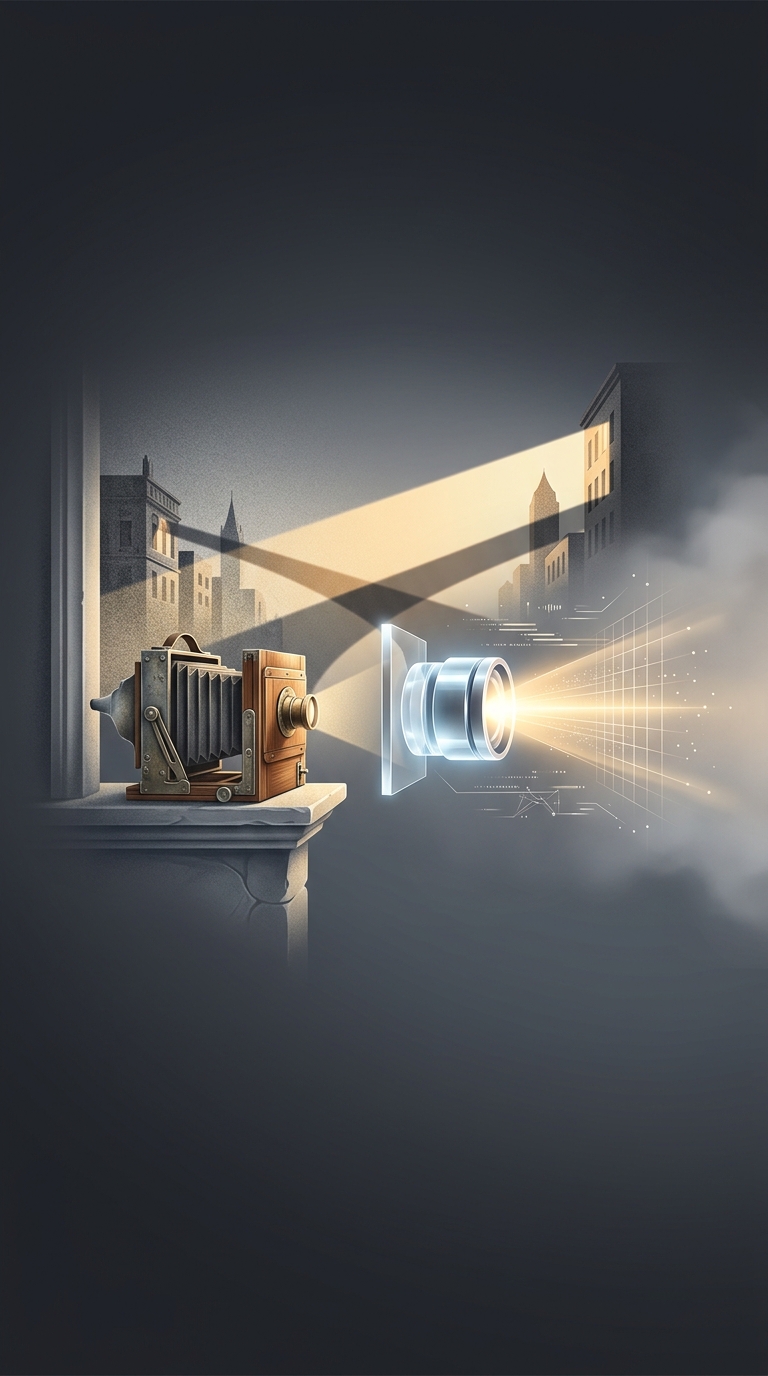
The consistency came with a tradeoff. A portrait-oriented shot could lose space above or below its subject, while a landscape photo might lose important details at the sides. Users could work around that by changing the composition or using an editing tool, but the square frame still imposed a limit on what the app could show.
As people used phones to take more varied pictures, that limit became more noticeable. Allowing other shapes meant a photo could keep more of its original composition instead of being forced into a square. Instagram’s 2015 change loosened the frame while preserving the square as an option—a small interface decision that changed what users could share without cropping first.