How instant film builds a picture inside the print
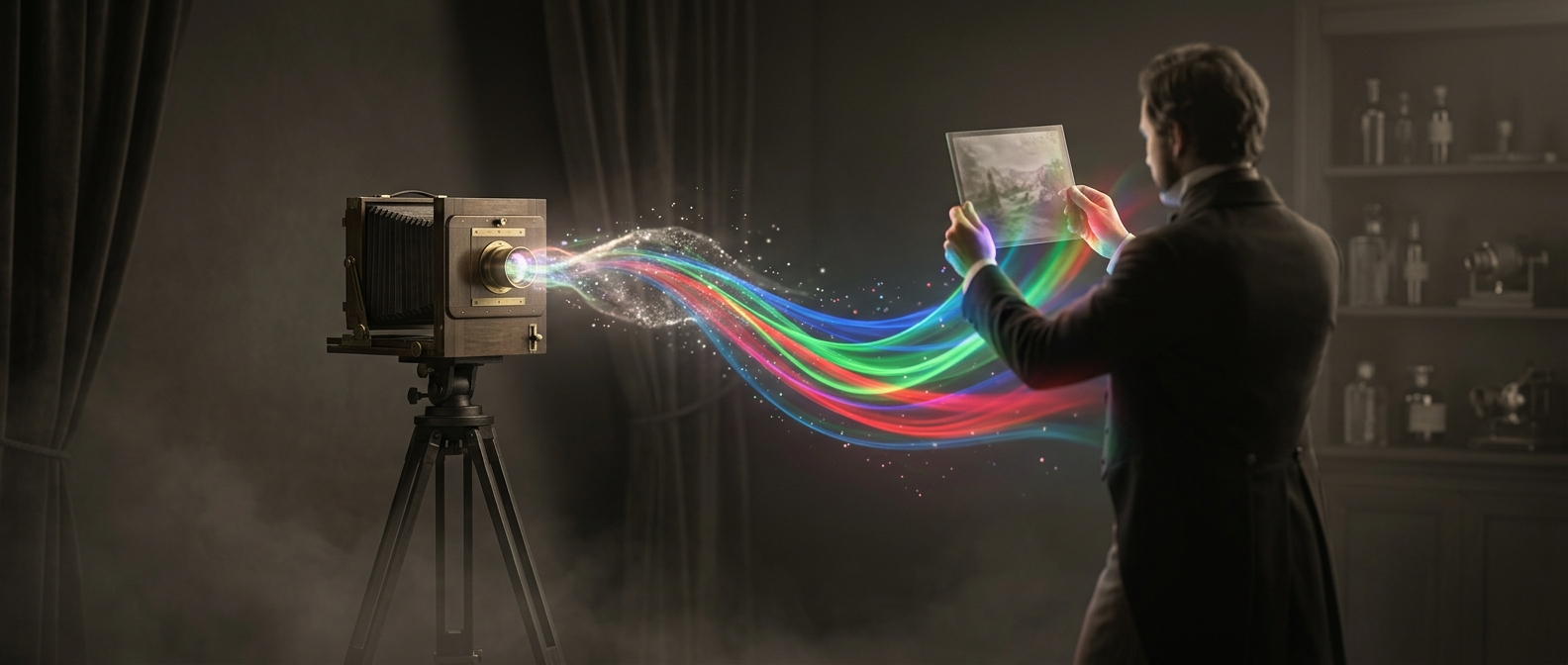
In many instant cameras, the photograph is not simply printed after the camera takes it. The light-sensitive film sheet contains the materials needed to form the image. When the camera ejects the sheet, rollers squeeze a small pod of chemical reagent and spread it across the film in a thin layer.
That reagent starts a sequence of reactions in the film’s stacked layers. In color film, light-sensitive layers respond to different parts of the spectrum; dyes then form or move into an image-receiving layer. The visible picture emerges as the chemistry proceeds. Different instant-film systems use different arrangements, but the key idea is the same: exposure and image-making happen within the film itself.
Why the picture could still disappoint
The chemistry can develop only the scene the camera captured. It cannot sharpen a subject that was out of focus or bring a cut-off face back into the frame. Many simple cameras offer limited focus control, so a subject too near or far may look soft. Dim light can also require a longer exposure, making movement more likely to blur.
Framing has its own trap. In cameras where the viewfinder is offset from the taking lens, the two see the scene from slightly different positions. At close range, that difference—called parallax—can shift a subject away from where it appeared in the finder. A quick snapshot therefore involved two separate uncertainties: what the camera recorded, and how the film chemistry rendered it. The print began developing as it came out, but the moment itself was already fixed.