Why the film itself could become fuel
Early motion-picture film was made from nitrocellulose: cellulose, the material in plant fibers, chemically treated with nitrogen-rich compounds. The treatment made a tough, flexible base, but also left it dangerously easy to ignite. Once burning, nitrocellulose can burn rapidly and intensely; it does not behave like an ordinary strip of paper that simply smolders.
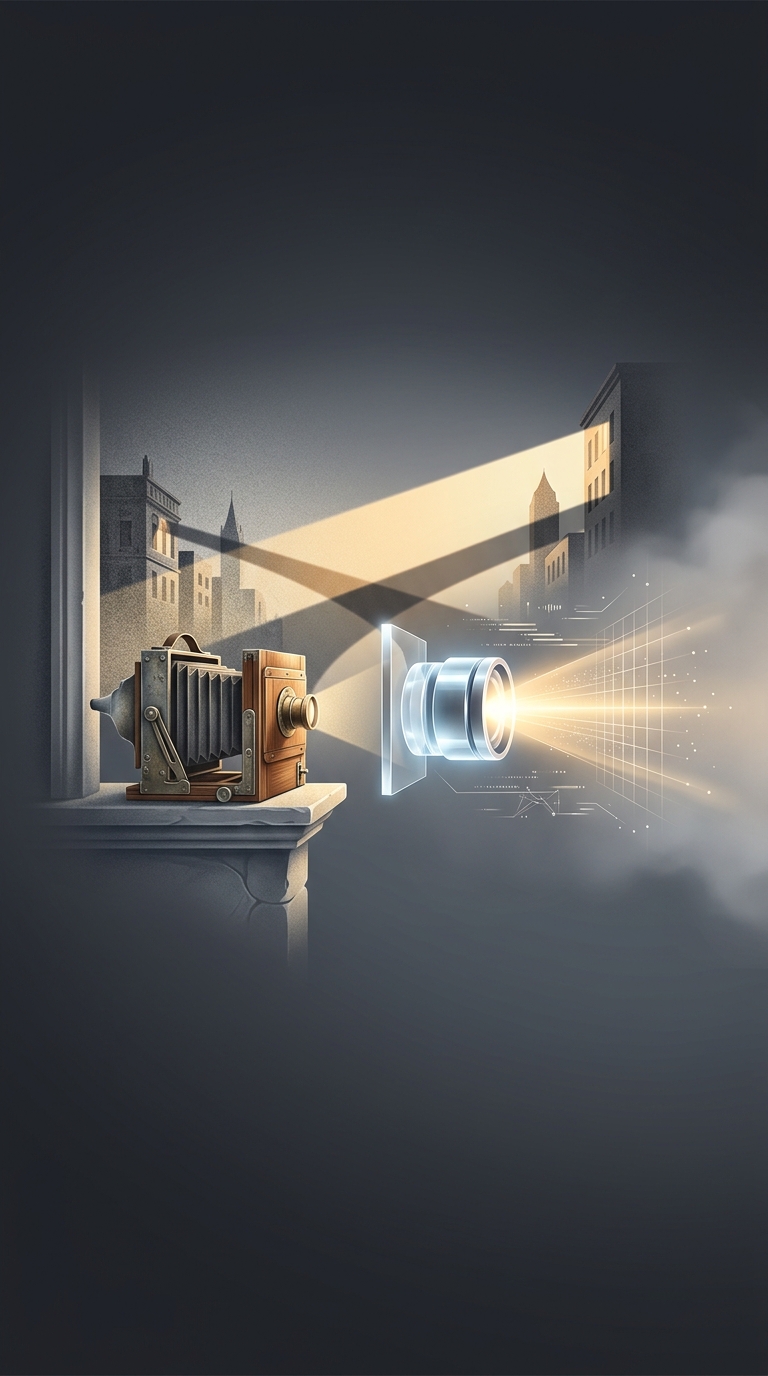
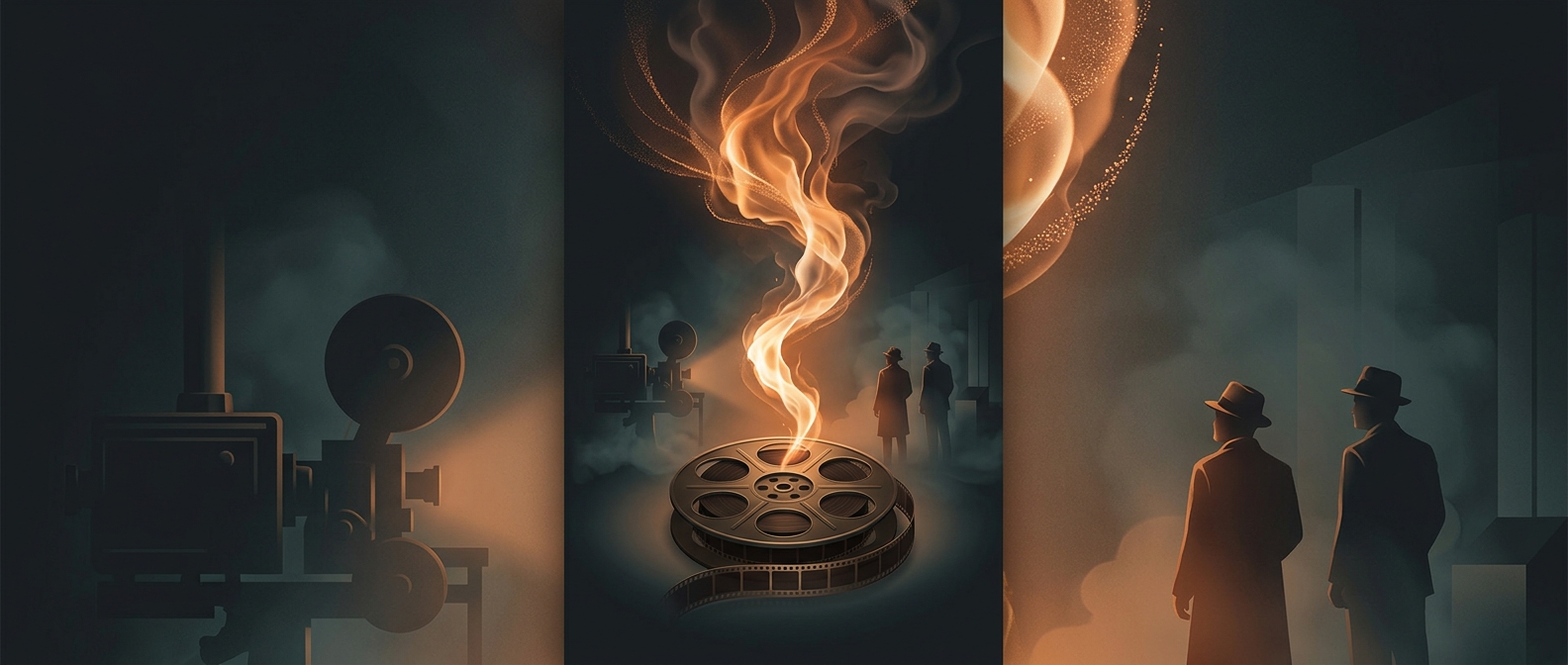
That meant a projector contained both a strong source of heat and a long trail of combustible material. The lamp’s light had to pass through each frame, while the film advanced in short steps through the projector’s gate. If the film stopped or the heat became intense enough, the section in the gate could catch fire. Because the frames were joined in one continuous strip, flames could reach nearby film and spread beyond the point where they started.
A fire inside a machine
The danger was not limited to the screen or projection booth. A burning strip could damage the projector and ignite film stored nearby. Nitrocellulose could also continue burning fiercely, making a small ignition difficult to treat like an ordinary electrical or paper fire. The combination of concentrated heat, moving machinery, and highly flammable stock made projection a genuine fire hazard.
The material’s image quality and flexibility helped make it useful for movies, but its chemistry imposed a cost: every reel brought combustible material into a room built around a powerful lamp. Later film bases made from less flammable plastics reduced that particular risk. The striking consequence is that early movie theaters were not merely showing pictures made of light; they were handling a medium that could turn the projector itself into the source of a fire.