A name built for a browser fight
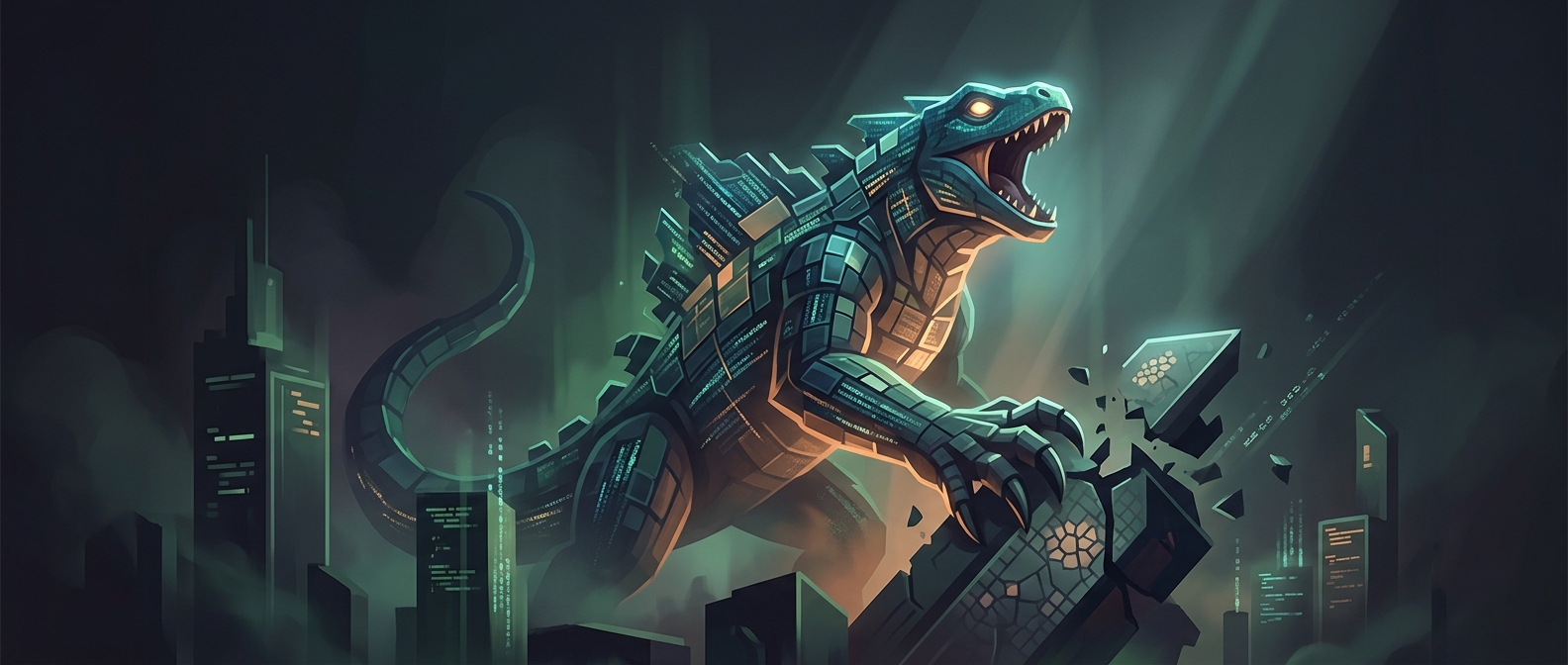
When Netscape’s engineers named their project Mozilla, they were making a boast as well as choosing a label. The name joined “Mosaic,” the browser they hoped to surpass, with “Godzilla,” the giant monster from Japanese films. A cartoon lizard mascot made the joke visible: this was supposed to be the creature that would take down Mosaic.
That ambition reflected how much the early web depended on browsers. A browser was the software that turned web documents and links into something people could navigate, so becoming the tool users reached for first could make a company a central gateway to the growing internet. Challenging Mosaic meant competing for that role, not merely offering a different name or appearance.
The challenger became the one to beat
Netscape did overtake Mosaic, but the victory did not make its position permanent. Microsoft’s Internet Explorer later displaced Netscape in turn. The same contest that had inspired the “Mosaic killer” nickname kept going: browser makers had to persuade users to switch, while rivals competed to make their own browser the default way into the web.
The name’s history captures that shifting balance. “Mozilla” began as a playful declaration that a challenger would topple the leader; the browser landscape soon showed that even the victor could become the next target.