Why a Game Can Be Played One Frame at a Time
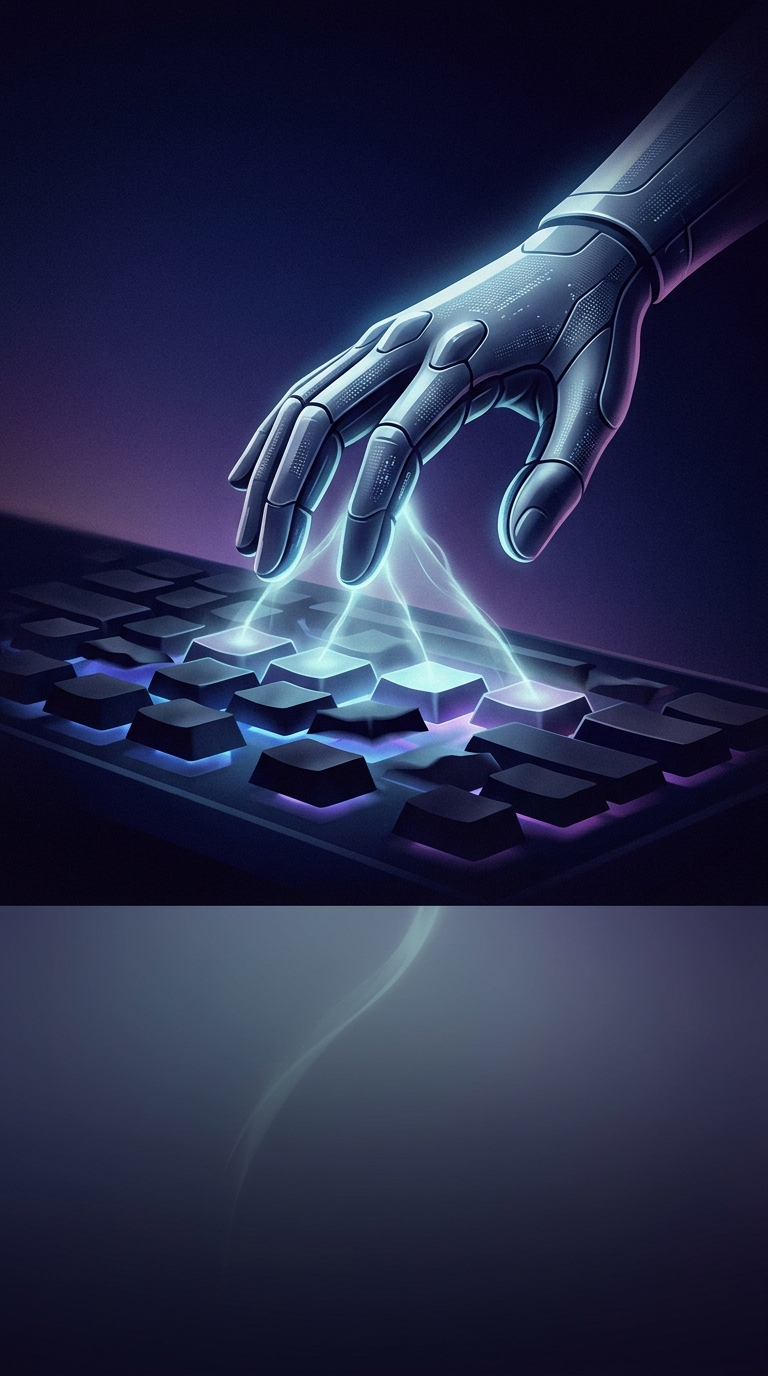
A game does not usually respond to a continuous stream of movement. It checks the controller at set moments called frames, then updates the player and the world. A tool-assisted speedrun takes advantage of that structure: its creator can specify which buttons are held on each frame, rather than trying to press them at just the right instant by hand.
That precision matters when a jump, turn, or attack depends on a narrow timing window. A one-frame change can alter where a character lands or whether an action succeeds. A sequence that would be extraordinarily difficult to reproduce consistently in real time can be tested and refined until the game follows the desired path.
Building a Run Through Repeated Tests
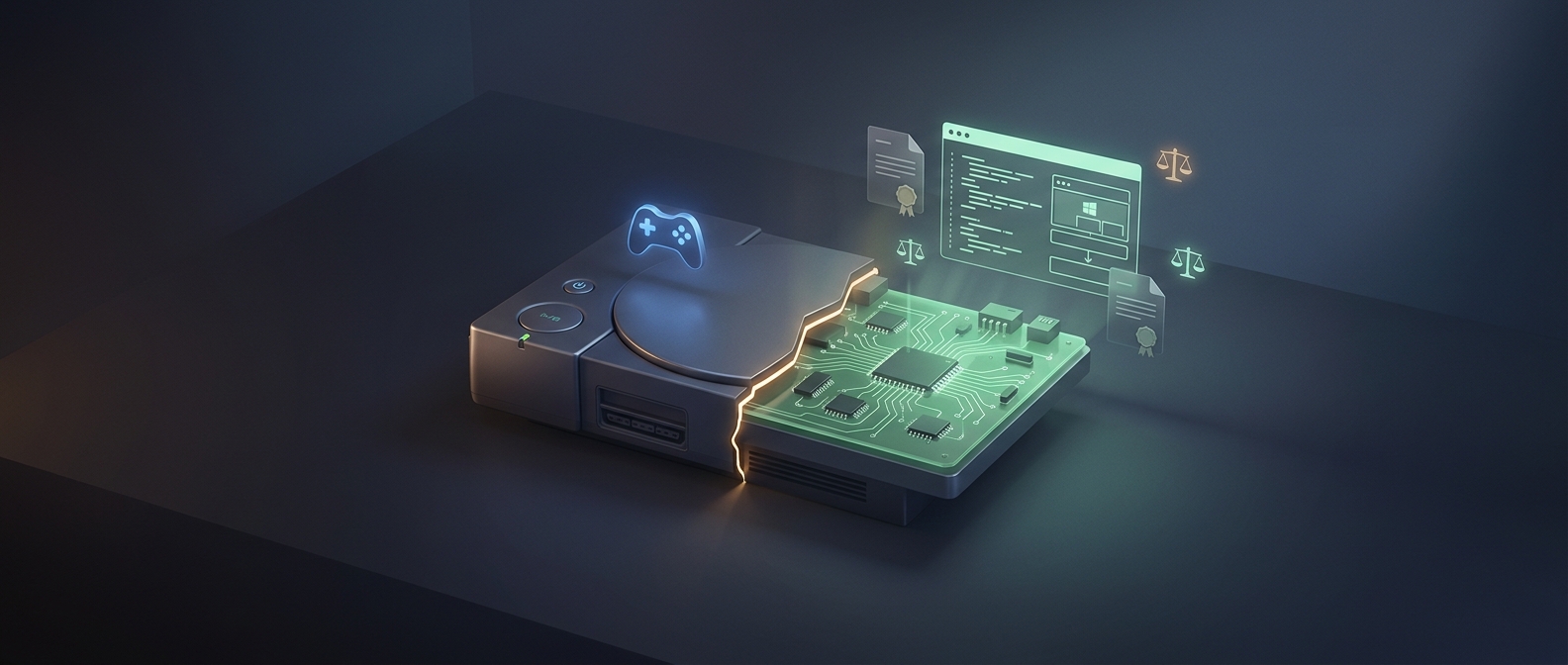
The runner typically works in an emulator—a program that reproduces a game’s original hardware behavior. They record inputs, play the sequence, and examine the result. If a move misses or costs time, they can revise the inputs and try again. Many tool-assisted workflows also use save states, which let the creator return to an earlier point without replaying everything before it.
This turns a run into a search through possibilities. The creator may adjust a single input, compare what happens, and keep the version that advances the character more efficiently. The challenge is not merely entering buttons precisely: the sequence still has to work within the game’s rules and reach the finish.
Precision, Not Human Reflexes
A tool-assisted run demonstrates what a game can do under exact, reproducible inputs. It is not the same as a person executing those inputs live. That distinction is the point: by separating the game’s limits from the limits of human timing, speedrunners can reveal routes and interactions that ordinary play might never expose.