Why a Loot Box Can Feel Like a Bet
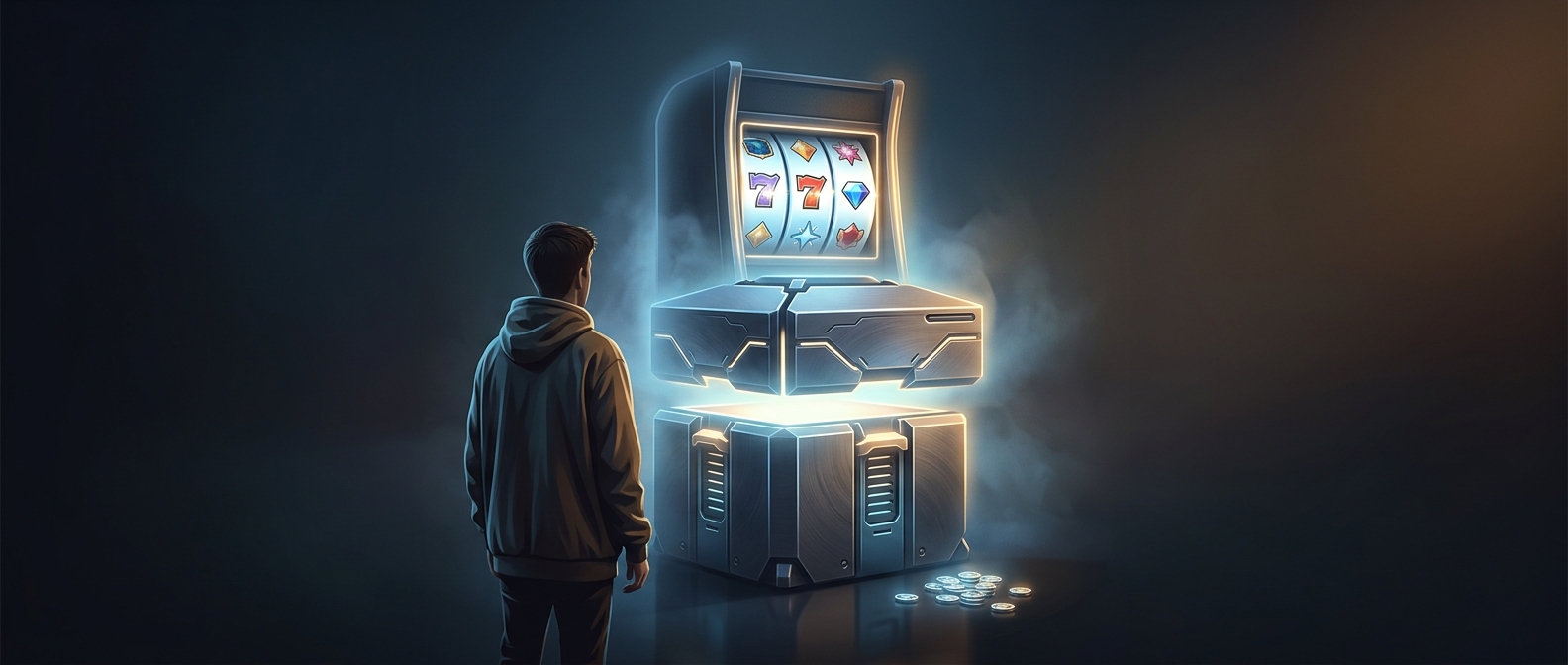
A loot box turns a purchase into a chance: the player pays for an opening, but the game decides which item appears. The result might be a common reward or a rare one, and the buyer usually cannot choose between them in advance. That gap between paying and knowing is what makes the transaction resemble gambling—not merely the presence of a prize.
The Pull of an Uncertain Reward
An unpredictable reward can keep attention fixed on the next attempt. A player may open several boxes without getting the item they want, then receive something valuable or exciting unexpectedly. Because the reward arrives irregularly, each opening can feel as if it might be the lucky one. This pattern is often called variable reinforcement: behavior is rewarded inconsistently, which can make repeating it compelling.
The surrounding design can intensify that feeling. A bright reveal animation, a countdown, or a limited-time offer may make an opening feel urgent or dramatic. These features do not change the odds, but they can shape how eagerly a player decides to try again.
What the Comparison Does—and Doesn’t—Mean
Loot boxes are not all structured alike. Some are bought with real money, some with currency earned through play, and some offer ways to obtain a desired item directly. A digital item may also have no cash resale value, unlike a conventional gambling payout. Those differences matter, but they do not erase the shared feature: paying or spending value for an uncertain outcome.
That is why the design raises a practical question for players and families: Are you buying a specific item, or paying for another chance at it? When the answer is the latter, the total cost can be hard to predict before the desired reward appears.