A small screen built a daily bond
The Tamagotchi’s emotional pull came from making care feel immediate. Its tiny screen showed a creature that needed feeding, cleaning, and attention; alerts could interrupt the owner’s day, turning a keychain into a recurring responsibility. The graphics were simple, but the routine invited people to treat the creature less like a picture and more like a dependent pet.
That distinction matters. Attachment does not require an animal to be physically present. Repeated acts of care can make a digital character feel familiar, while its apparent dependence gives those acts a purpose. When the creature died, the loss could feel real even though the pet had existed only in the device.
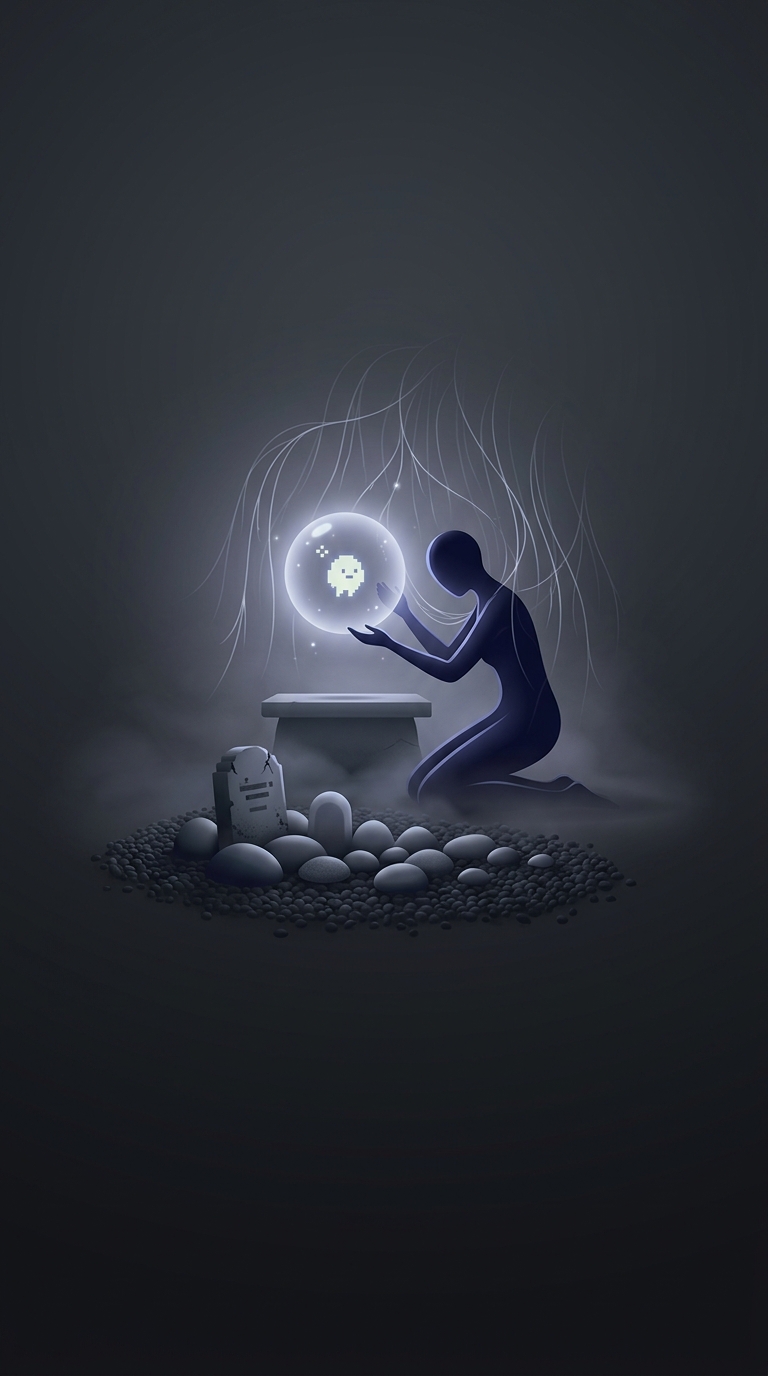
Why owners held funerals
Some owners sought mourning services, and pet cemeteries in parts of Europe and Asia offered burials for the devices. Such rituals gave people a way to mark an ending that might otherwise seem too small—or too unusual—to explain to others. A ceremony could acknowledge the time and care invested, not just the object itself.
The Tamagotchi did not create a biological pet or a nationwide clinical crisis. It did reveal how quickly ordinary routines can produce attachment to a responsive character. The keychain’s most surprising feature was not its screen, but the way a few beeps and repeated chores could make its eventual silence feel like a loss.