Why a machine became the story of the year
Time’s choice reflected a change in where computing happened. For years, powerful computers were associated with institutions: specialists operated them, and most people encountered computing indirectly. Personal computers put a programmable machine within reach of individuals and small businesses. The important shift was not simply smaller hardware; it was that more people could use computing directly, for work, learning, and play.
From instructions to new kinds of work
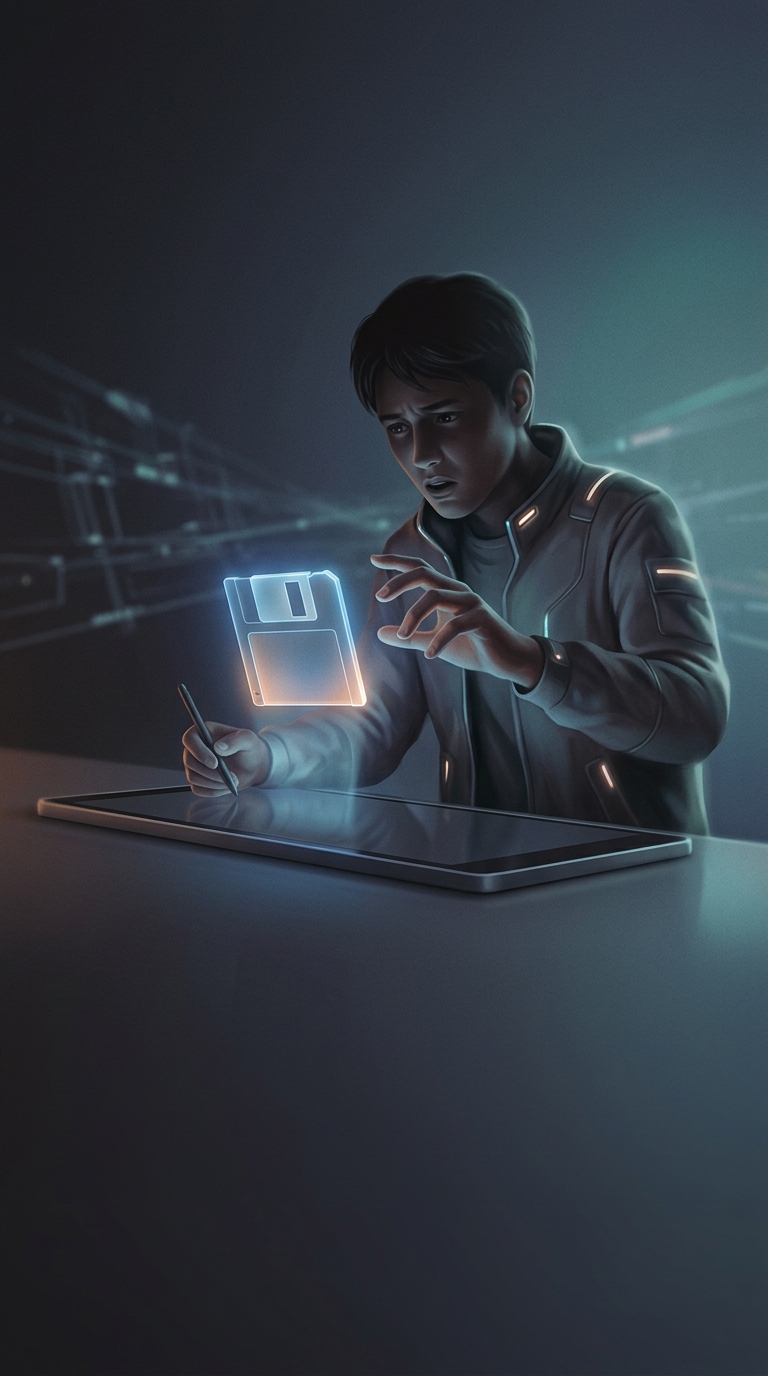
A computer follows instructions, applying them consistently to information it can store and process. That makes it useful for tasks that involve searching possibilities or repeatedly adjusting complex material. In chess, a program can examine possible moves; in graphic design, software lets a person create and revise images on screen. The machine supplies speed and repeatability, while people still set goals, choose what matters, and judge the result.
Those examples also show why the change reached beyond offices. A personal computer could be adapted to different tasks by changing its software, rather than being built for only one purpose. Its growing presence raised practical questions about who would learn to use it, what work it might change, and how much control users would have over the tools they relied on.
A recognition of a wider transformation
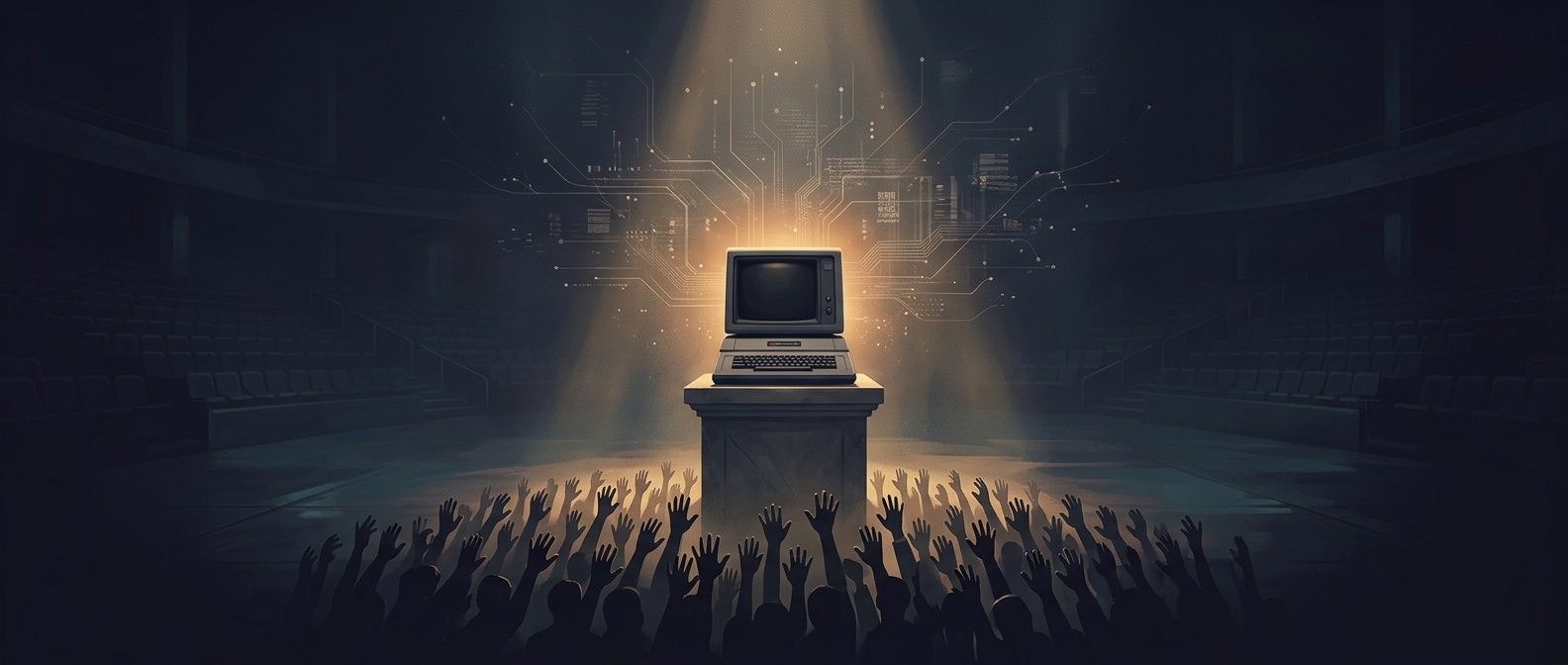
Calling the computer the year’s leading figure was a way to mark a technology whose influence was spreading across many parts of life—not a claim that machines had replaced human judgment. The memorable implication was that a device once kept behind institutional doors was becoming something a person could sit down and direct.