Why the spacebar needs support at its ends
A spacebar is much wider than an ordinary key, so the switch beneath its center cannot keep the whole keycap from tilting when you press near a corner. Without extra support, one end could dip while the other catches or rises, making the key feel uneven.
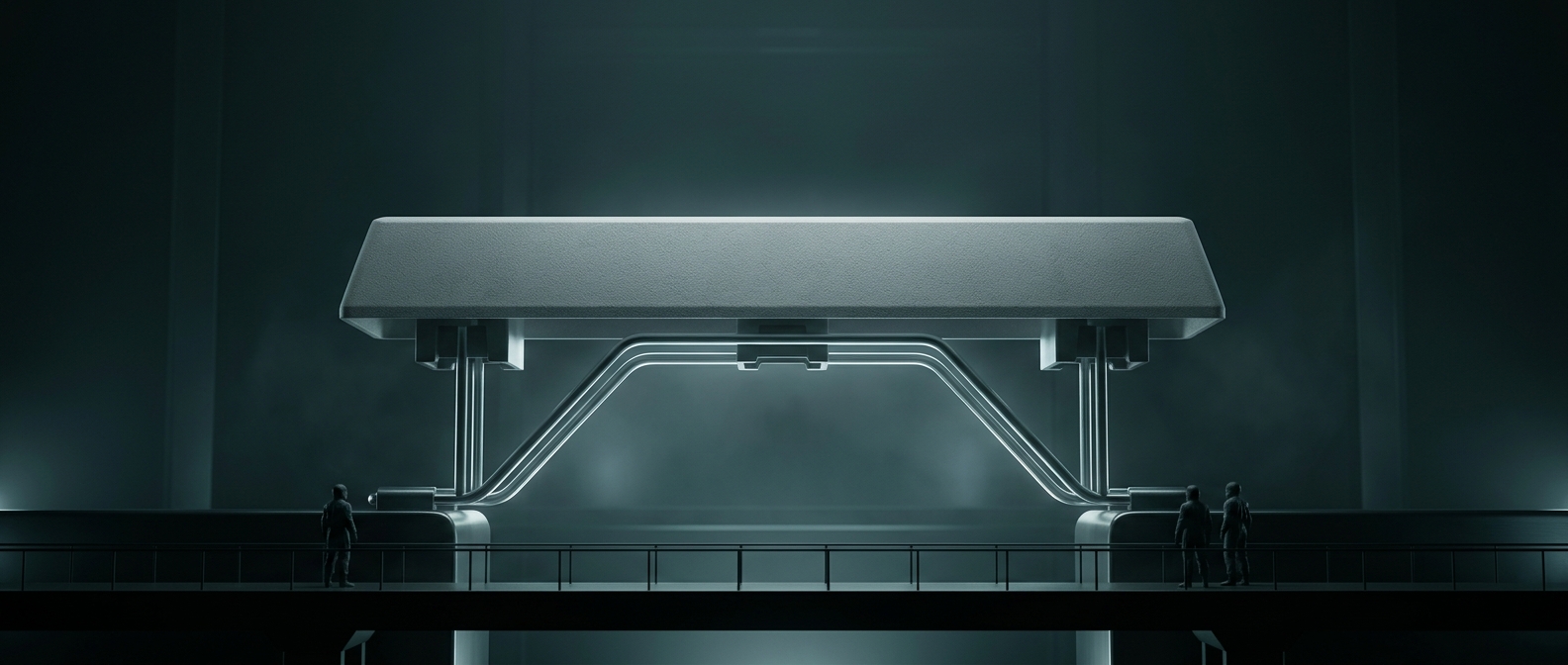
Inside the keyboard, a wire stabilizer connects small moving supports near the spacebar’s ends. The keycap attaches to those supports as well as to the central switch. When you press off-center, the wire transfers some of that movement across the key, helping both ends travel together. It does not lock the bar in place; it lets the spacebar move down and spring back while limiting side-to-side tilt.
The tradeoff behind a smoother press
A stabilizer has to move freely enough not to make the key sluggish, but its parts can also shift or vibrate. That movement is one reason a spacebar may sound rattlier than nearby keys. Keyboard makers and enthusiasts can adjust how the stabilizer is mounted or lubricated to reduce unwanted noise, though too much resistance can make the key feel sticky.
The result is a small piece of mechanical coordination: a press at the far edge can still register as a clean, straight stroke at the switch beneath the middle.